A Quick Tour of the History of Sunpu (Shizuoka City)
Formerly known as the provincial capital of Suruga Province, and commonly referred to as “Sunpu,” Shizuoka City is where the Imagawa culture flourished and where Tokugawa Ieyasu governed as the “Great Elder.” Here, we introduce the history and charm of this city.
A Quick Tour of Sunpu
- Sunpu Castle Park Yagura Gate
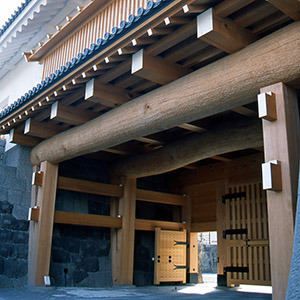
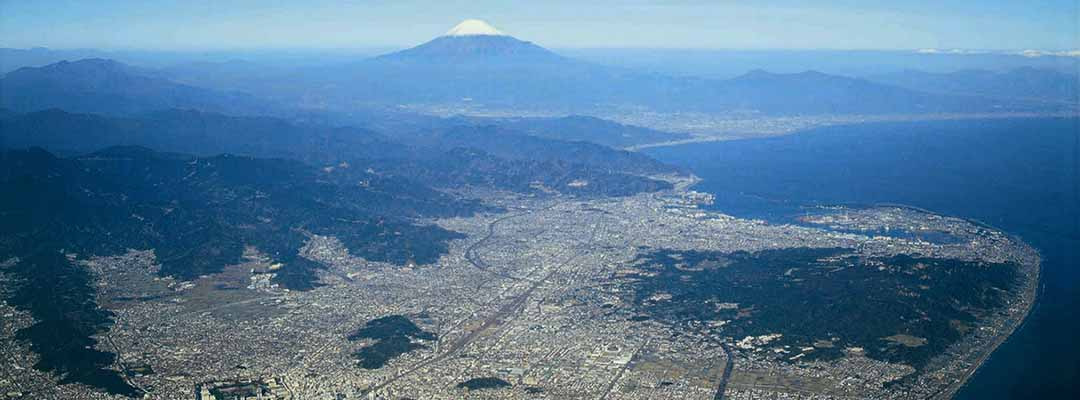
For approximately 1,200 years, until it was renamed “Shizuoka” during the Meiji era, “Sunpu” flourished as the central city of Suruga Province. Since the Meiji era, surrounding towns and villages have been incorporated into the city. In 2003, it merged with Shimizu City—which had also developed through the incorporation of surrounding towns and villages—to form the new City of Shizuoka. Subsequently, the towns of Kamabara and Yui were incorporated, bringing the city to its current form.With an area of 1,400 square kilometers and a population of 700,000, it is a government-designated city and the capital of Shizuoka Prefecture. When people outside Shizuoka Prefecture simply say “Shizuoka,” they often mean the prefecture itself, but within the prefecture, it refers to “Shizuoka City.” Perhaps because of this confusion, the historic and prestigious “Sunpu”—Shizuoka City—seems to have been mentioned less and less since the Meiji era.
The climate is mild, with a high percentage of sunny days, gentle winds, and no snow accumulation in the plains. The city is blessed with abundant, delicious water and breathtaking views of Mount Fuji.
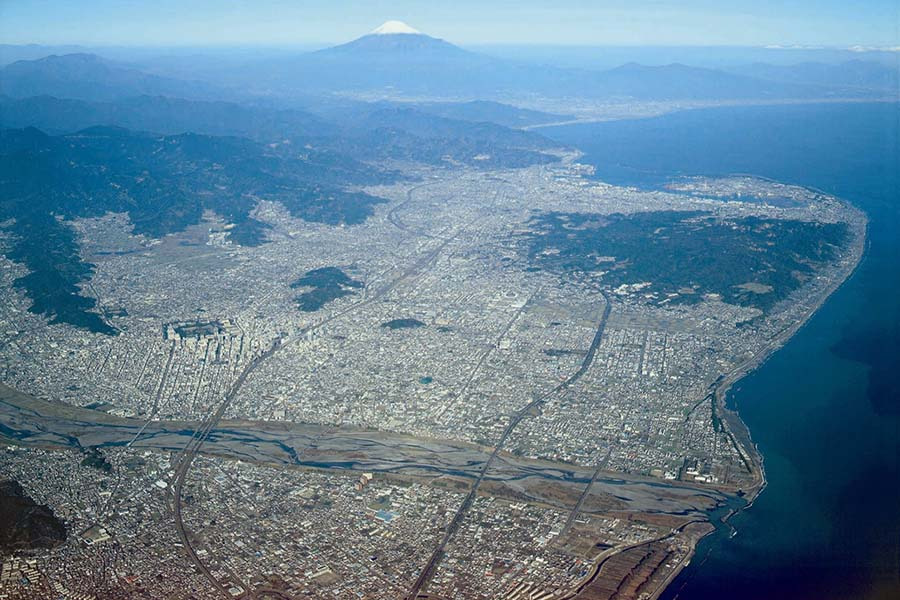
"Sunpu" is an abbreviation for "Fuchu in Suruga Province." The provincial capital was established in what is now Shizuoka City, and the area became the center of Suruga Province during the Asuka period.
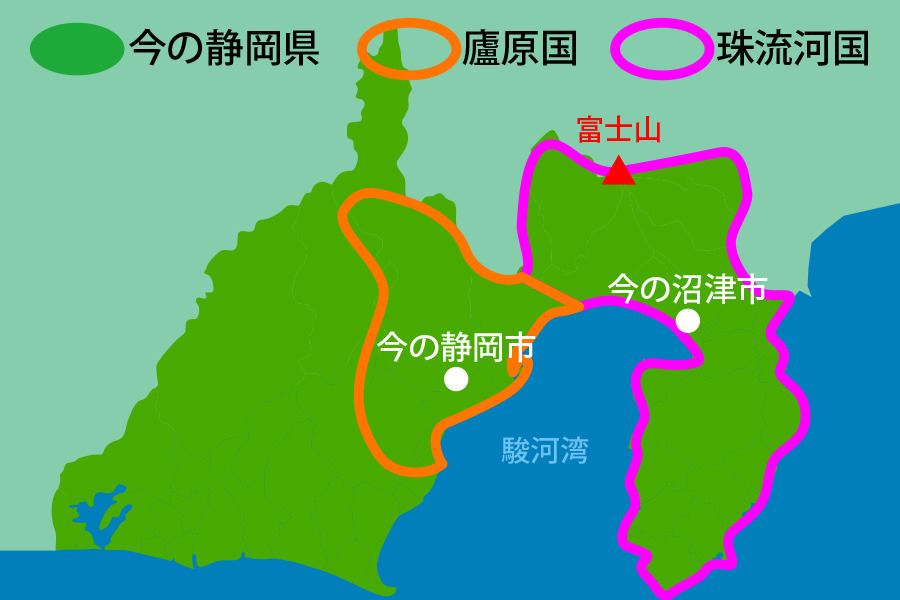
The areas that are now central and eastern Shizuoka Prefecture were once known as "Iohara Province" and "Suruga Province." At that time, what is now Shizuoka City was part of Iohara Province, while Suruga Province lay to the east of it.
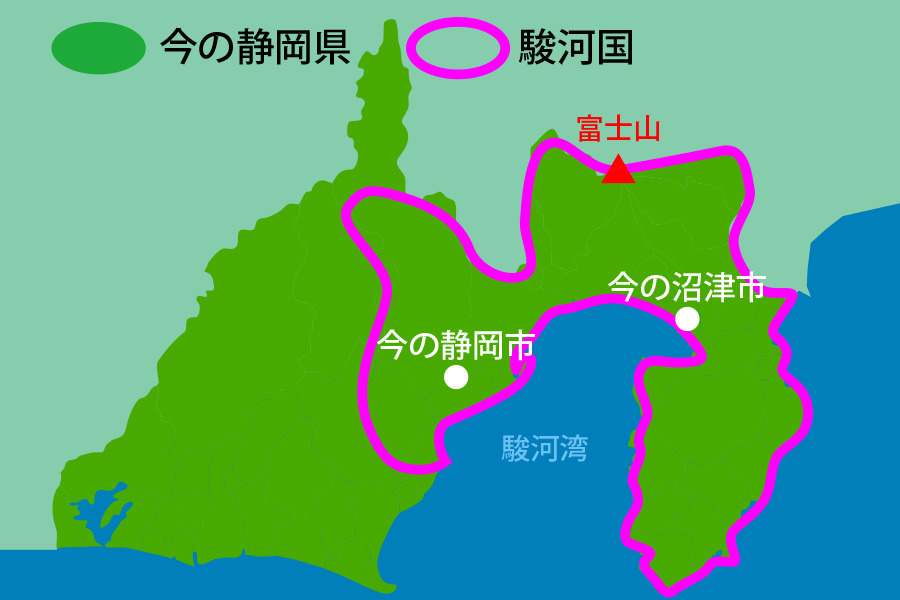
It is said that during the Asuka period, the provinces of "Tamagawa" and "Rohara" merged to form "Suruga." At that time, the provincial capital was located in what is now the area around Numazu City.
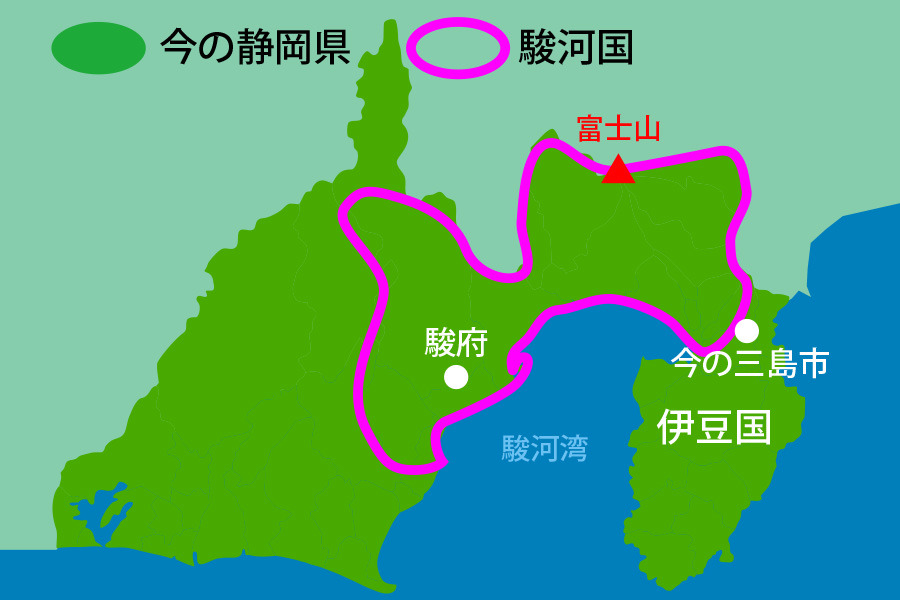
Around the year 700, the provincial capital was moved to what is now Shizuoka City, and Izu Province was divided. For nearly 1,200 years, until the "Abolition of the Han and Establishment of Prefectures" in 1871 (Meiji 4), the area that is now Shizuoka City flourished as "Sunpu."
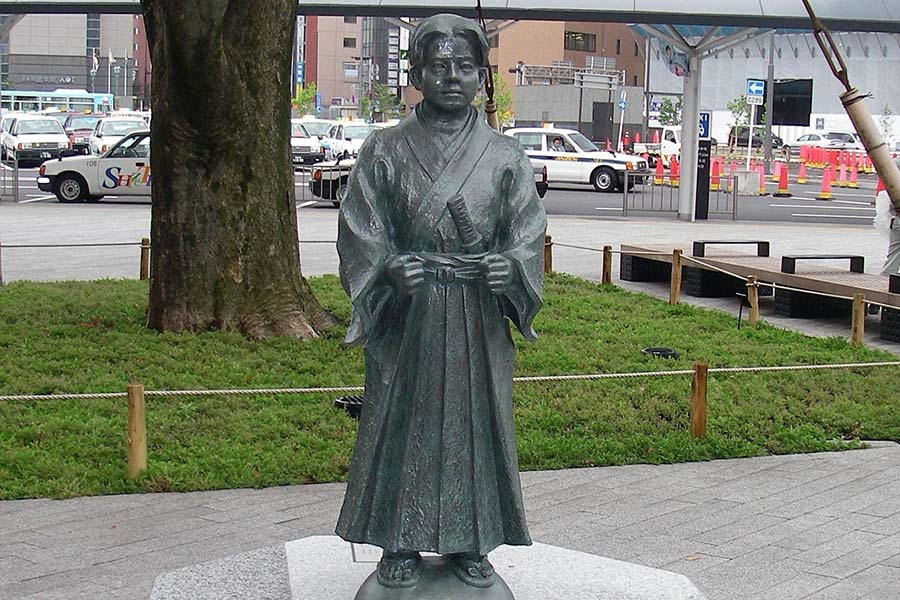
From the Muromachi period through the Warring States period, Sunpu served as the stronghold of the Imagawa clan. During the Warring States period in particular, high-ranking individuals from Kyoto moved to Sunpu, giving rise to “Imagawa culture,” one of the three major cultural movements of the era. It was during this time that Takachiyo, a member of the Matsudaira clan born at Okazaki Castle in Mikawa, spent his childhood in Sunpu as a hostage of the Imagawa clan; he would later become Tokugawa Ieyasu.The photo shows the statue of Takachiyo located at the north exit of Shizuoka Station.
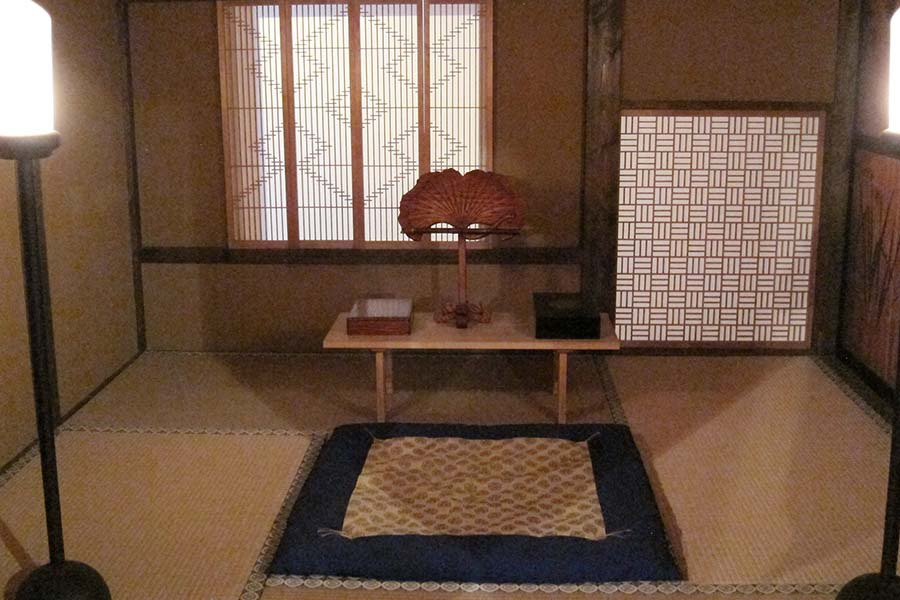
From the age of 8 to 19—what we would now call his elementary, middle, and high school years—Tokugawa Ieyasu spent his formative years in Sunpu. The photo shows the “Takuchiyo’s Study Room” (a replica located in the Tatsumi Tower of Sunpu Castle) preserved at Rinzai-ji Temple. Seiken-ji Temple in Okitsu, Shimizu Ward, also features exhibits including rooms associated with Ieyasu.
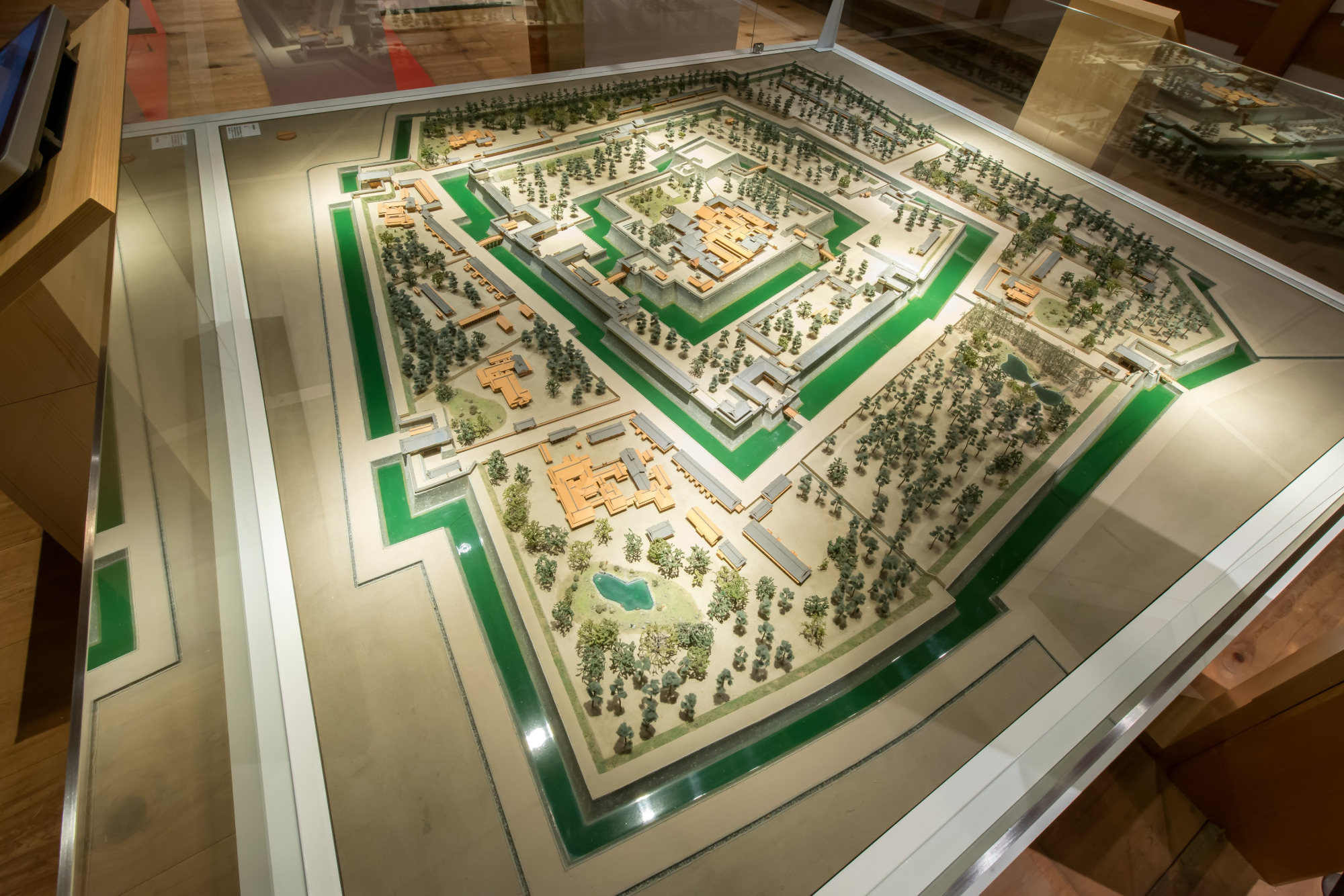
In the early Edo period, when Edo’s population was said to be 140,000, Sunpu reportedly had a population of between 100,000 and 120,000. It was a major city on par with Edo and, as the de facto capital of Japan in both political and diplomatic matters, attracted attention from around the world.
![[Souvenir Special] Souvenirs You Can Buy at Shizuoka Station](/lsc/upfile/article/0000/0205/205_1_m.jpg)