I infiltrated an ideal world from the Yayoi period.
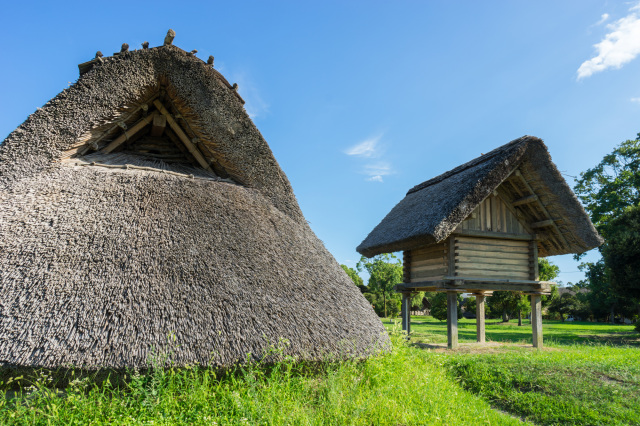
The Toro Ruins, a Special Historic Site often featured in history textbooks. Through reconstructed dwellings and hands-on fire-starting activities, we introduce daily life during the Yayoi period.
Table of Contents
Open Table of Contents
Toro Ruins
- Toro Museum
I once took a young man from the Netherlands to the Toro Ruins. I assumed he wouldn’t know what they were, so I was surprised when he said, “I know them.” He told me he had studied them at a university in the Netherlands. Since we live in the age of the internet, if you search for “Toro Ruins” in English, you’ll find plenty of information on various websites, including the English Wikipedia.I suppose this means that people all over the world are interested in what life was like for the Japanese 1,800 years ago.
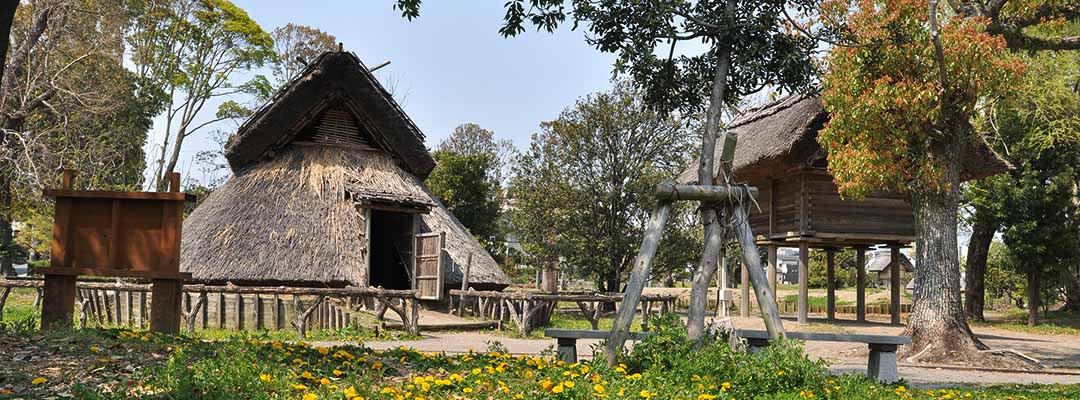
The Yayoi-period settlement recreated on the vast grounds is extremely simple, with no special gimmicks, but that is precisely what draws visitors right in. By “draws them in,” I mean, of course, making them feel as if they’ve slipped back in time to become residents of this utopia.
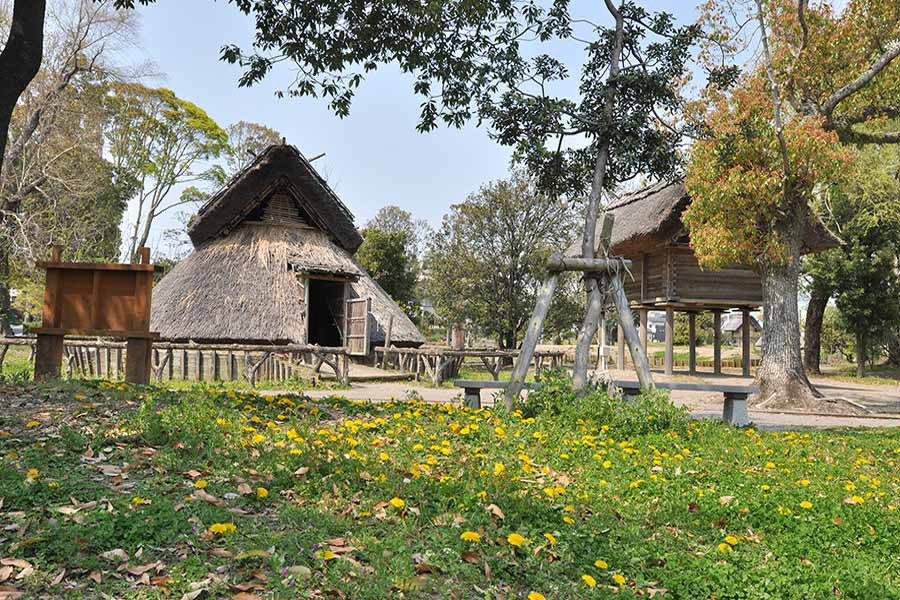
The Tōro Ruins: a utopia from the Yayoi period. A famous site that even appears in school textbooks.
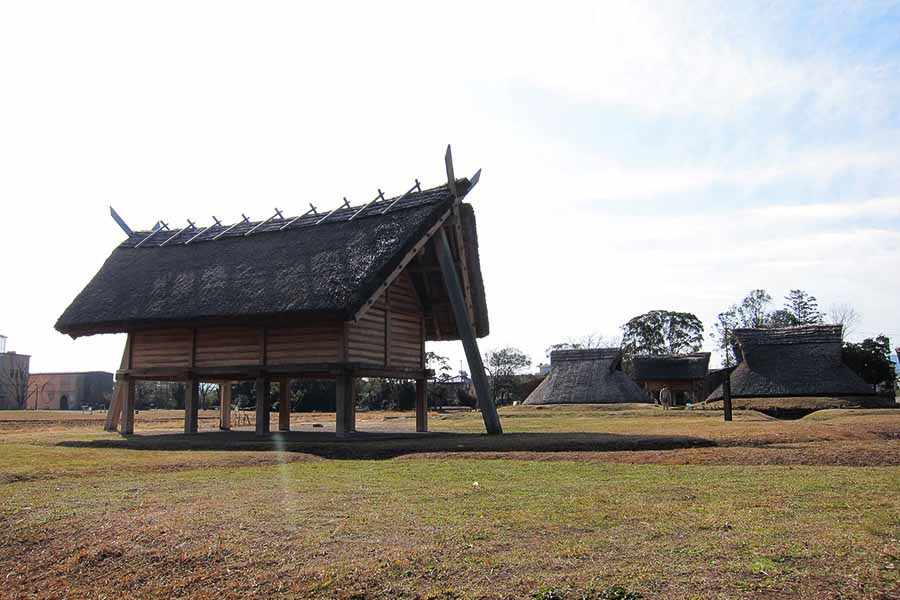
The remains of the dwelling were discovered during the war. Excavations continued thereafter, and after the war, the site was designated a National Special Historic Site. The grounds are extensive.
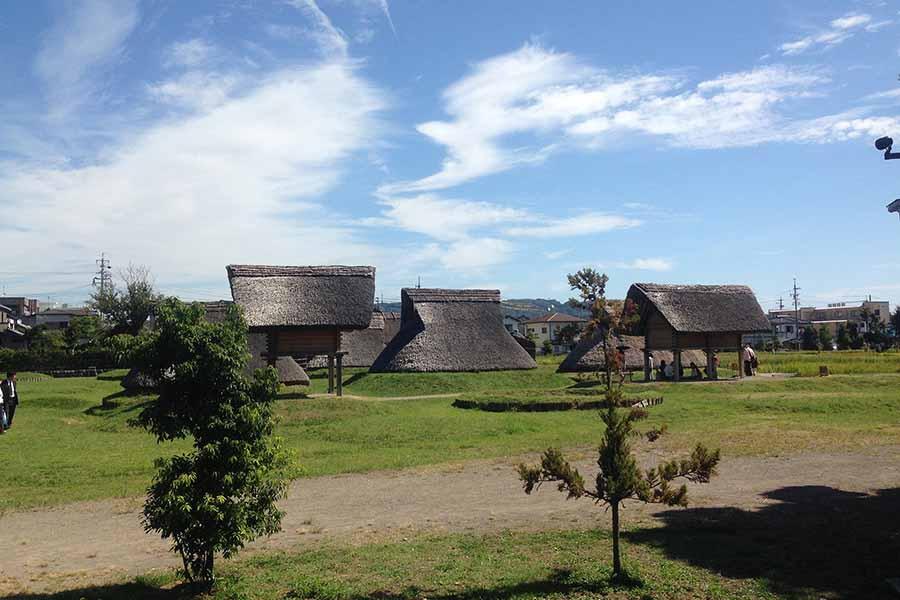
A rural landscape from the Yayoi period that feels like a journey back in time. I can’t help but imagine that this must have been a paradise.
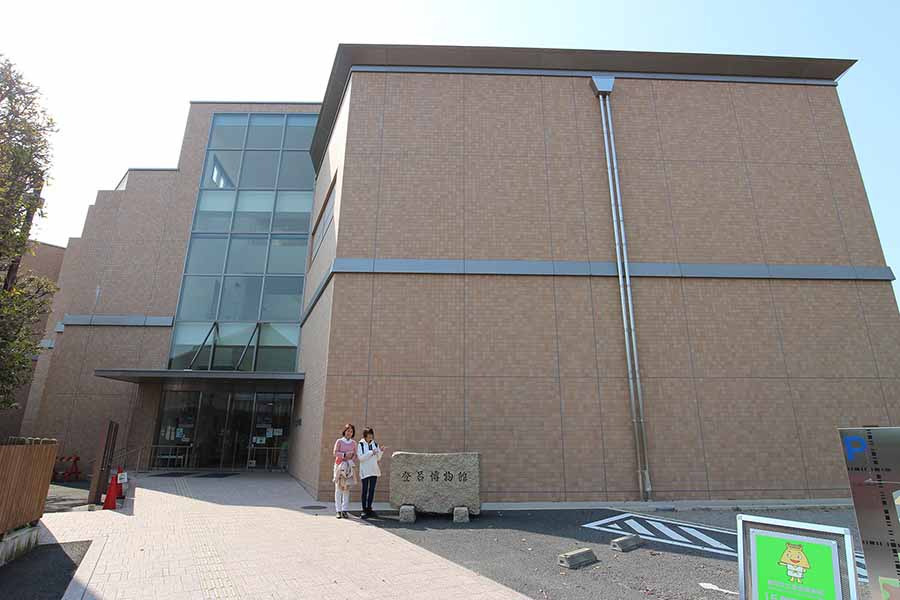
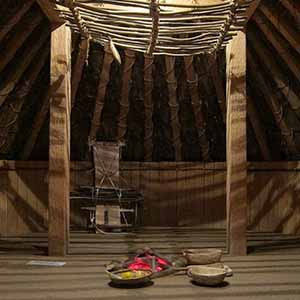
To take a trip back to life 1,800 years ago, I step inside the Toro Museum.
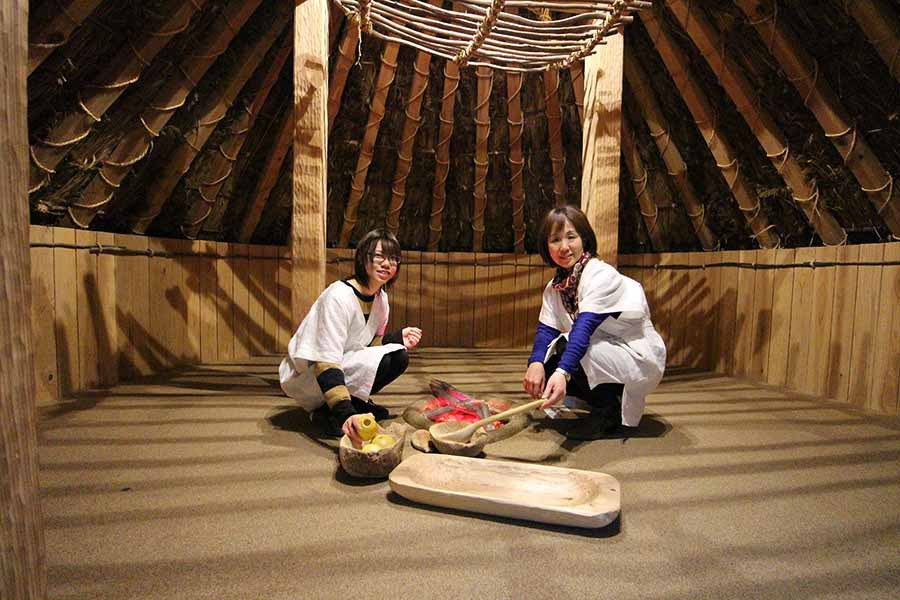
It really was a kantoi that had been prepared. They lend it to time travelers who come here for free. Of course, I borrow it and put it on.
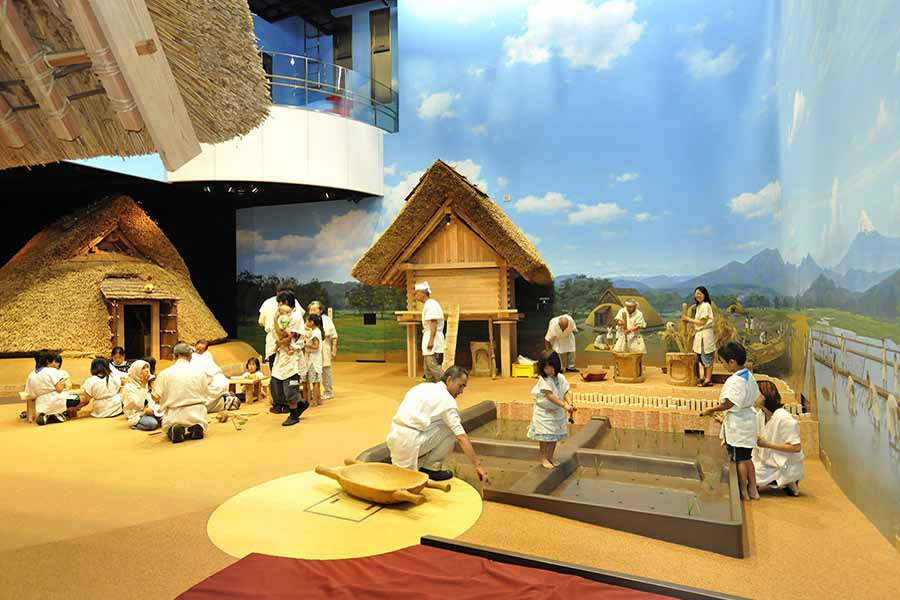
There were people who were completely on board with it. What is it that makes everyone feel that way?
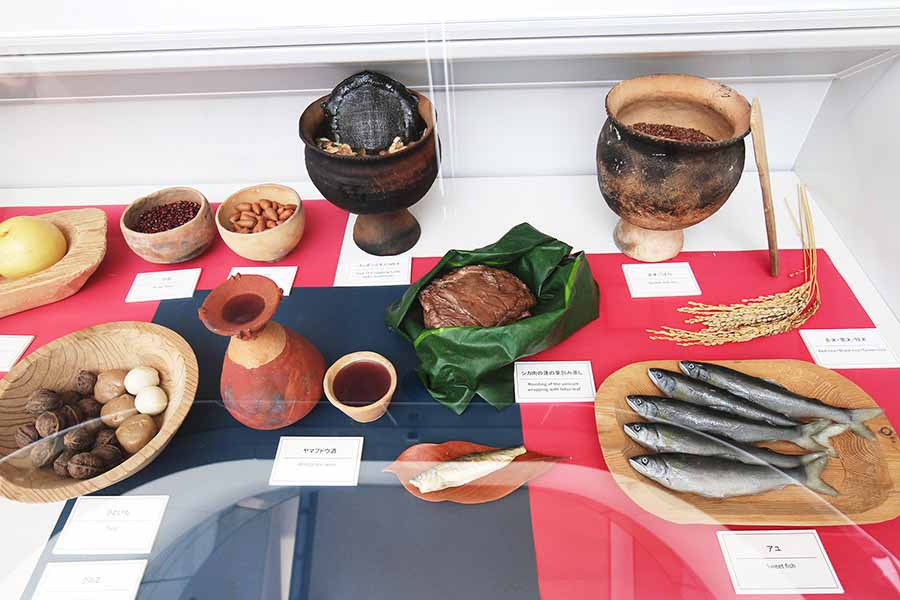
Food from 1,800 years ago. Even if someone told me this was all I could eat, I’m starting to feel like I could actually manage just fine.
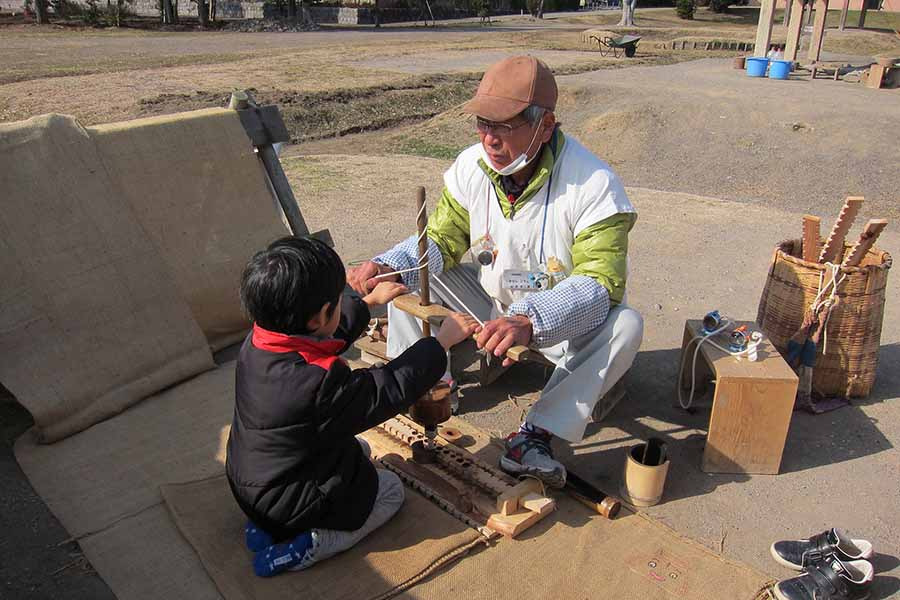
A way to start a fire without matches, a lighter, or even flint. An elderly man, a veteran of the Yayoi period, teaches me how to start a fire.
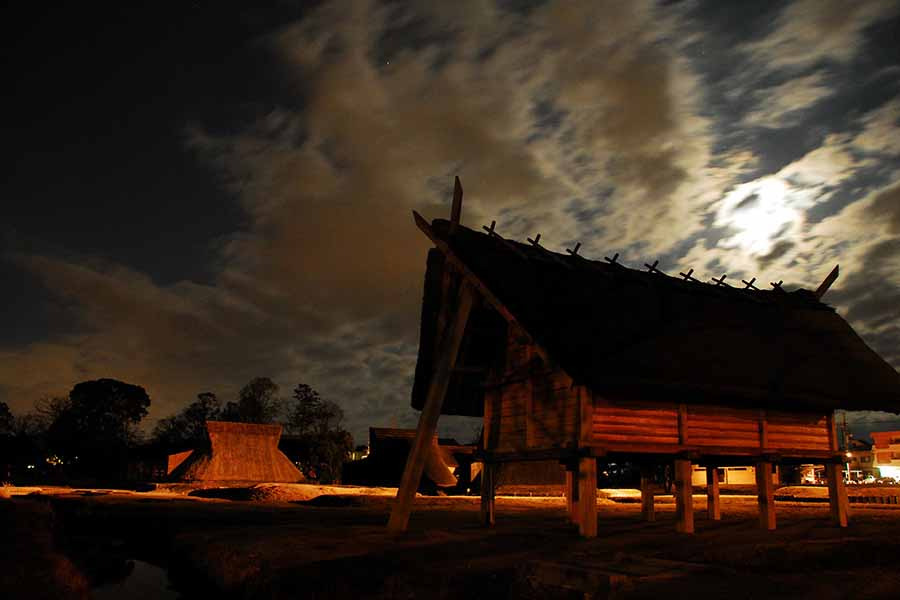
I found myself thinking, “I’d like to live there for a little while.”
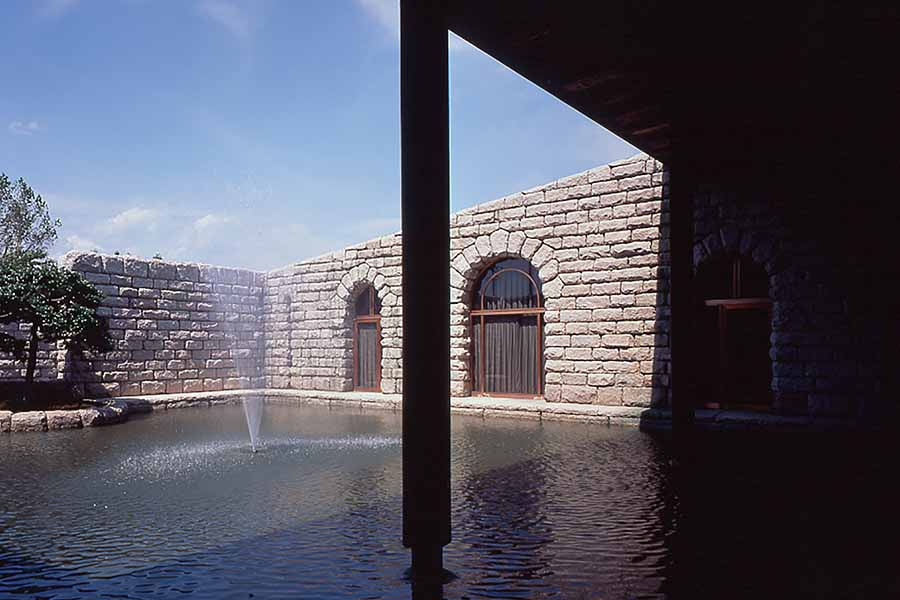
The Serizawa Keisuke Museum of Art is located next to the Toro Ruins. The building was designed by architect Seiichi Shirai. It blends beautifully into the landscape.
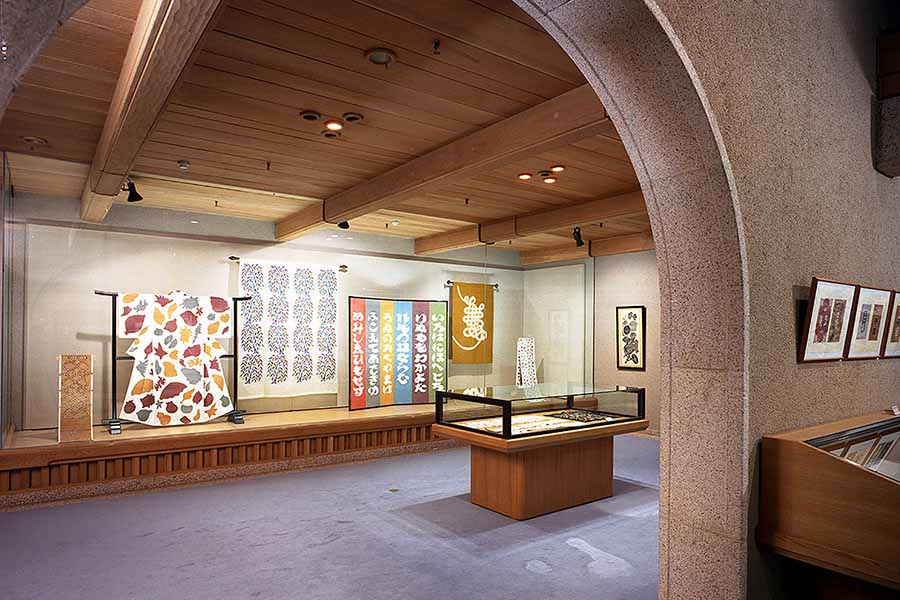
The Keisuke Serizawa Museum has fantastic exhibits and a wonderful atmosphere inside. It makes me want to call this place home, too.
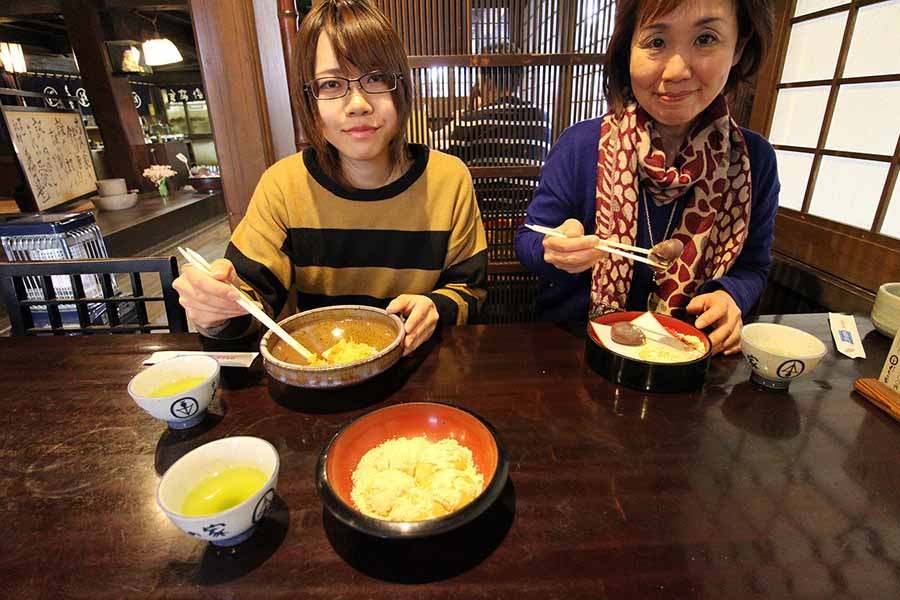
At "Toro Mochi no Ie," located west of the Toro Ruins, you can enjoy authentic, freshly pounded Abe River mochi. It is said that Tokugawa Ieyasu himself named it. Because the soybean flour has a golden hue, he named it after the Abe River, where gold was once abundant.
Related Information
Local Information
- Toro Ruins / Shizuoka City Toro Museum
- The Toro Ruins, which are even featured in textbooks, are the remains of a representative Yayoi-period settlement designated as …
- See More
- Ohama Park Pool
- Ohama Park Pool is currently closed for renovations.
- See More
- Shizuoka City Toro Museum
- A museum integrated with the archaeological site located within the Tōro Ruins, a Special Historic Site. The permanent exhibitio…
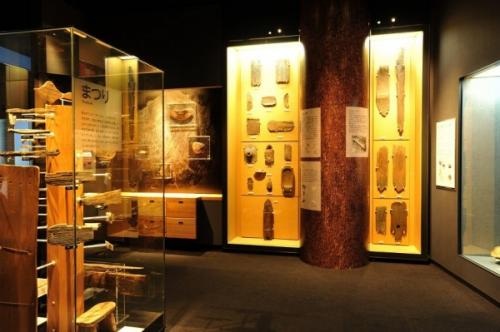
- See More
- Former McKenzie Residence
- Affectionately known as the former McKenzie Residence, this beautiful Western-style mansion with white walls stands along the co…
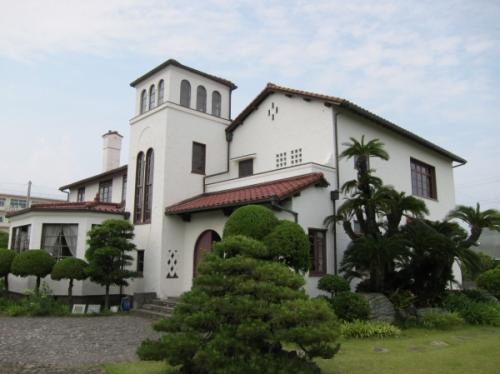
- See More
Map of Nearby Attractions
Trip Route
- Toro Ruins / Shizuoka City Toro Museum
- Ohama Park Pool
- Shizuoka City Toro Museum
- Former McKenzie Residence
If you load Google Map beyond the daily limit, it may not display correctly.
![[Umegashima Onsen] Visit this renowned hot spring with 1,700 years of history. Information on scenic waterfall tours and day-trip bathing options is also available.](/lsc/upfile/article/0000/0015/15_1_m.jpg)
![[Maruko-juku] Enjoy tororo soup at](/lsc/upfile/article/0000/0019/19_1_m.jpg)