A Special Feature on Power Spots in Shizuoka City
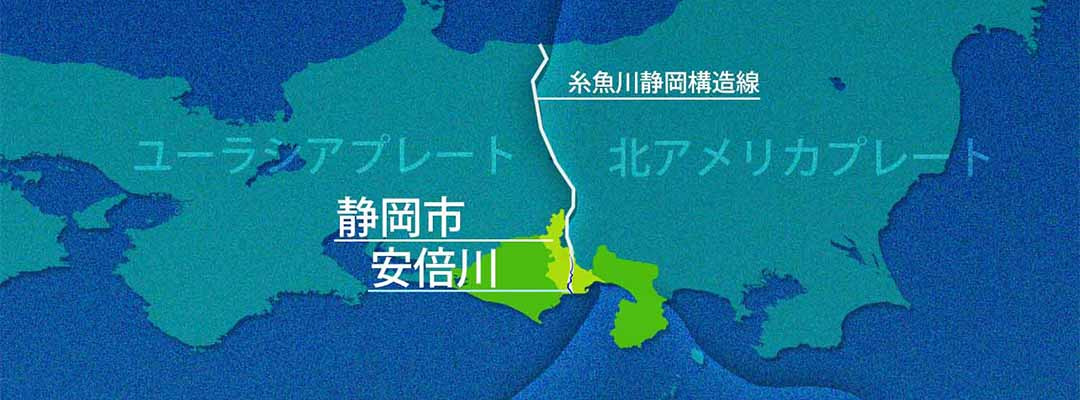
Shizuoka City, where the Itoigawa-Shizuoka Tectonic Line runs. We’ll introduce the energy of the plate boundary and historical sites associated with Tokugawa Ieyasu.
Table of Contents
Open Table of Contents
Power Spot
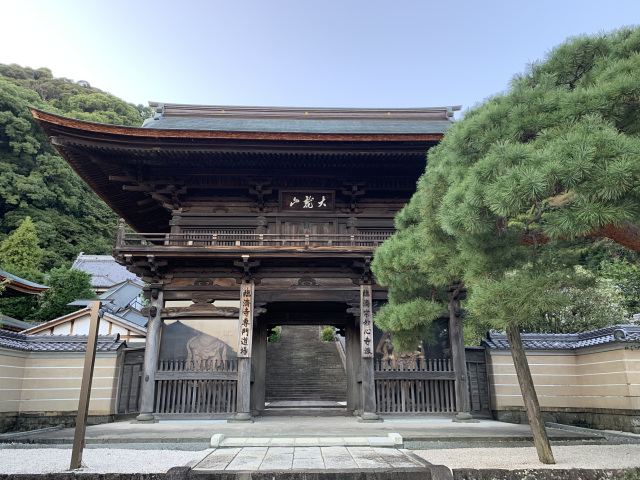
- Heisaku-ji Temple
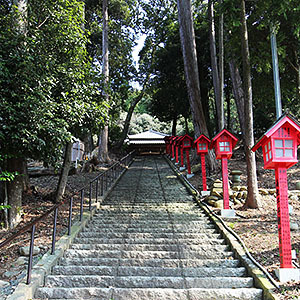
In Japan, when people refer to “power spots,” they are often said to be located along the “Central Tectonic Line.” This line, which divides Shikoku from north to south, runs straight to the area around Ise Grand Shrine before making a sharp turn northward, heading from Aichi Prefecture to Nagano Prefecture.
However, there is another major tectonic line in Japan: the Itoigawa-Shizuoka Tectonic Line. Since this line marks the boundary between the Eurasian Plate and the North American Plate, one might expect it to generate even greater “power” than the Central Tectonic Line, which is limited to Japan.
While one might view every location along a plate boundary as a power spot, if such places truly possess special energy, we should also carefully examine their historical significance and whether they are genuinely exceptional locations.
Places that have drawn people in, places that have captivated them, and places where simply standing there evokes a special sense of awe or makes you want to return time and again. If that is what defines a power spot, then Shizuoka City—known as “Sunpu”—has many places that truly qualify as genuine power spots.
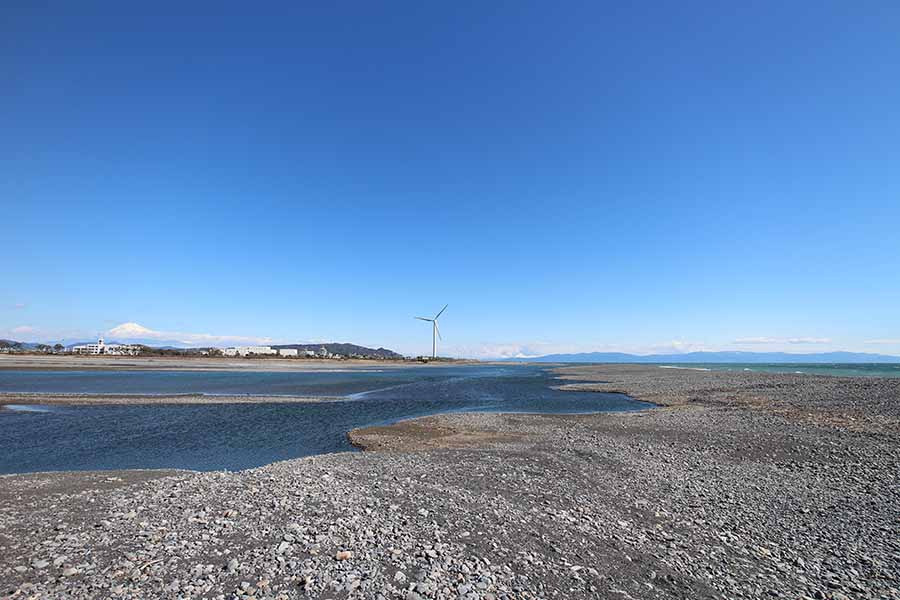
The Abe River, known for its clear waters and rapid currents, flows along the boundary between the Eurasian Plate and the North American Plate, resulting in different geological features on its eastern and western banks. It forms the Shizuoka Plain, and its delicious groundwater is used as tap water in Shizuoka City.
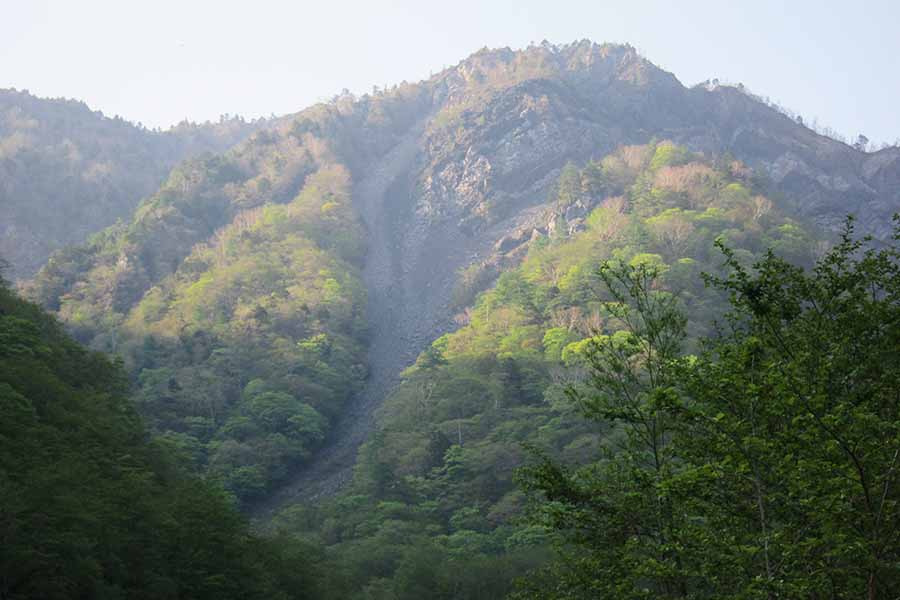
"The Ōya Landslide," one of Japan's "Three Great Landslides." The southern slope of the Ōya Ridge, believed to be the source of the Abe River.
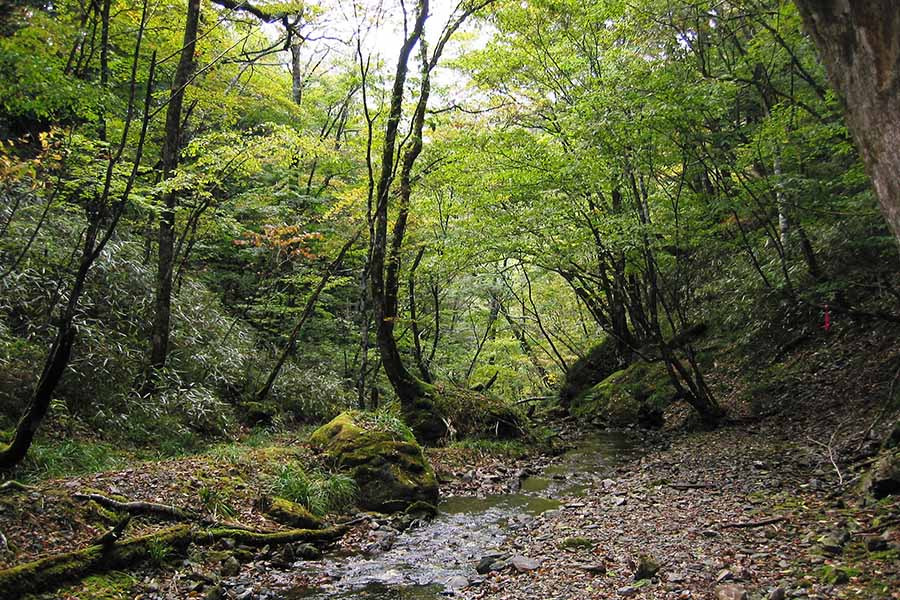
"Abe Pass," located near Umegashima Onsen in the headwaters of the Abe River.
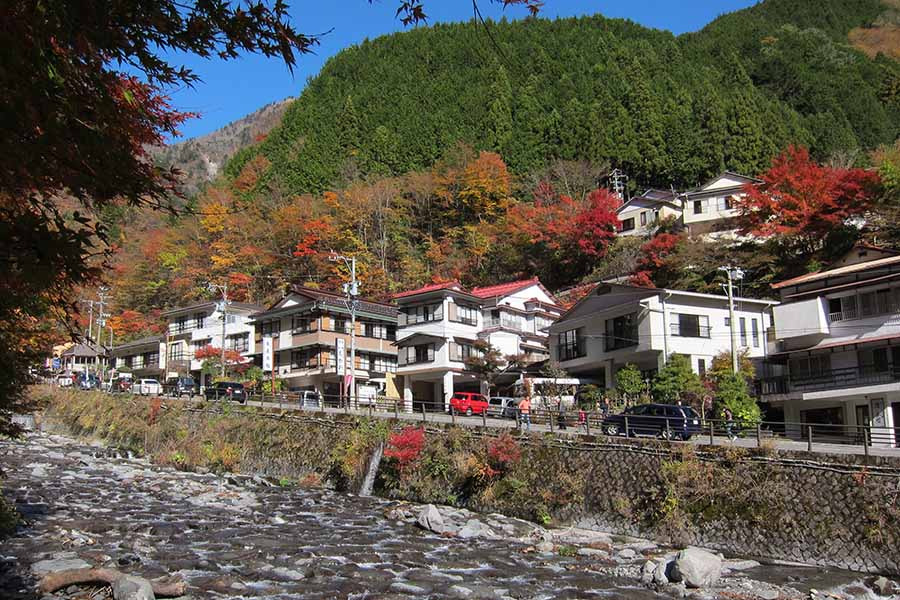
"Umegashima Onsen," where sulfur springs have been flowing continuously for over a thousand years in the headwaters of the Abe River.
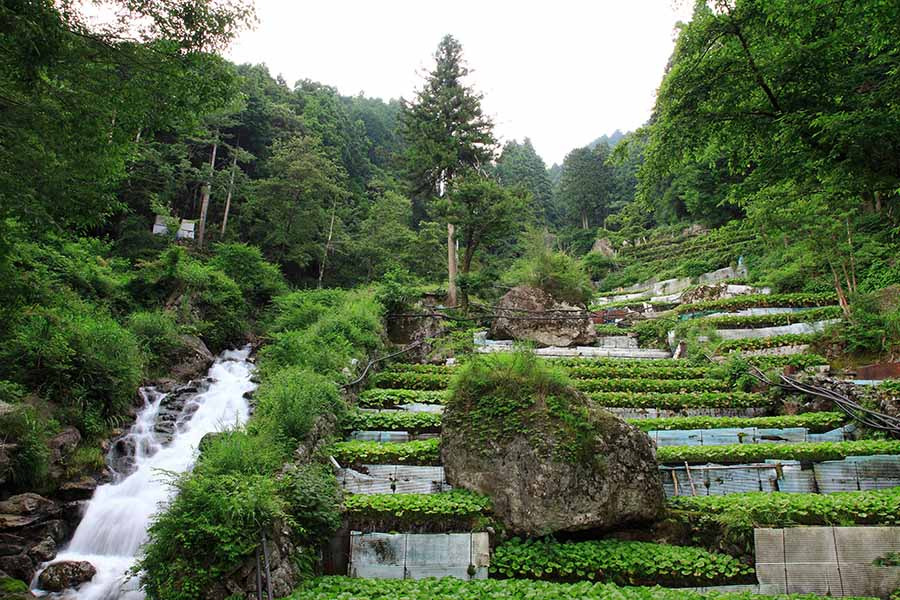
"Utoogi" in the upper reaches of the Abe River. The birthplace of wasabi cultivation.
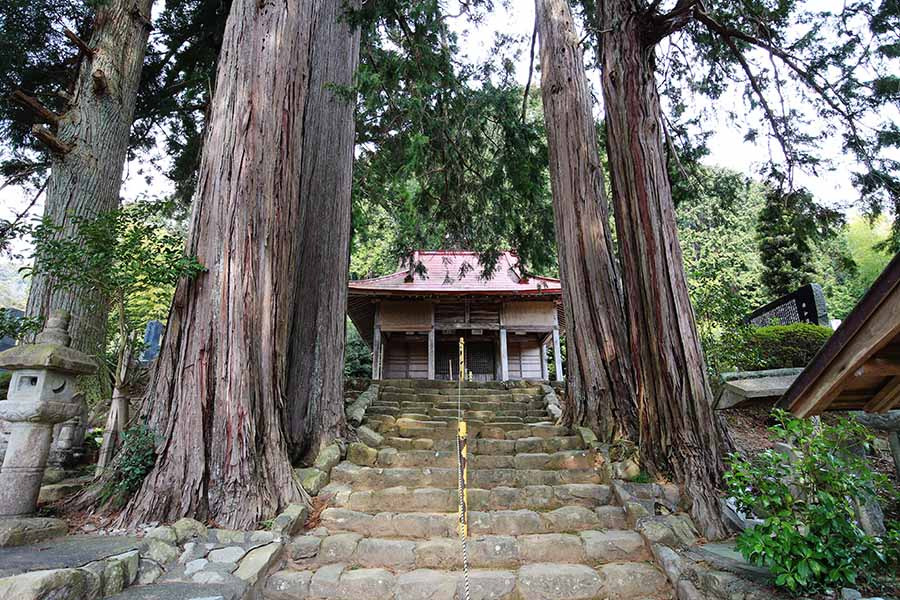
The Suruga Seven Kannon (Abe Seven Kannon) are said to have originated at this "Hōmyō-ji" temple. The Seven Kannon are Hōmyō-ji, Tokugan-ji, Hirasawa-ji, Zōzen-ji, Tetsushū-ji, Kenho-ji, and Reizan-ji.
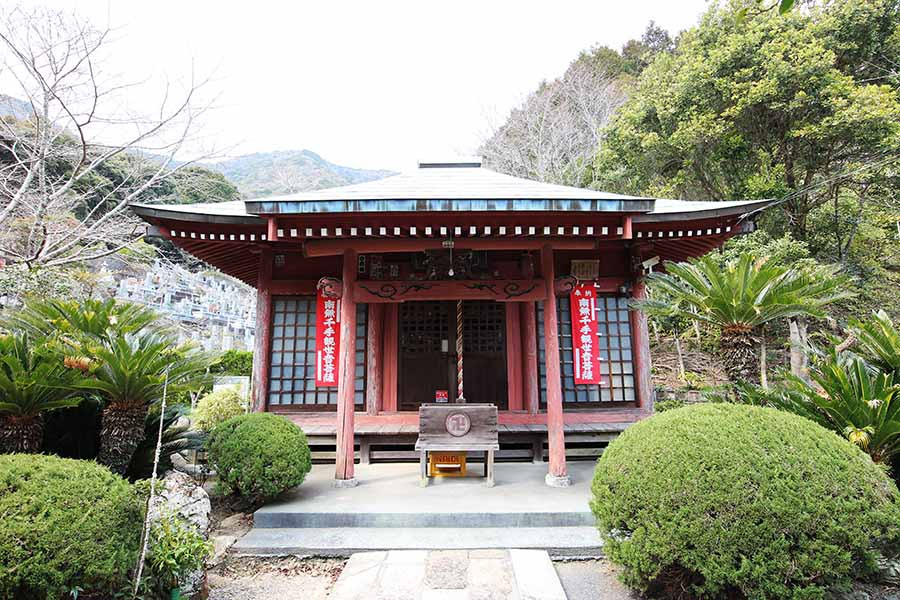
Zōzen-ji is one of the Suruga Seven Kannon (also known as the Abe Seven Kannon). It served as the family temple of the Imagawa clan, and the ruins of Abe Castle from the Nanboku-chō period can be found on the hill behind the temple.
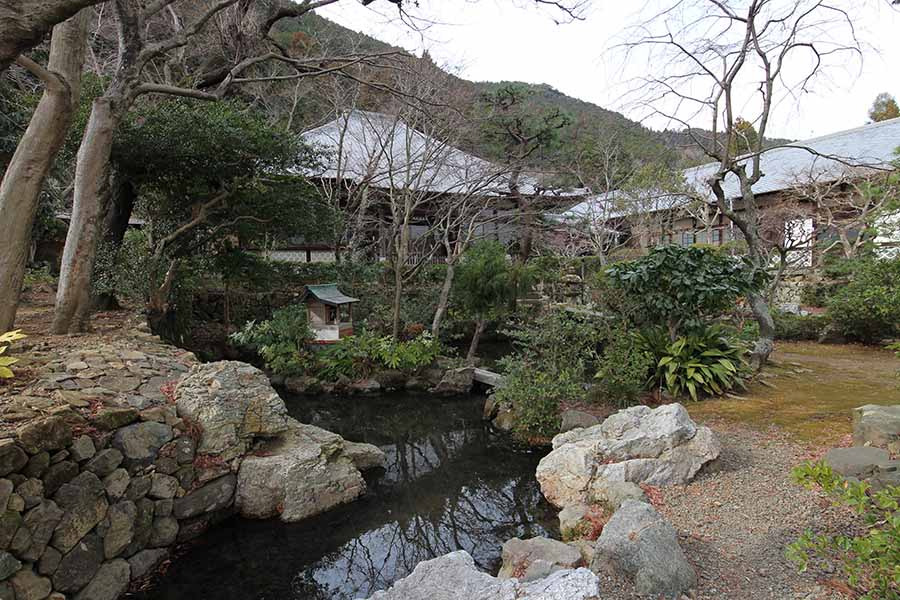
Tokugan-ji Temple is one of the Seven Kannon Temples of Suruga (also known as the Seven Kannon Temples of Abe). Located on Tokugan-ji Mountain on the west bank of the Abe River, it overlooks the downtown area of Shizuoka City.
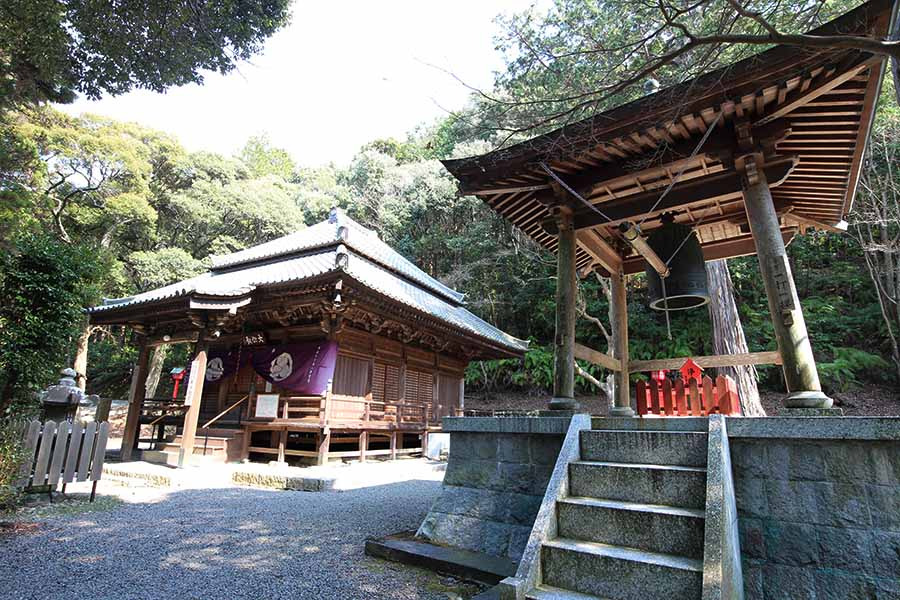
Hirasawa-ji Temple is one of the Seven Kannon Temples of Suruga (also known as the Seven Kannon Temples of Abe). Nestled in the foothills of Mt. Arido, home to Nihondaira, it is affectionately known as “Hirasawa’s Kannon.”
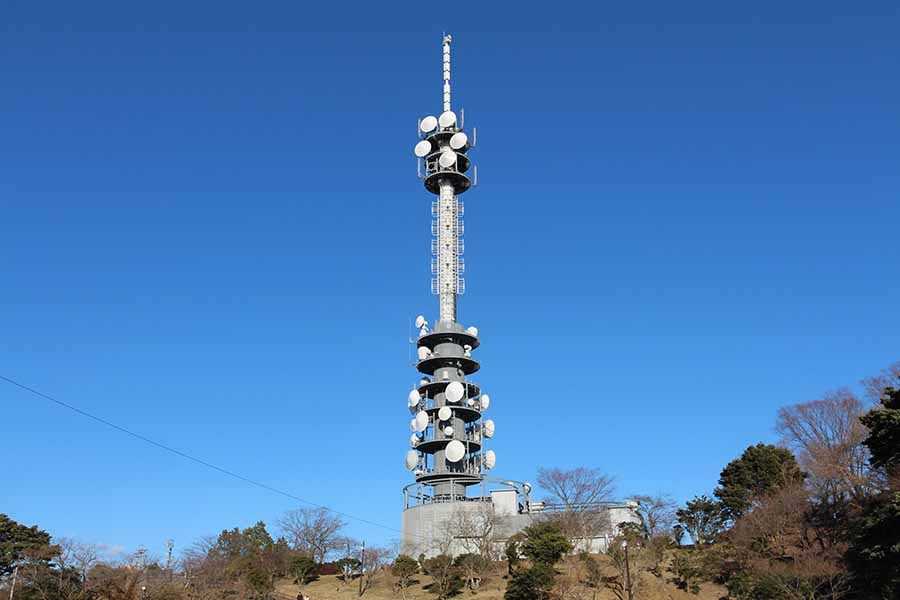
The summit of Mt. Yudo, known as the scenic spot "Nihondaira." Famous for its spectacular views of Mt. Fuji, it is connected by a ropeway to Kunozan Toshogu Shrine, located to the south.
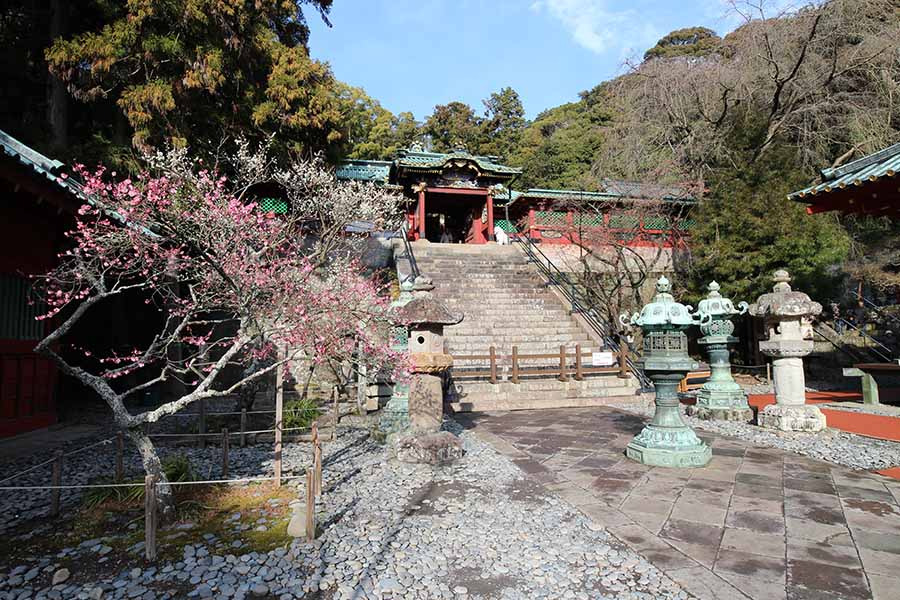
Kunozan Toshogu Shrine. Its origins trace back to the Asuka period, when Kunō Tadahito founded “Kunō-ji Temple.” Later, Takeda Shingen built “Kunō Castle,” and Tokugawa Ieyasu designated the summit of Mount Kunō as the “innermost bailey of Sunpu Castle.” Ieyasu chose this site as his final resting place.
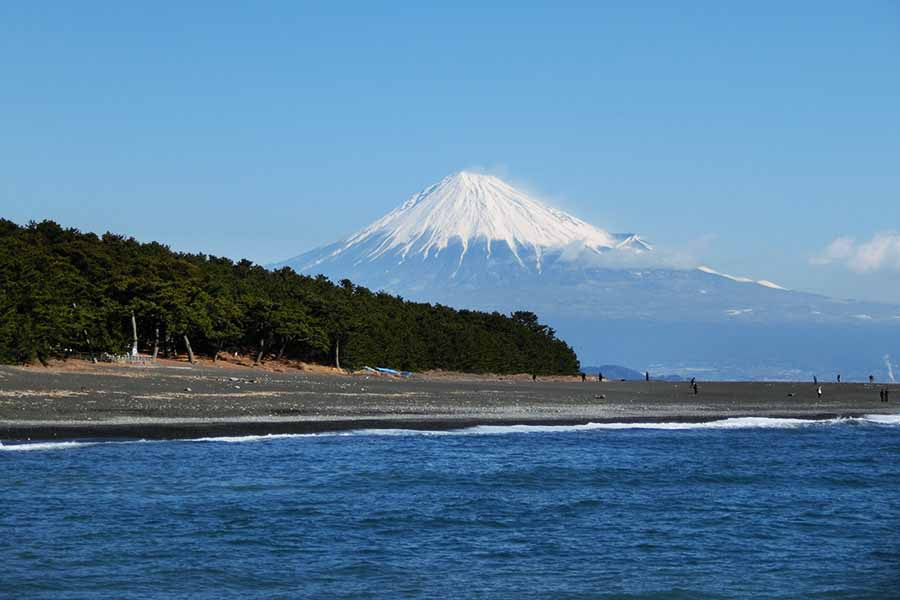
"Miho Matsubara." A place that has long been a source of fascination for people everywhere. As a component part of the "Mount Fuji" World Cultural Heritage site, it continues to captivate visitors to this day.
![[Umegashima Onsen] Visit this renowned hot spring with 1,700 years of history. Information on scenic waterfall tours and day-trip bathing options is also available.](/lsc/upfile/article/0000/0015/15_1_m.jpg)
![[Miho Matsubara] The Spectacular Views of the World Heritage Site](/lsc/upfile/article/0000/0031/31_1_m.jpg)
![[Maruko-juku] Enjoy tororo soup at](/lsc/upfile/article/0000/0019/19_1_m.jpg)