条件指定で探す
Category
Select your preferences
Area
Distance
検索結果
There were 453 results
- Sort by
- Most popular
- Nearest
- Last Updated Date
- Toggle view
- Tile
- List
- Map
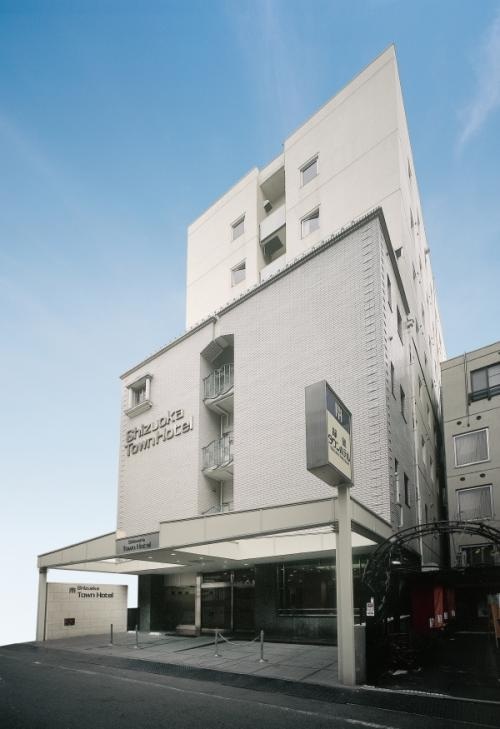
Shizuoka Town Hotel
About a 5-minute walk from JR Shizuoka Station. Conveniently located in the heart of downtown Shizuoka, the city’s bustling commercial district—the perfect base for business and sightseeing!☆■Member of APA Partner Hotels■Free Wi-Fi throughout the hotel♪
- Shizuoka City Center
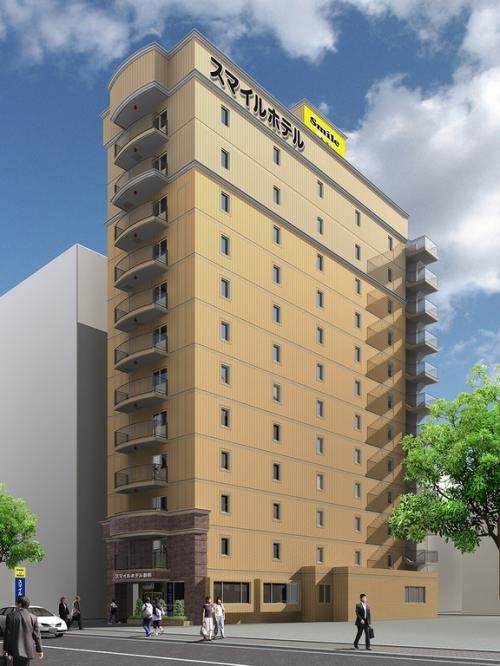
Smile Hotel Shizuoka
Smile Hotel is a hotel chain that provides "service with a smile that brings genuine joy to every single guest" across the country.
- Shizuoka City Center
Yatchiki Izakaya
This restaurant serves Shimizu’s famous offal curry.Since this signature dish often sells out, you might consider yourself lucky if you get to try it...
- Shimizu and Miho
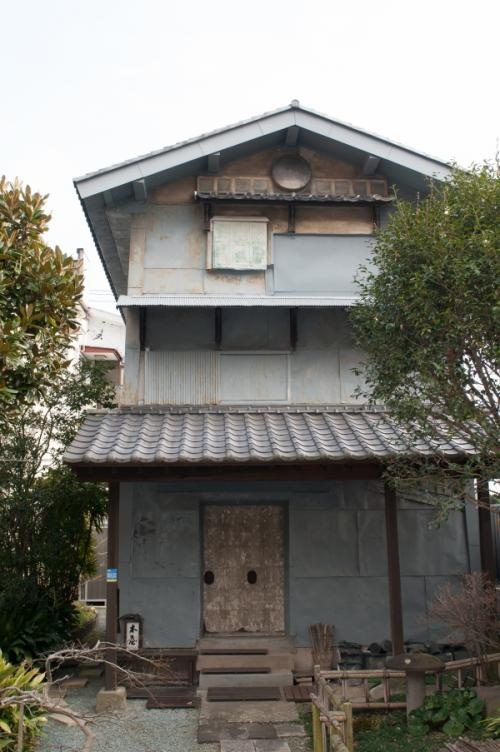
Kiya Edo Museum
Originally a lumber wholesaler operating under the trade name "Kiya" in the Kamabara area, this was a distinguished family that served as the head of the local council during the Edo period. It is the fifth-oldest three-story earthen storehouse in Japan and was constructed using earthquake-resistant building techniques of the time. The …
- Shimizu and Miho
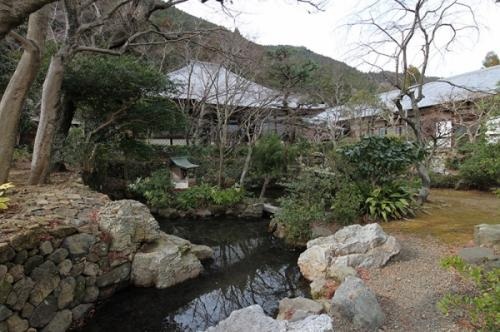
Tokugan-ji Temple
One of the Suruga Seven Kannon (also known as the Abe Seven Kannon), this temple is said to be where the renowned monk Gyōki enshrined a statue of the Thousand-Armed Kannon during the Nara period. It is located atop Tokuganji Mountain, overlooking downtown Shizuoka City, and houses the tomb of Lady Kitagawa, the grandmother of Imagawa Yoshimoto.
- Yōmune and Maruko
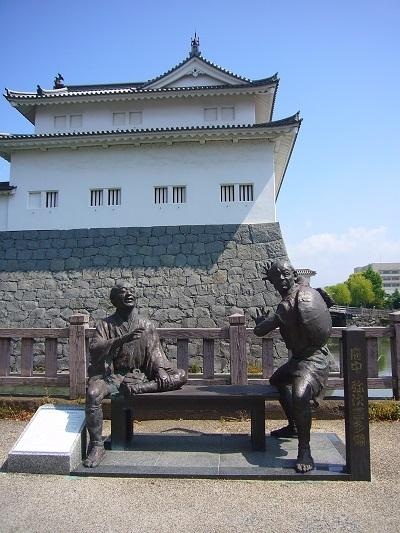
Statue of Yaji and Kita
This bronze statue was erected to commemorate the 200th anniversary of the publication of Jippensha Ikku’s *Tōkaidōchū Hizakurige*. Located just before the Higashi Gate, with the Tatsumi Turret in the background, it features Yaji (left) and Kita (right) standing on a bench—making it a perfect photo spot. Jippensha Ikku was born in Shizuoka City.
- Shizuoka City Center
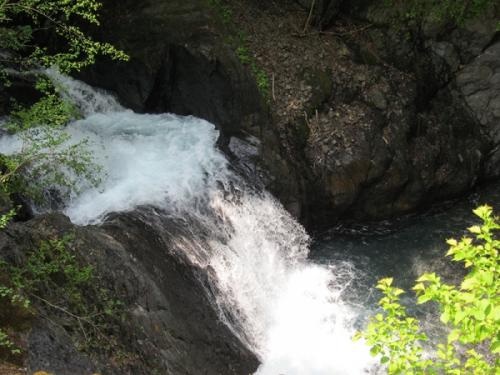
Hōgetsu Falls
This is a waterfall with a drop of about 5 meters located on the Sekinozawa River, a tributary of the Abe River. From Prefectural Route 29, cross the bridge in front of the Umegashima Elementary and Junior High School heading toward Umegashima Onsen, then turn right immediately after the bridge toward "Sekinozawa" and walk about 800 met…
- Okuzizu
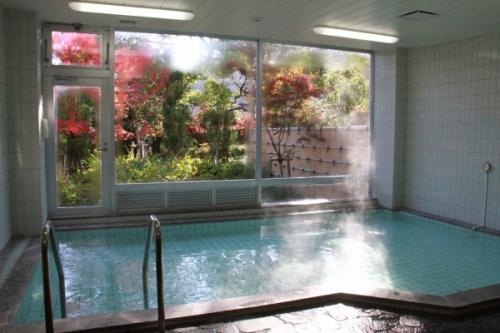
Shizumoru Nishigaya (Nishigaya Resource Recycling Experience Plaza)
Shizumall Nishigaya is a unique facility where visitors can experience both waste reduction and the effective use of resources at the same time.In addition to hot springs and foot baths powered by waste-to-energy plant waste heat, we offer a wide variety of hands-on workshops, such as glassblowing using recycled bottles and making hanging decorat…
- Shizuoka City Center
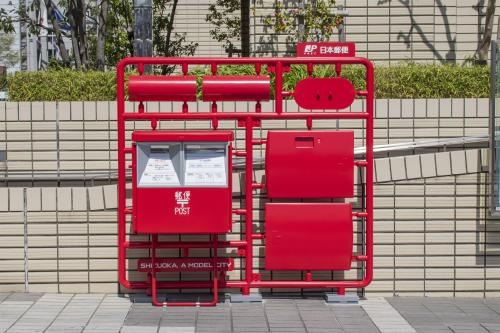
004 Mailbox Model Monument
A working mailbox as a plastic model kit!? Why not try dropping a letter in here?
- Shizuoka City Center
Tokai Forest Co., Ltd.
We operate the Nikenkoya Lodge, Sawarajima Lodge, Nikenkoya Mountain Hut, and Sawarajima Mountain Hut in the Southern Alps. For more details, please visit our website.
- Okuzizu
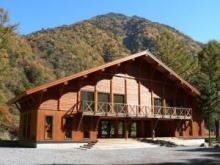
My Hotel Ryugu
A 3-minute walk from the North Exit of Shizuoka Station, a 1-minute walk from the Shizuoka Railway Bus and Train Terminal, and a 10-minute drive from the Shizuoka Interchange. This business hotel is conveniently located near Shizuoka Station, making it ideal for business and leisure travelers. Complimentary high-speed 100 Mbps LAN internet access…
- Shizuoka City Center
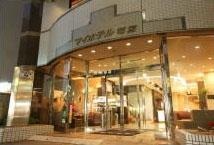
Yōkaiji
A famous temple that served as a place of prayer for the Tokugawa clan and has ties to the Imperial Family. Within the temple grounds stands a signpost for the "Minobu Road" written in the hand of Yasui Oemaru, and the temple houses valuable artifacts such as calligraphy by Katsu Kaishu and Yasunari Kawabata.
- Shimizu and Miho
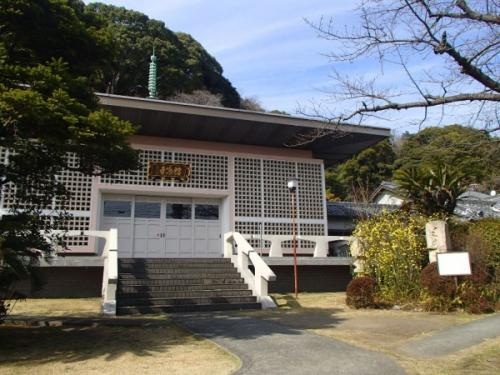
The Ginkgo Tree with Leaves at Sekizō-in Temple
Located within the grounds of Sekizō-in Temple on the slopes of Mount Kunō overlooking Suruga Bay, it stands as a prominent local landmark, its presence commanding attention even as it is exposed to the sea breeze from the bay.[Shizuoka City Designated Important Landscape Tree]
- Nihondaira, Kunō, and Tōro
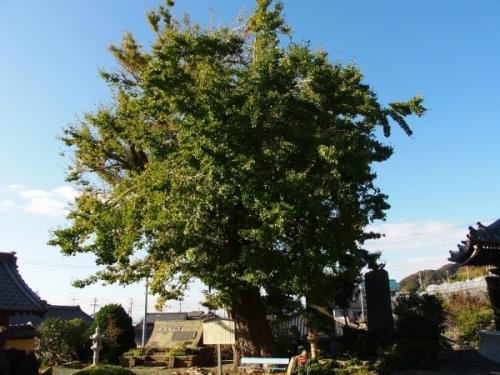
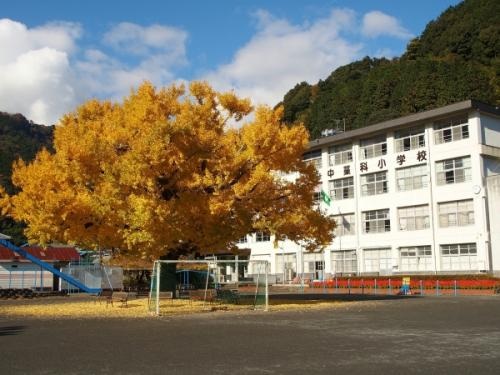
The Ginkgo Tree at Nakawara Elementary School
Located in the center of the Nakawara Elementary School playground, it creates a unified landscape that blends the distant mountains, the school building in the middle ground, and the ginkgo tree in the foreground.
- Okuzizu
Yagi Sake Shop
We carry a selection of local sake from Shizuoka. Perfect for souvenirs.We are the liquor store closest to Shimizu Port.
- Shimizu and Miho
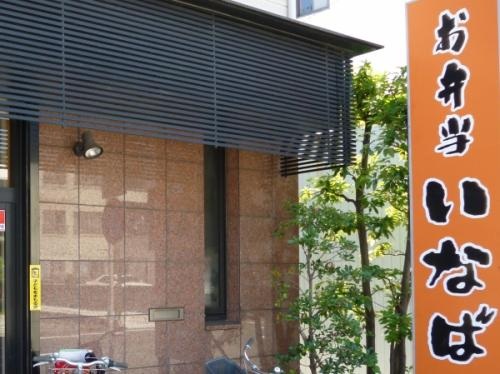
Inaba
This is "Obento Inaba," known for its affordable and delicious meals. It’s located along the old Tokaido Road, a 5-minute walk from Shizuoka Railway’s Sakurabashi Station.
- Shimizu and Miho
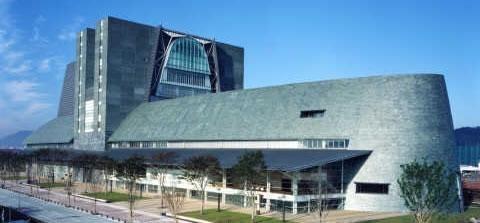
Shizuoka Convention & Arts Center GranShip
This is a prefectural multi-purpose cultural facility established by Shizuoka Prefecture to serve as a "hub for cultural creation and exchange." The Shizuoka Prefectural Cultural Foundation has been designated by Shizuoka Prefecture as the designated manager of Gran Ship. Through its own programs, venue rentals, large-scale conventions,…
- Nihondaira, Kunō, and Tōro
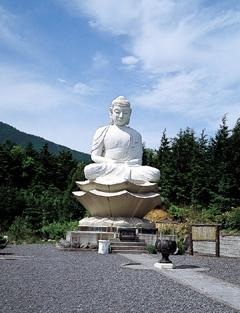
Ikawa Great Buddha
This Great Buddha was built over a period of four years by Heichiro Sato, a dentist at the Igawa Clinic, as an expression of gratitude for 60 years of good health. Standing 11 meters tall, it was consecrated on November 1, 1980. An annual festival is held every October.
- Okuzizu
Mizuguchiya Gallery
During the Edo period, Mizuguchiya served as the waki-honjin (secondary post station) for Okitsu-juku on the Tōkaidō. From the Meiji period onward, it functioned as a seaside inn and eventually became a vacation resort for members of the imperial family, politicians, and cultural figures. This history was documented in the book *Japanese Inn* by …
- Shimizu and Miho
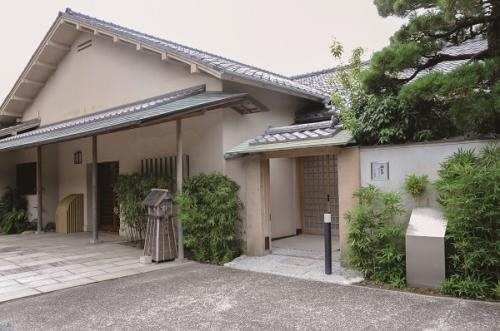
Toro Ryokan
This inn is located right next to the Toro Ruins, where you can feel as if you’ve traveled back in time to the Yayoi period. The garden on the grounds features Japanese white pines and Japanese boxwoods over 120 years old, as well as statues of Yayoi-period people inspired by the nearby Toro Ruins.
- Nihondaira, Kunō, and Tōro
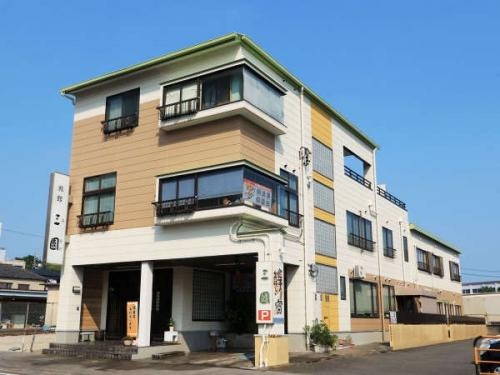
Sanzono Ryokan
Sanzon Ryokan. Located in Shimizu Ward, Shizuoka City, Shizuoka Prefecture, Sanzon is a traditional Japanese-style business inn. We are known for our affordable rates and hearty meals. We welcome guests for sports training camps—especially soccer—as well as business stays. We have parking available for large vehicles. Rates start at 6…
- Shimizu and Miho
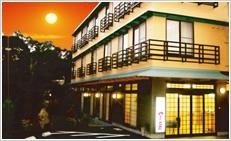
HOTEL New Masterchi
This is a quiet inn where you can enjoy a restful night’s sleep. Stretch out in our large communal bath, work up a sweat in our free sauna, and soothe the fatigue of your travels.* Guests arriving by bus will receive a 200-yen cashback per night of their stay to cover the bus fare.
- Shizuoka City Center
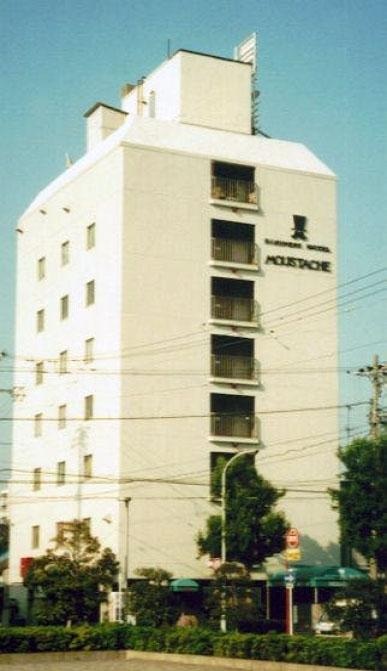
Sun Palace Hotel
Conveniently located just a 3-minute walk from JR Shizuoka StationEasy access from Shizuoka Station makes it convenient for both business and sightseeing!
- Shizuoka City Center
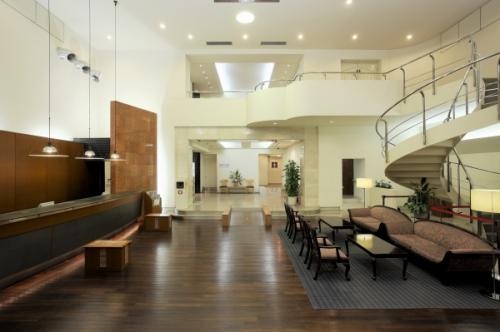
Kien
This restaurant serves Shimizu’s famous offal curry.If you visit Shimizu, be sure to try the offal curry.
- Shimizu and Miho
Fukusuke
This restaurant is located right near JR Shimizu Station.If you visit Shimizu, be sure to try the offal curry.
- Shimizu and Miho
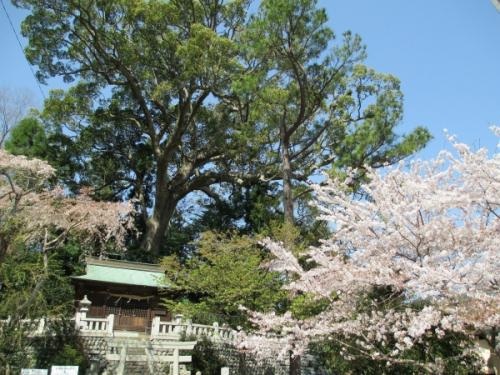
The Camphor Tree at Tadanuma Shrine
Located within the grounds of Tadanuma Shrine, which sits on slightly elevated ground within the village,it forms a striking scenic view that includes the torii gate, the shrine’s main hall, and the surrounding woods, and is cherished by local residents.[Shizuoka City Designated Important Landscape Tree]
- Okuzizu
Hotel Sunroute Shimizu
Located just a 3-minute drive from JR Shimizu Station, right in front of Shizuoka Railway’s Shin-Shimizu Station, and a 10-minute drive from the Shimizu Interchange, Hotel Sunroute Shimizu is a full-service urban hotel situated in the heart of the bustling downtown area of the port town of Shimizu. It is available for a variety of occasions, from…
+ detail_121.html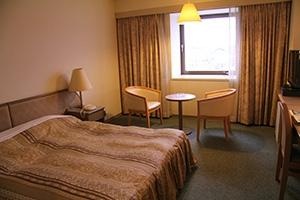
Hōdai-in Sub-temple
Hōdai-in Betsuin was formerly known as Shōkyū-ji. Located to the west of Kunozan Tōshō-gū, it is the family temple of Sakakibara Shōkyū, who served closely by the side of Tokugawa Ieyasu and enjoyed his deep trust.On April 17, 1616 (Genna 2), when Tokugawa Ieyasu passed away at Sunpu Castle, the second shogun, Hidetada, immediately ordered the co…
- Nihondaira, Kunō, and Tōro
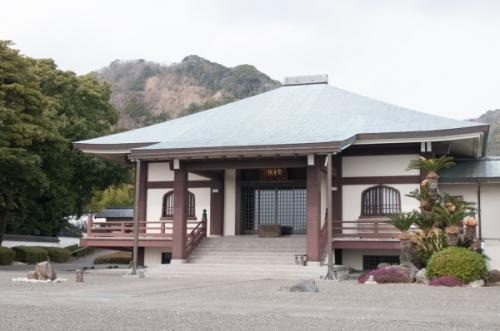
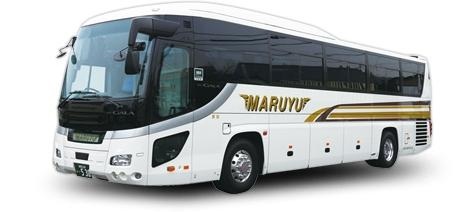
Maruyu Transportation
If you're looking for a charter bus in Shizuoka City and the surrounding area, please contact us. We offer a wide range of vehicles, including large, medium, and small buses, as well as minibuses. Maruyu: Bringing smiles to your day. We're here to make your journey enjoyable.
- Shimizu and Miho
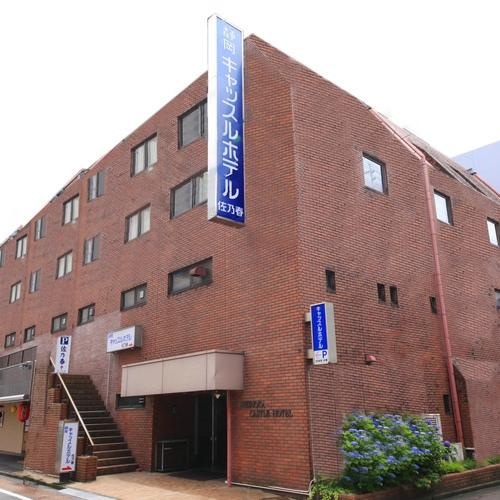
Shizuoka Castle Hotel Sanoharu
This quiet hotel is located in downtown Shizuoka, just behind the Shizuoka Isetan department store. Pass through Gofukumachi Street and Shichikenmachi Street—which carry on the traditions of the historic town surrounding Sunpu Castle—and you’ll find a serene and peaceful retreat. We invite you to spend a relaxing evening in Shiz…
- Shizuoka City Center
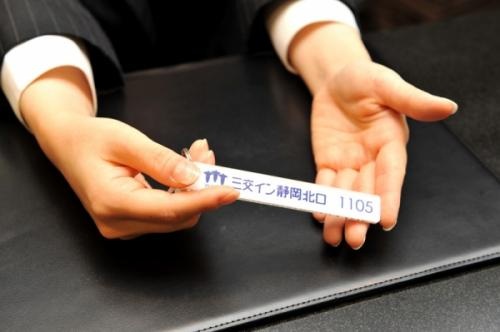
Sanko Inn Shizuoka North Exit
This prime location offers excellent access to government offices such as the prefectural and city halls.It faces National Route 362 (Showa-dori) and is close to National Route 1,making it highly recommended for those traveling by car.Additionally, the "7-Eleven" convenience store on the first flooris very convenient for solo travelers …
- Shizuoka City Center
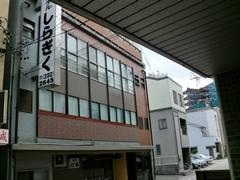
Ryokan Shirakiku
Homey service. A relaxed atmosphere. You’ve found a second home in Shizuoka. We can accommodate large buses.
- Shizuoka City Center
Kojō-ji Temple
This temple enshrines a lock of hair from Okazaki Saburō Nobuyasu, a military commander who, despite being born as the eldest son of Tokugawa Ieyasu, was forced to commit suicide after being accused of treason. A memorial stupa remains at the temple, which is said to have been visited by daimyō on their sankin-kōtai pilgrimages and by Korean dipl…
- Shimizu and Miho
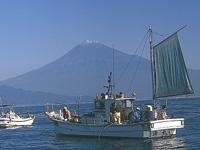
Sea Fishing in Miho
The Miho Peninsula is a mecca for sea fishing. You can catch black sea bream in Shimizu Harbor, red sea bream off the coast near "Hagoromo no Matsu," as well as numerous other species such as black porgy, horse mackerel, sand whiting, flathead, and filefish.
- Shimizu and Miho
Kuchisakamoto Onsen: Guesthouse Genzenkan
Our home is the source of the Kuchisakamoto Hot Spring. We welcome you with seasonal mountain vegetable dishes and river fish cuisine. Sodium bicarbonate spring.
- Okuzizu
Hotel Morimatsukan
A 5-minute walk from the South Exit of Shizuoka Station. Conveniently located just a 10-minute drive from the Tomei Shizuoka Interchange. Features a paid parking lot (400 yen per night) with space for 20 vehicles. This business hotel is an ideal base for both business and leisure travelers.
- Shizuoka City Center
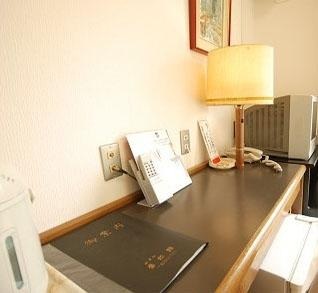
Hotel Dolf Shizuoka
Hotel Oak Shizuoka
Located near downtown Shizuoka, the government district, and the entertainment district, this property is ideal for both business and leisure travelers. It is a 5-minute walk to "Shizuoka Oden Street."
- Shizuoka City Center
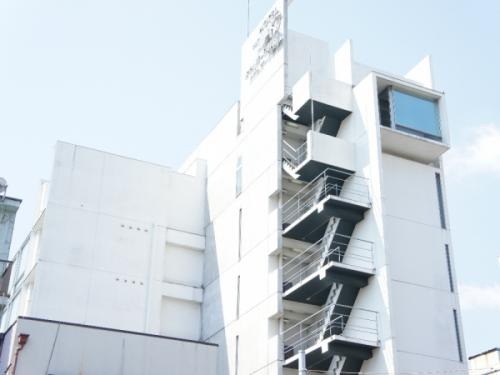
Hotel TOKIWA Station South Branch
Hotel Tokiwa Ekiminami is located in a prime location in the heart of Shimizu, Shizuoka City. Situated in the center of Shimizu Ward, Shizuoka City, we offer comfortable guest rooms at reasonable rates to business travelers, families, and group travelers.
- Shimizu and Miho
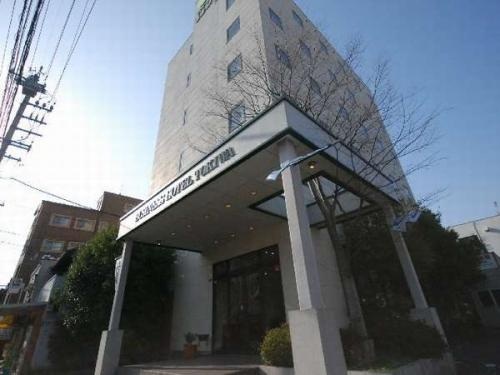
Tonkatsu Yagiharu
Our signature dish is the "Motsu Curry Rice," which features a hearty serving of curry rice topped with Shimizu's classic motsu curry. We also offer a wide variety of delicious tonkatsu dishes.We’re open for both lunch and dinner, so we highly recommend us for families.
- Shimizu and Miho