What Is Shizuoka’s Famous Abe River Mochi? History, Recommended Shops, and How to Make It | Also Featuring Local Sweets Like Oiwake Yokan and Usagi Mochi
When it comes to traditional Japanese sweets in Shizuoka City, “Abekawa Mochi” is a must-mention. Beloved since the Edo period and associated with an anecdote involving Tokugawa Ieyasu, it is one of Shizuoka Prefecture’s most iconic sweets. In this article, we’ll introduce not only Abekawa Mochi but also other local specialties unique to Shizuoka City—such as Oiwake Yokan, Usagi Mochi, and Yubi Manju—along with the stories behind them.
Table of Contents
Open Table of Contents
- What is "Abekawa Mochi," Shizuoka City's signature local confection?
- The Origin of the Connection to Lord Tokugawa Ieyasu
- 5 Best Places in Town to Enjoy Abe River Mochi!
- Map of Abe River Mochi Shops
- Don't miss the other local sweets besides Abe River Mochi!
- ① Oiwake Yokan
- ② Rabbit Mochi
- ③ Finger-shaped buns
- Map of Other Stores
- Summary
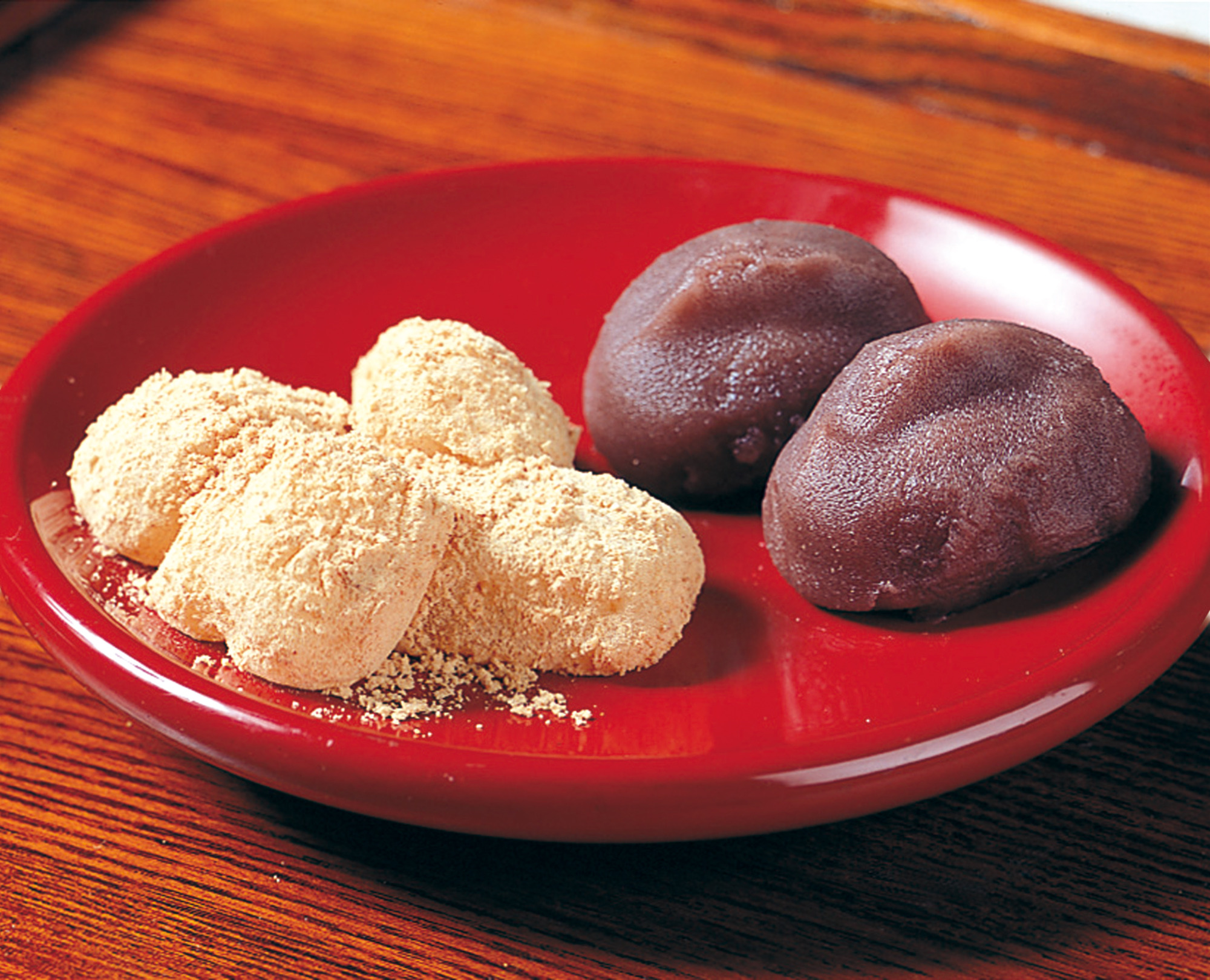
What is "Abekawa Mochi," Shizuoka City's signature local confection?
- Kagoya
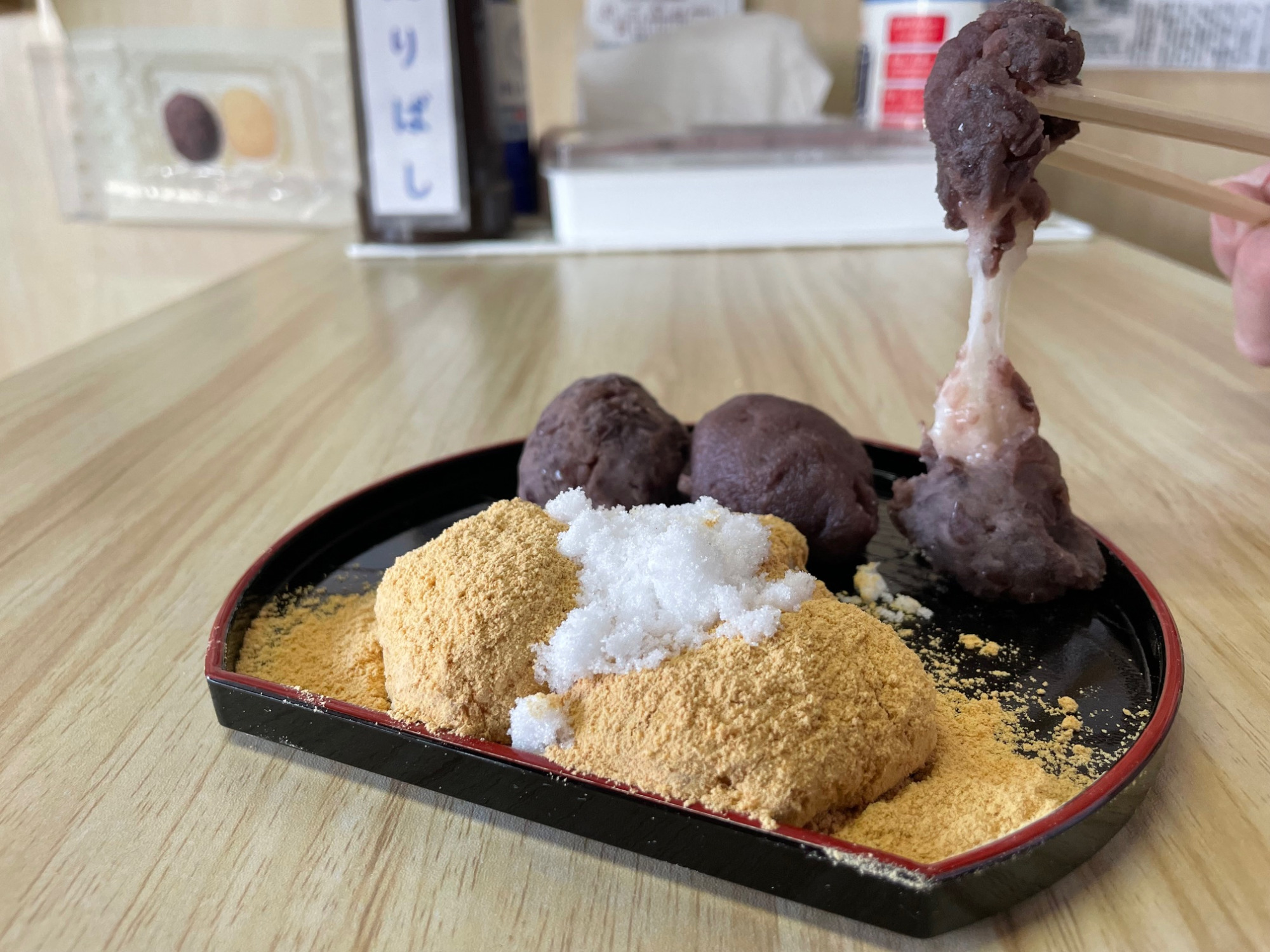
- Kagoya
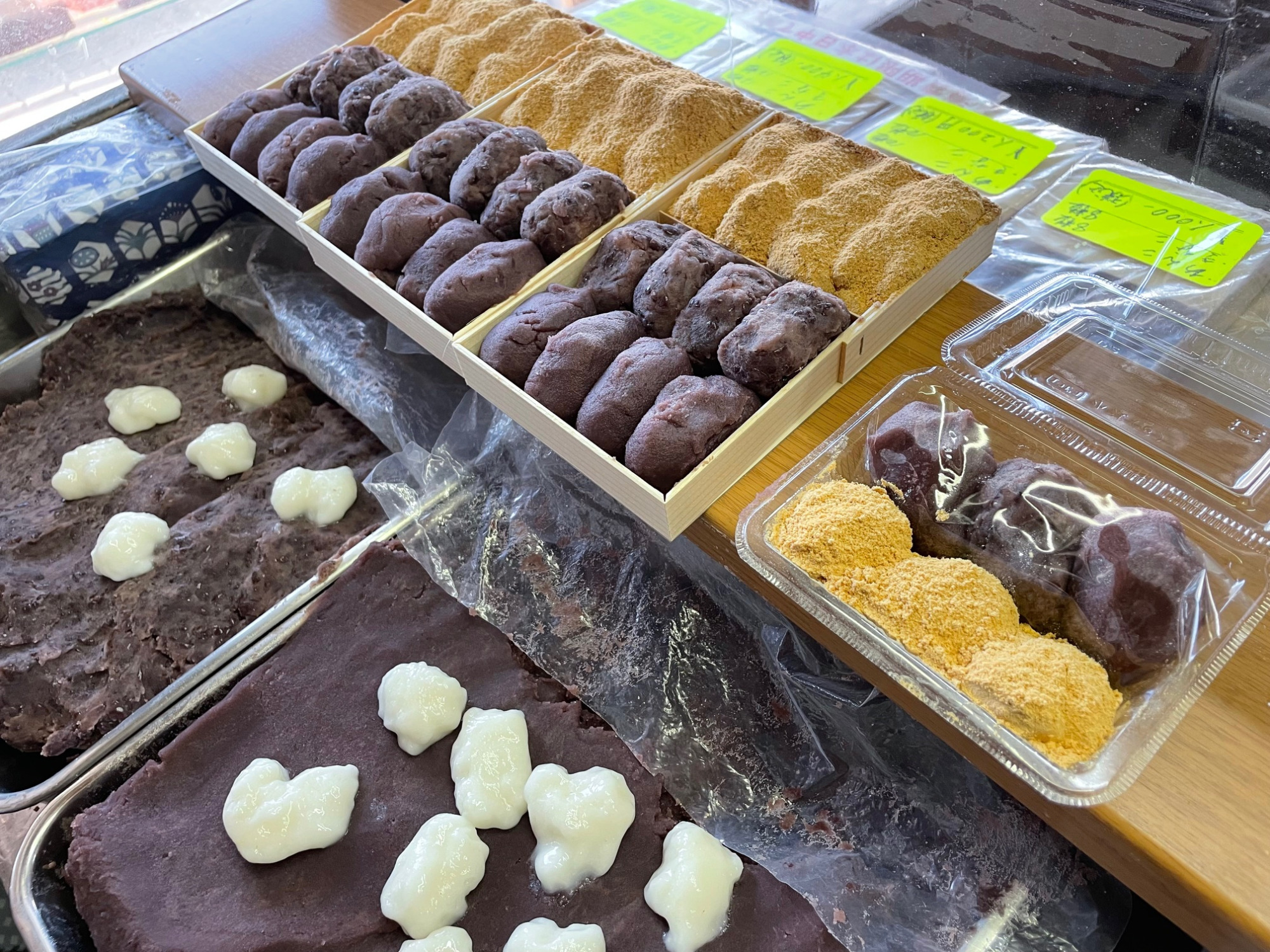
- Yamadaichi
- Shōhakudō
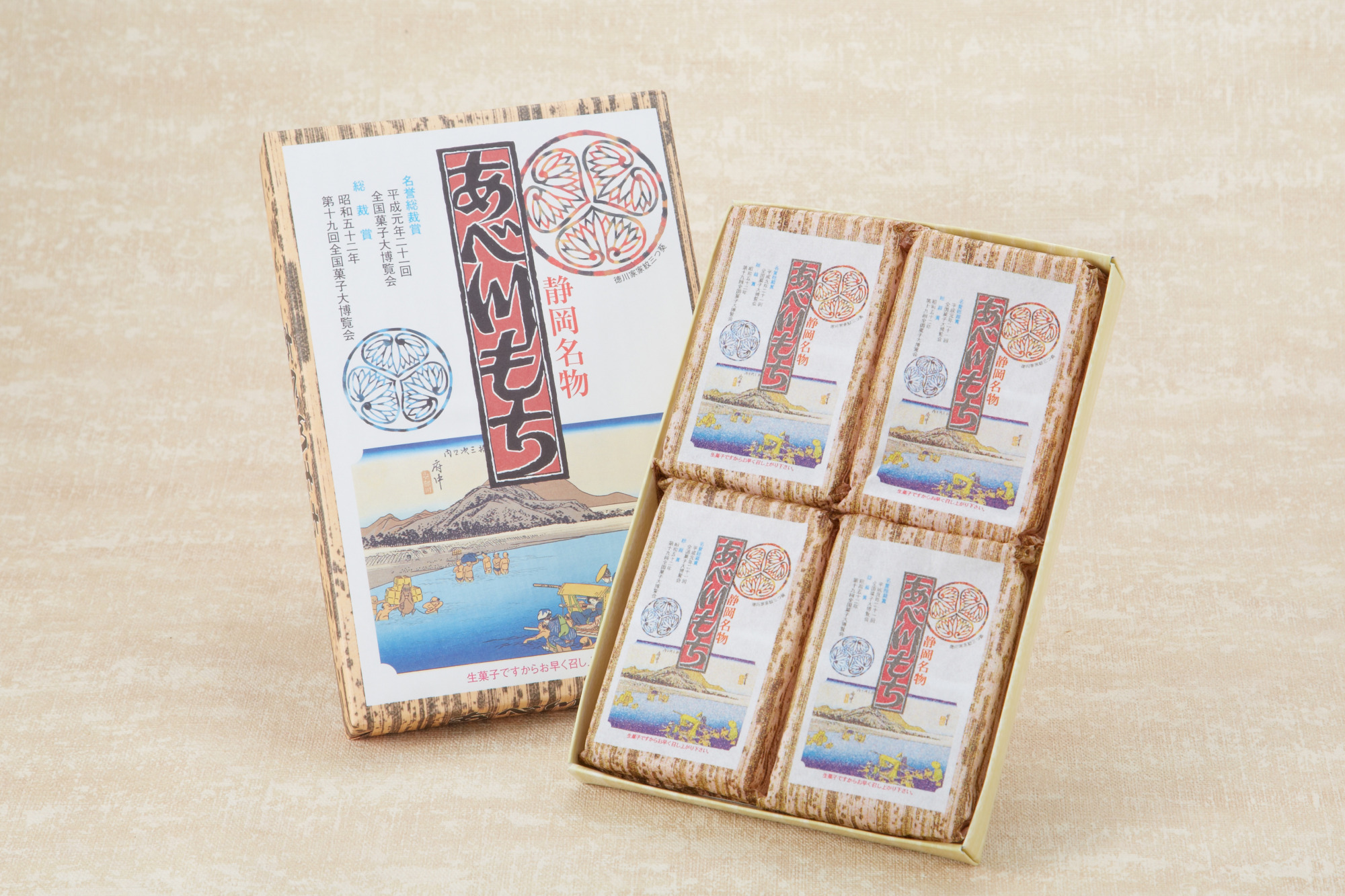
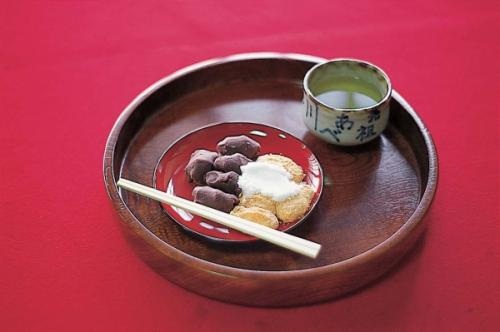
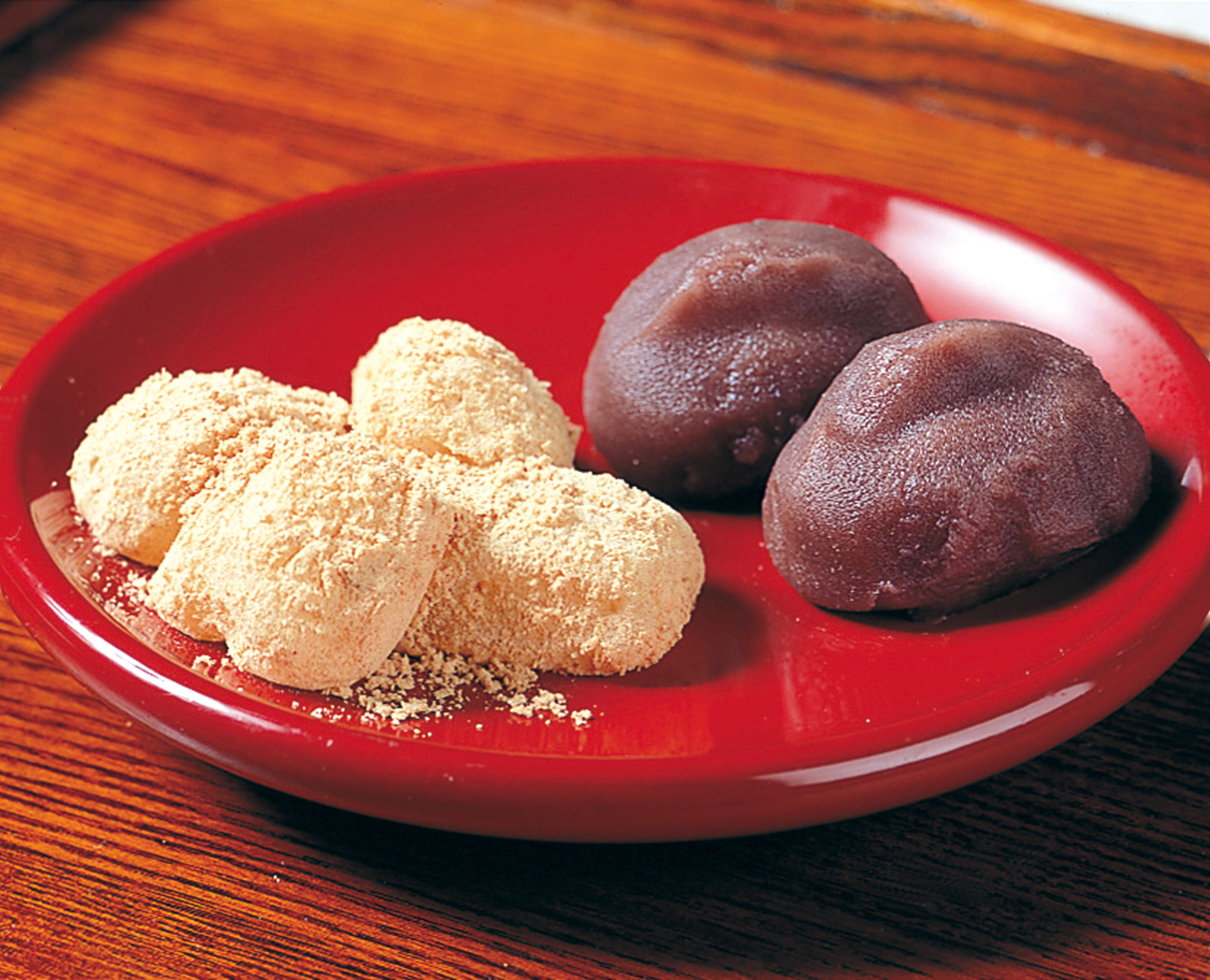
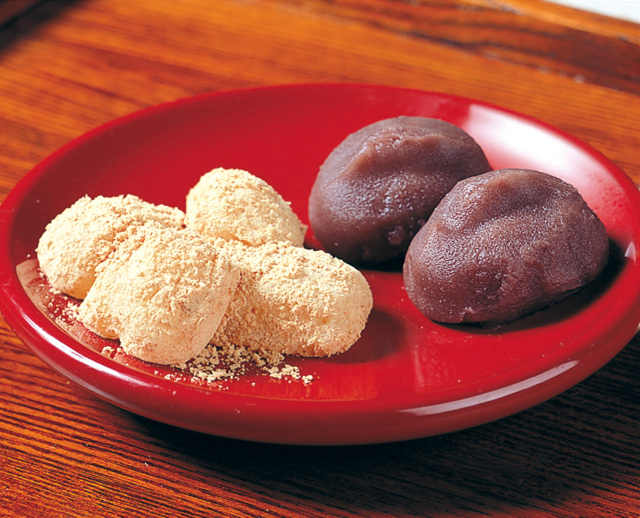
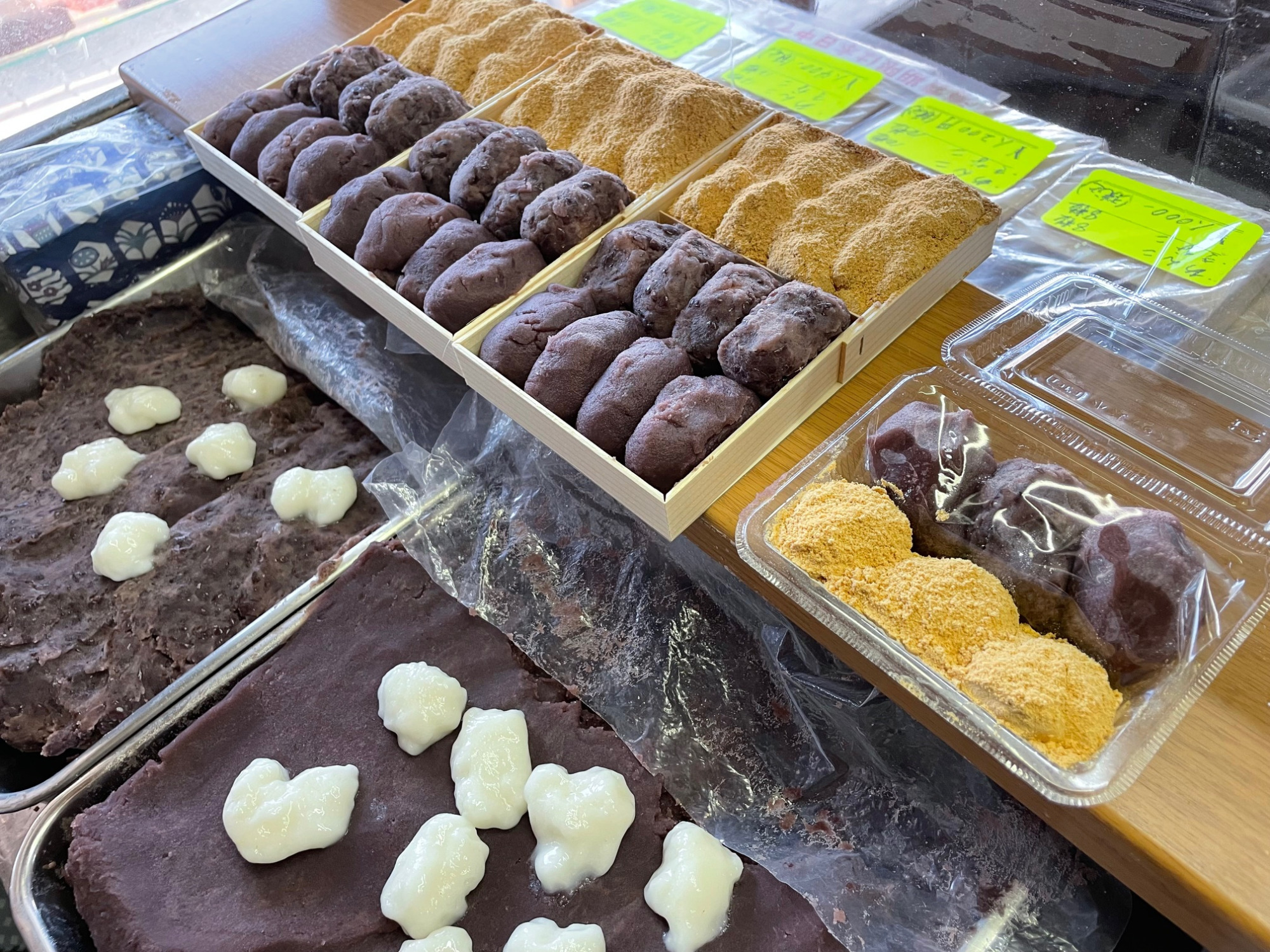
"Abekawa Mochi," a traditional confection that represents Shizuoka City, is a historic sweet said to be the origin of kinako mochi found throughout Japan. It is characterized by its simple flavor—freshly pounded, soft mochi coated in sugar-flavored kinako (roasted soybean flour)—and today, it is common for shops to offer a set of two varieties: kinako and koshi-an (smooth red bean paste).
While it has long been cherished in the region centered around Shizuoka City, its timeless flavor is said to have gradually spread to distant regions through travelers passing along the Tokaido Road, evolving into unique local variations in different areas as its shape and name changed.
With its simple yet complex flavor, Abegawa Mochi continues to be loved across generations.
If you visit Shizuoka City, be sure to give it a try!
The Origin of the Connection to Lord Tokugawa Ieyasu
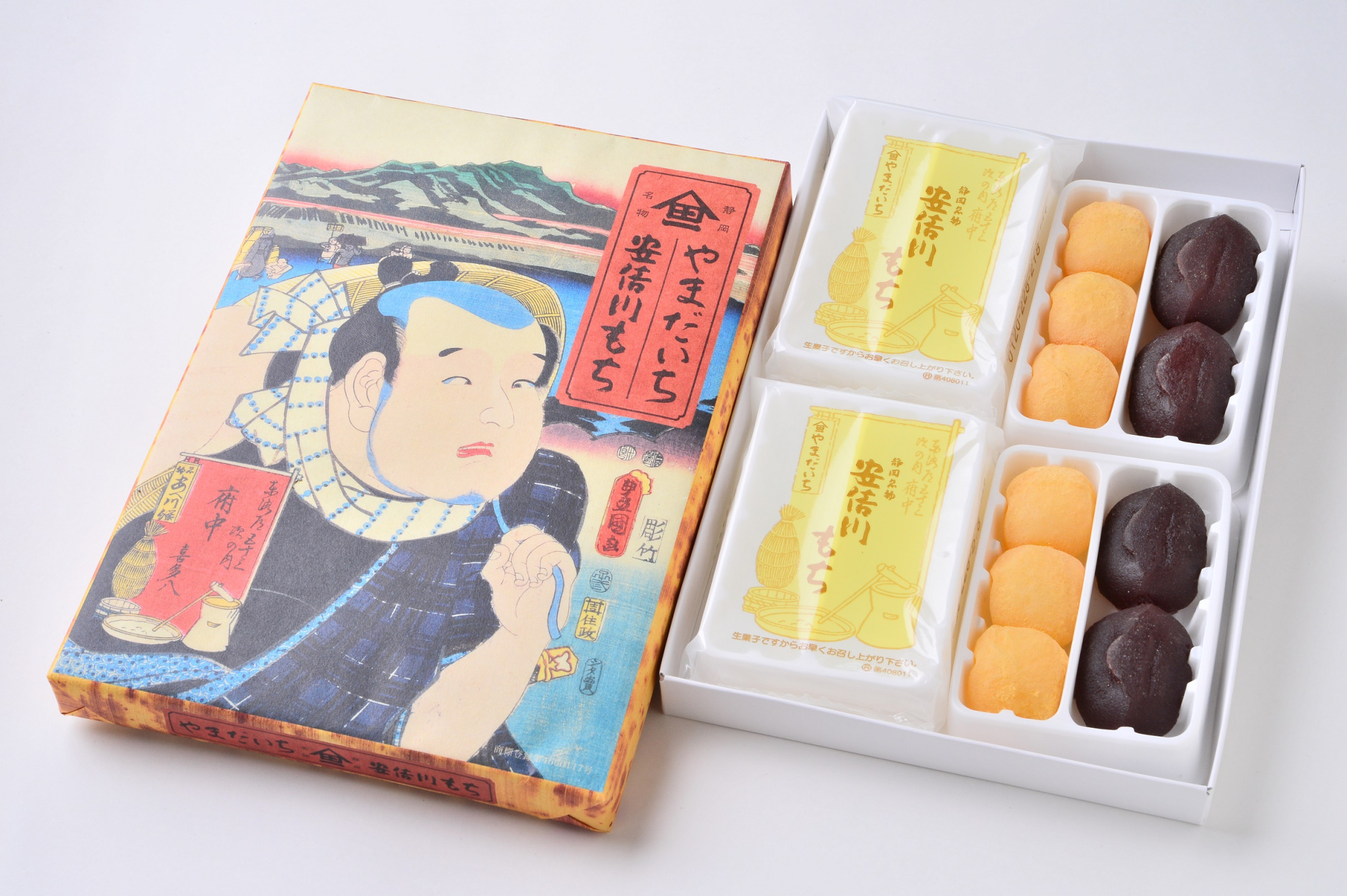
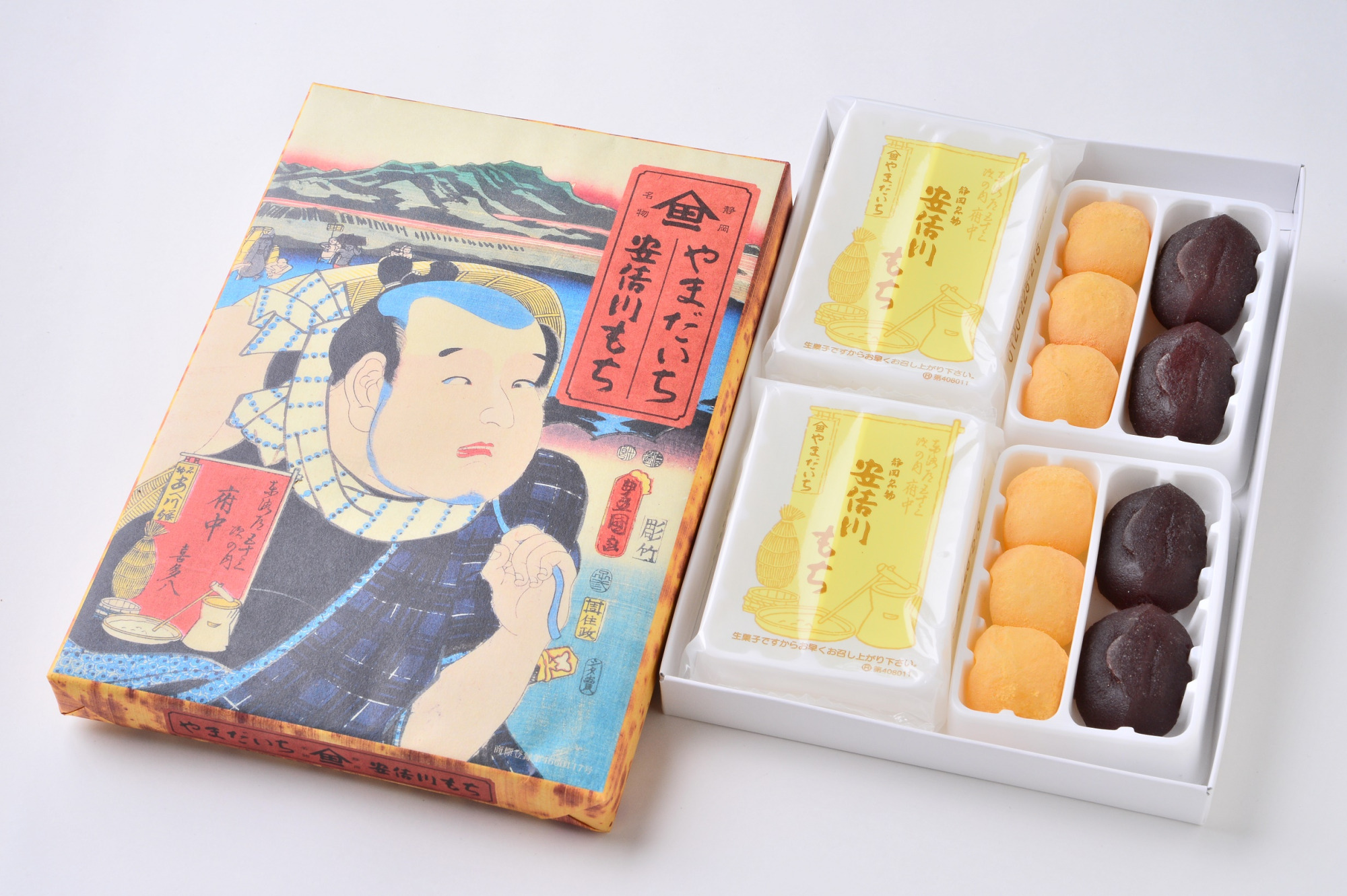
- Wrapping paper featuring "Kita-hachi," one of the main characters from *Tokaidochu Hizakurige* (Yamadaichi)
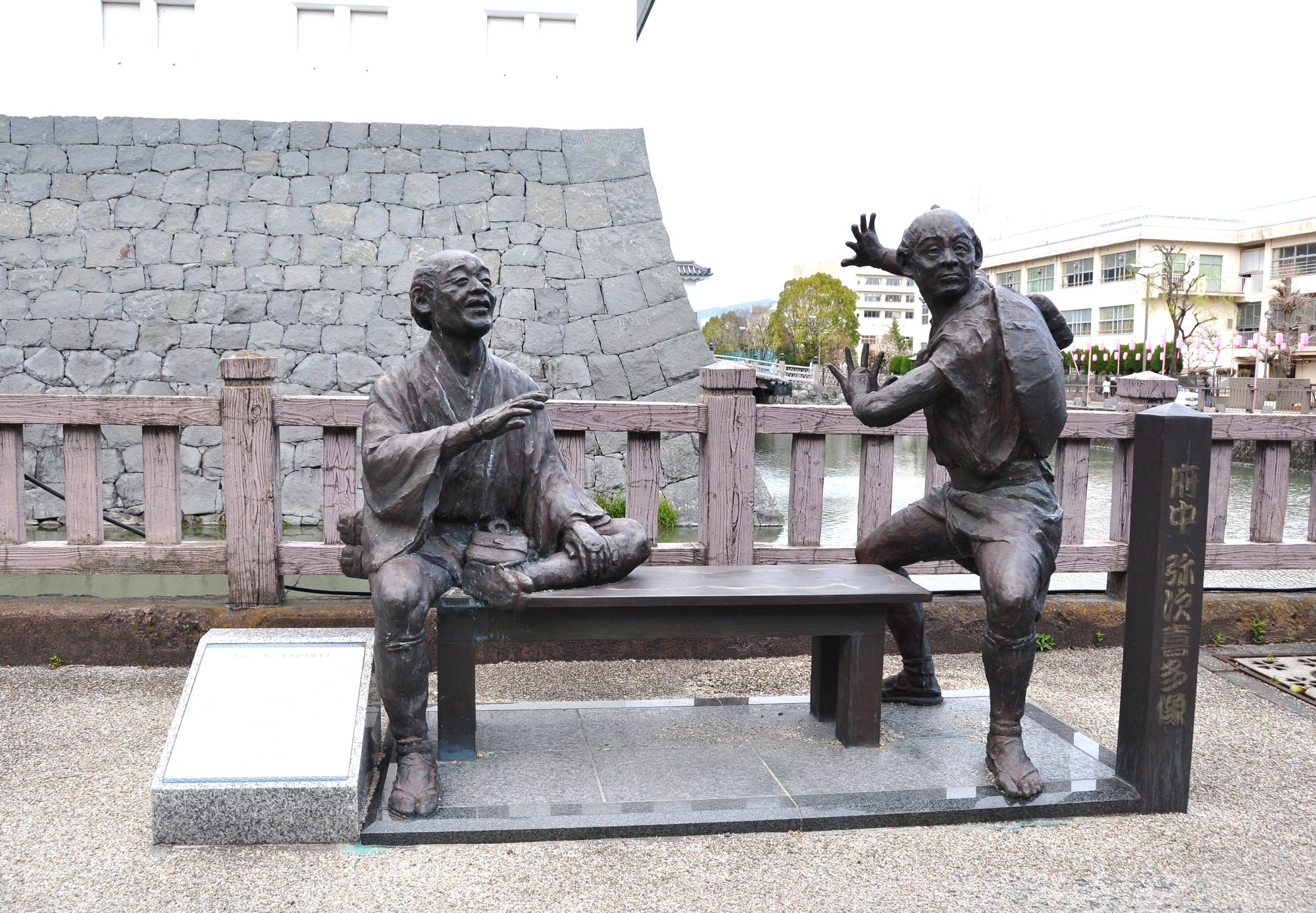
- Statue of Yaji and Kita in front of Sunpu Castle (from *Tokaidochu Hizakurige*)
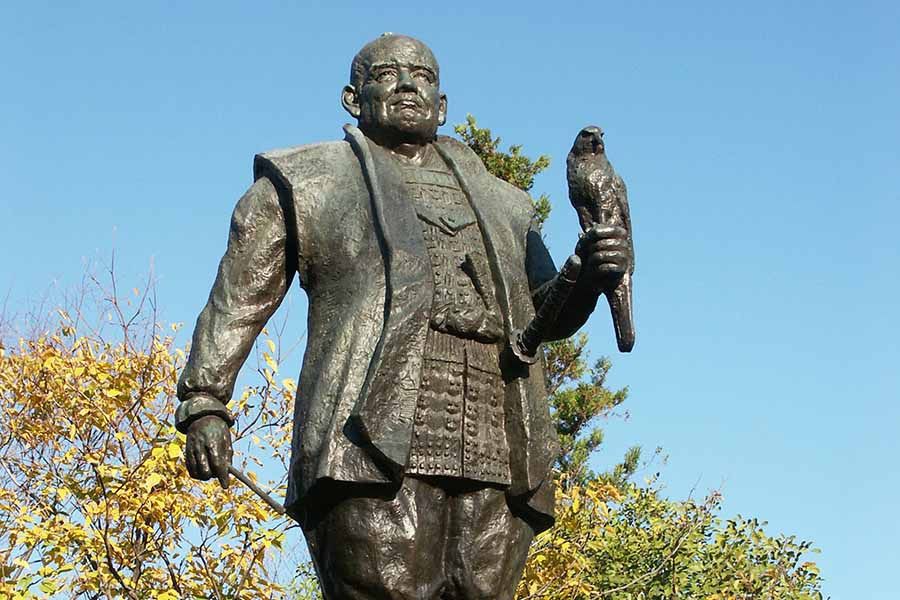
- Statue of Tokugawa Ieyasu
- The Clear Waters of the Abe River and the Scenery of Shizuoka City

There are several theories regarding the origins of Abe River Mochi, but the best-known one is an anecdote involving Tokugawa Ieyasu.
Around the Keicho era, when Tokugawa Ieyasu inspected a gold mine upstream on the Abe River, a local man presented him with mochi dusted with kinako (roasted soybean flour). When asked how it was made, the man replied, “This is ‘Kinpō Mochi’ (Gold Dust Mochi), made by coating it with the gold dust flowing in the Abe River.” Impressed by his wit, Ieyasu is said to have renamed it “Abe River Mochi.”
Although it was a luxurious confection made with expensive white sugar at the time, its delicious taste made it popular among travelers passing along the Tōkaidō, and it gained a reputation as a special snack to soothe their fatigue. It was so widely loved that it even appeared in the late Edo period classic *Tōkaidōchū Hizakurige*.
5 Best Places in Town to Enjoy Abe River Mochi!
- Yamadaichi: The Home of Toro Mochi
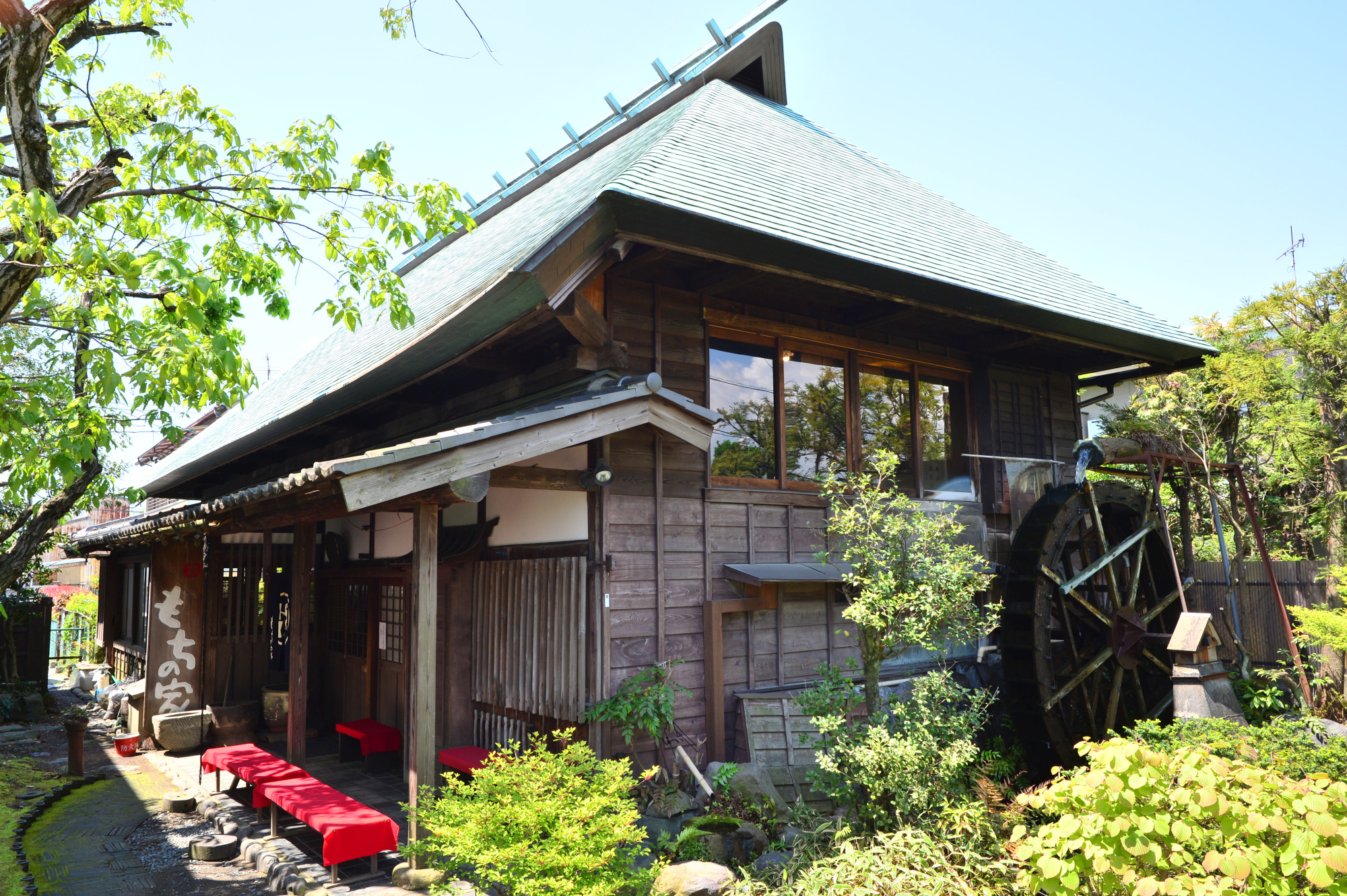
- Yamadaichi: The Home of Toro Mochi
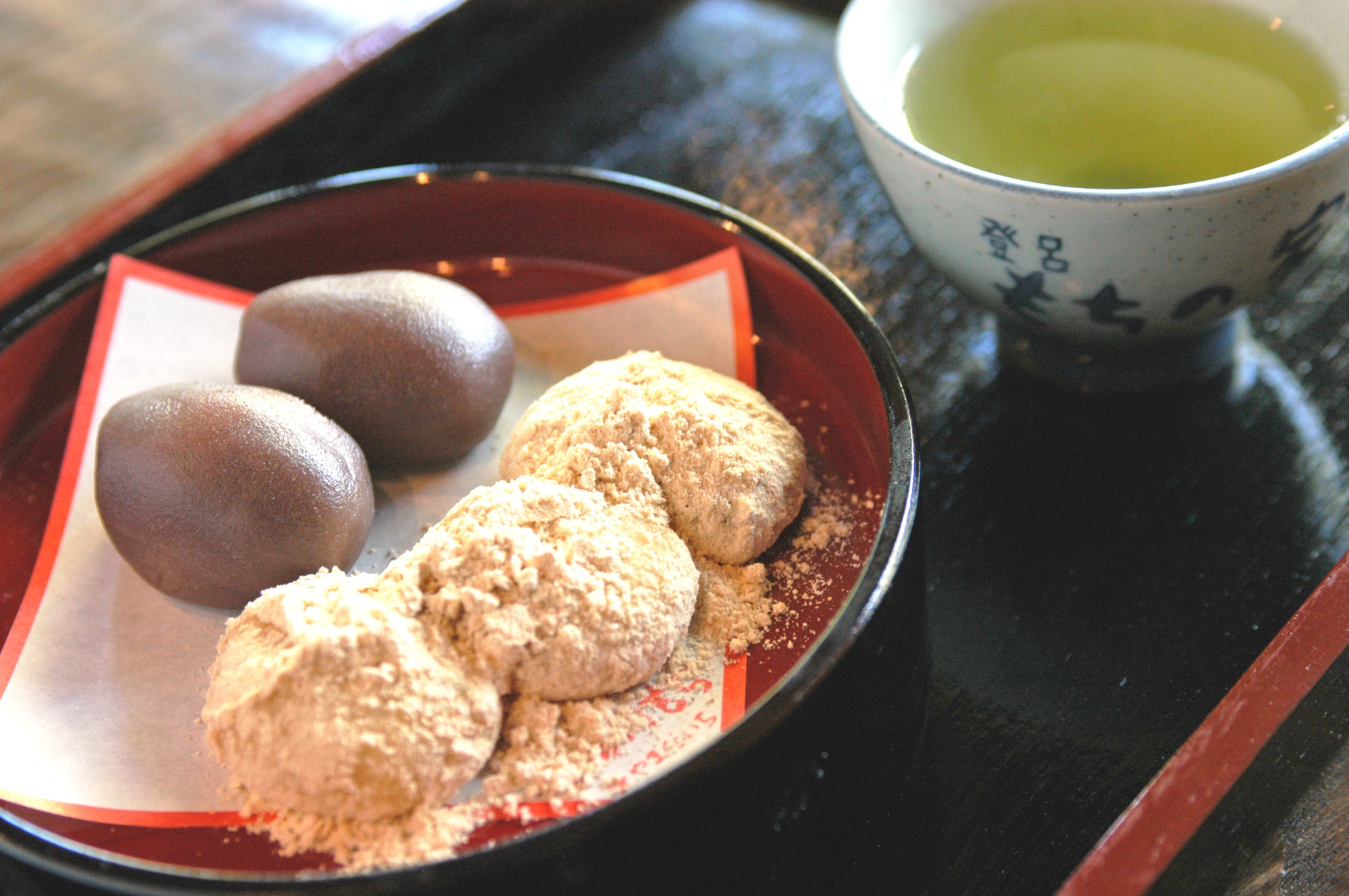
- Yamadaichi: The Home of Toro Mochi
- Shōhakudō
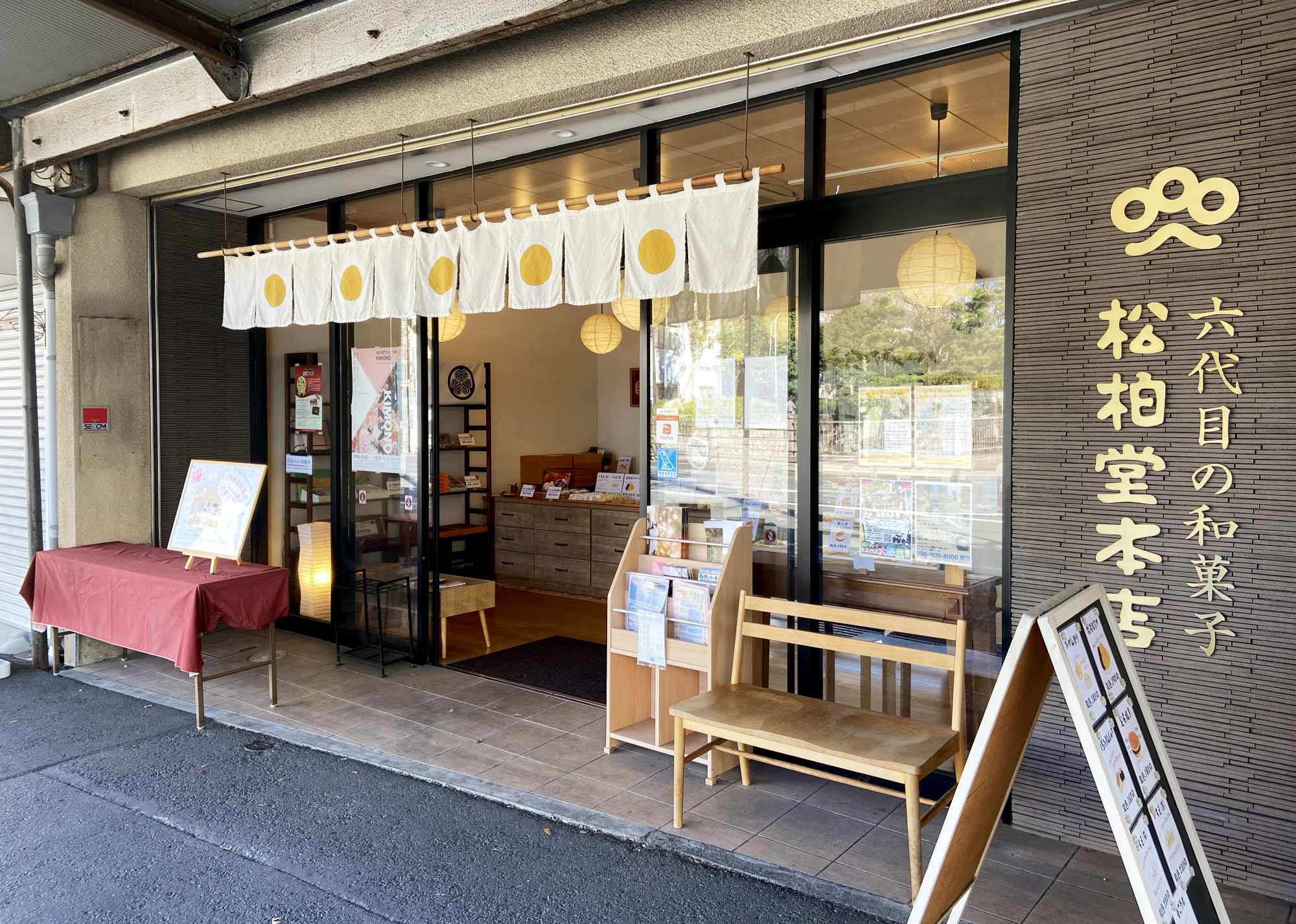
- Shōhakudō
- Shōhakudō
- Kagoya Store
- Kagoya Store
- Ishibuya
- Ishibuya
The delicious taste, once praised by Lord Ieyasu, lives on today, and shops where you can savor authentic Abe River mochi are scattered throughout the city.
At long-established shops and tea houses, you can enjoy them fresh off the grill—their aroma and soft texture are truly exceptional!
Many shops are conveniently located near tourist spots, making them the perfect place to stop for a break during your travels.
- Parche Yamadaichi
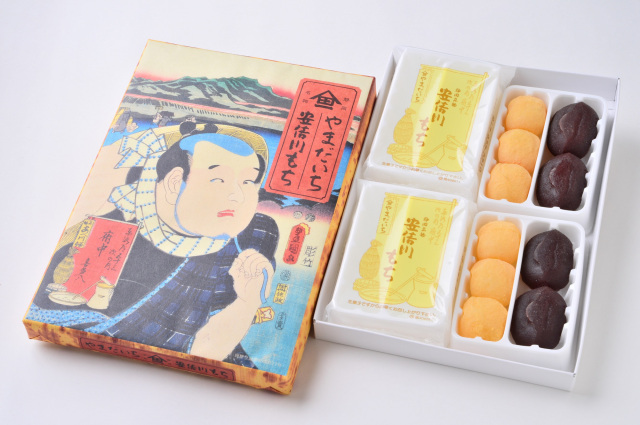
- A long-established shop selling Abe River Mochi inside the Shizuoka Station Building, Parche. The shop was the first to revive Abe River Mochi after World War II, and since its launch in 1950, it has been a beloved staple among Shizuoka souvenirs. Look for the packaging featuring Kita-hachi from *Tokaidochu Hizakurige*; the fact that you can easily pick it up right inside the station is another appealing feature.
- See More
- Shōhakudō
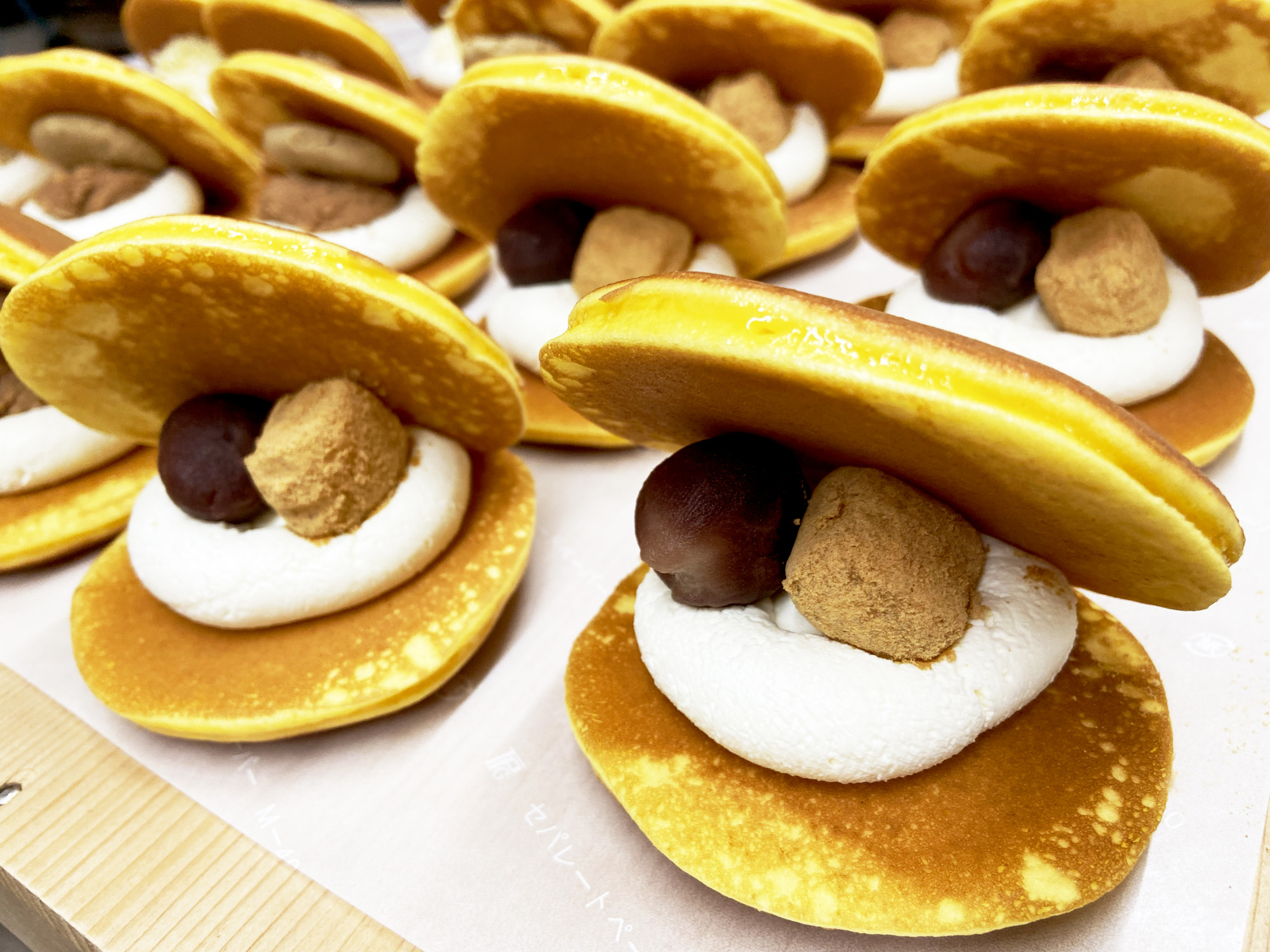
- A long-established Japanese confectionery shop with a history spanning over 150 years. Its individually packaged mini packs are particularly popular, and the shop sells Shizuoka specialties such as Abe River Mochi and fresh cream dorayaki. At the factory outlet, you can purchase Abe River Mochi at a 40% discount.
- See More
- Kagoya
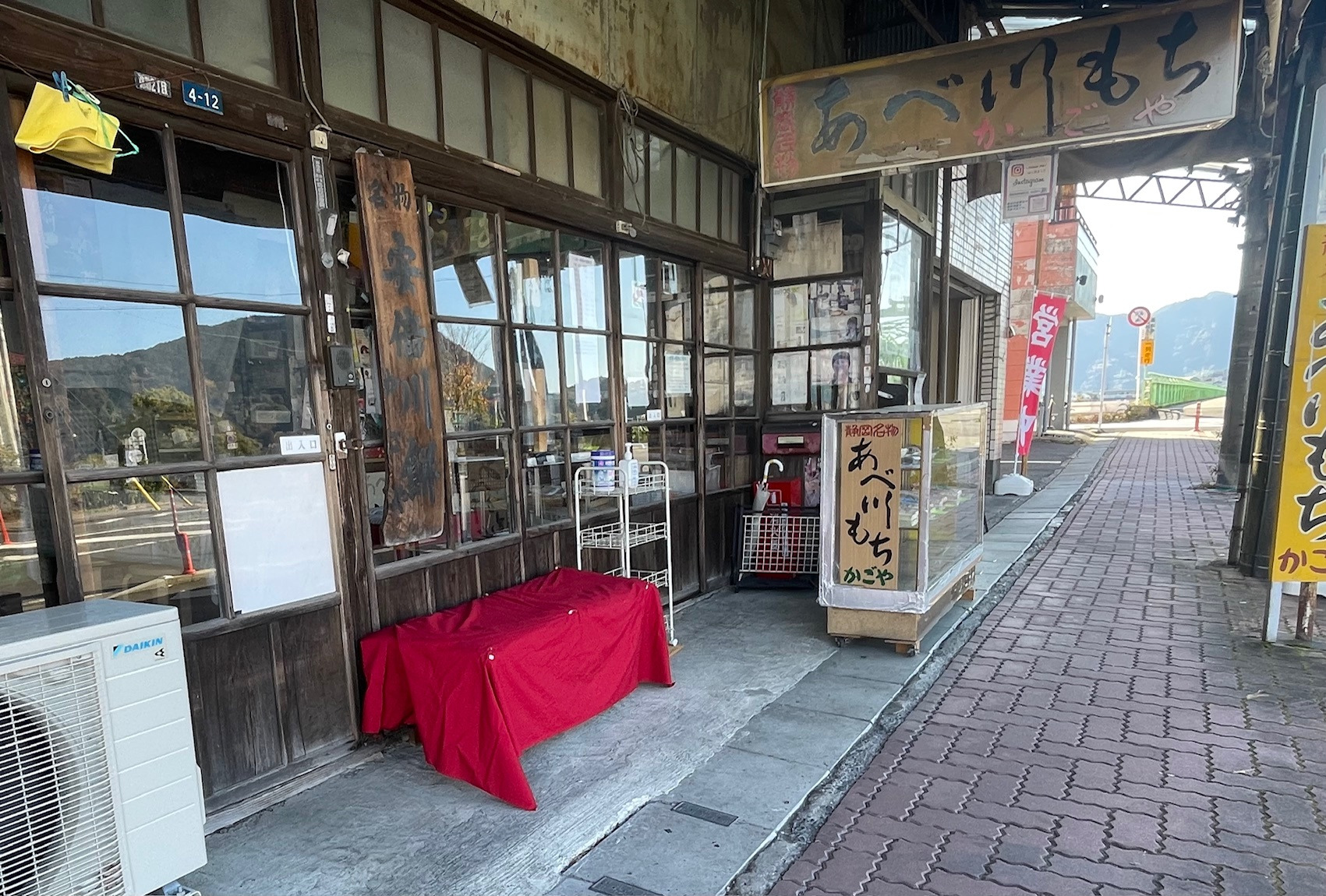
- A small, renowned shop run by an office worker who opens only on Sundays. You can freely combine kinako, smooth red bean paste, and chunky red bean paste; the Abekawa mochi made with chunky red bean paste is a particularly rare treat.
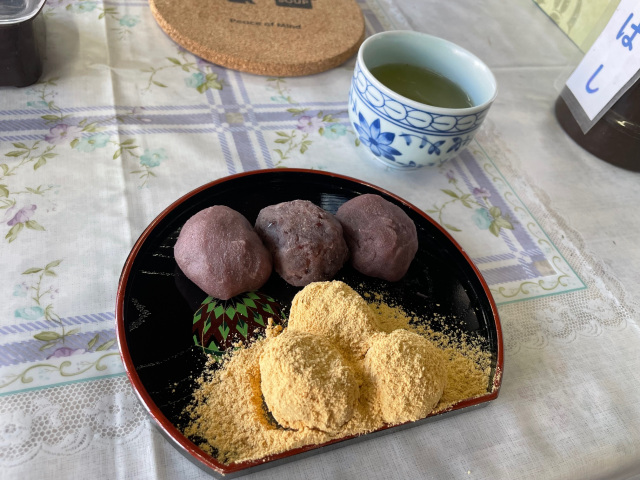
- See More
- Ishibuya
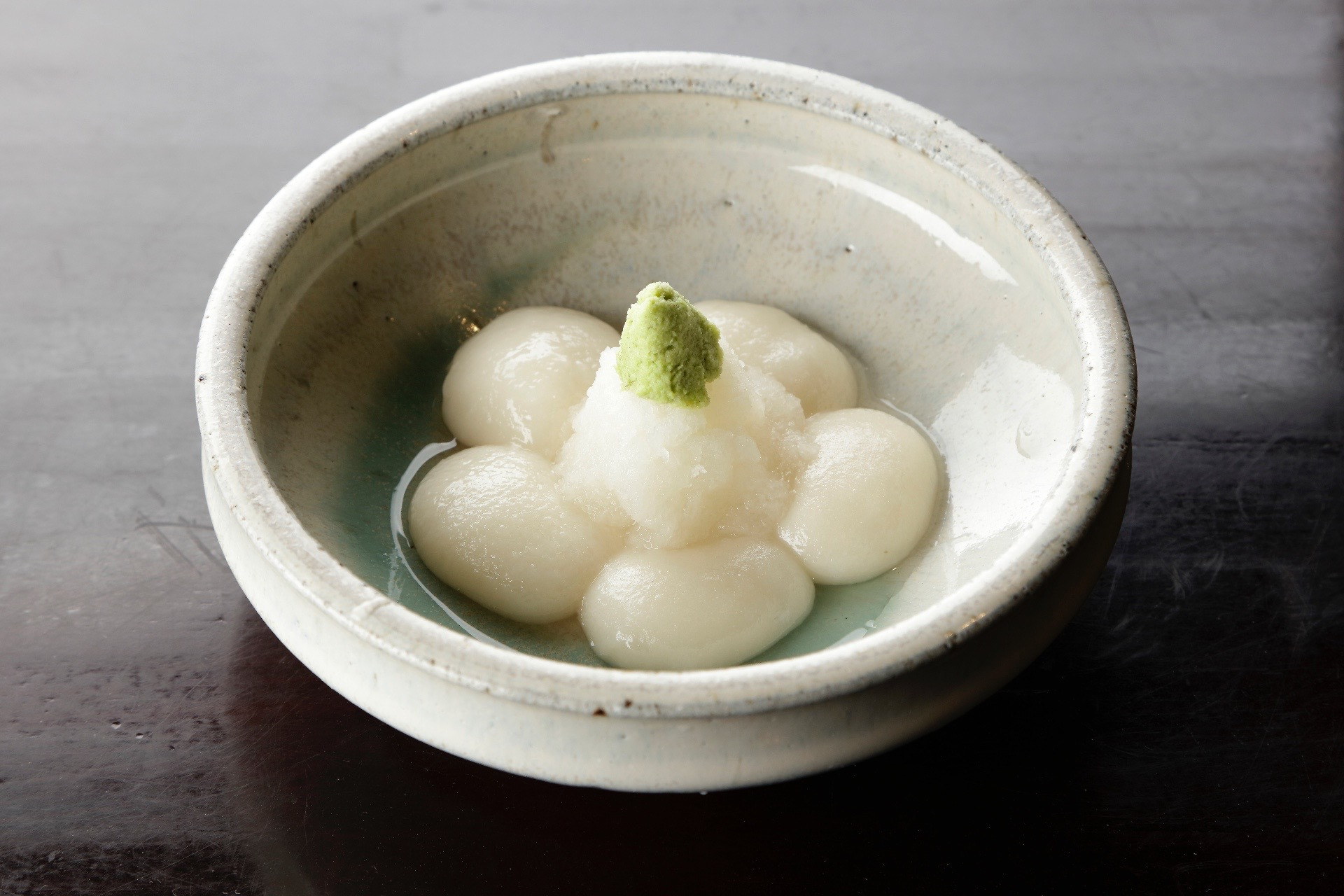
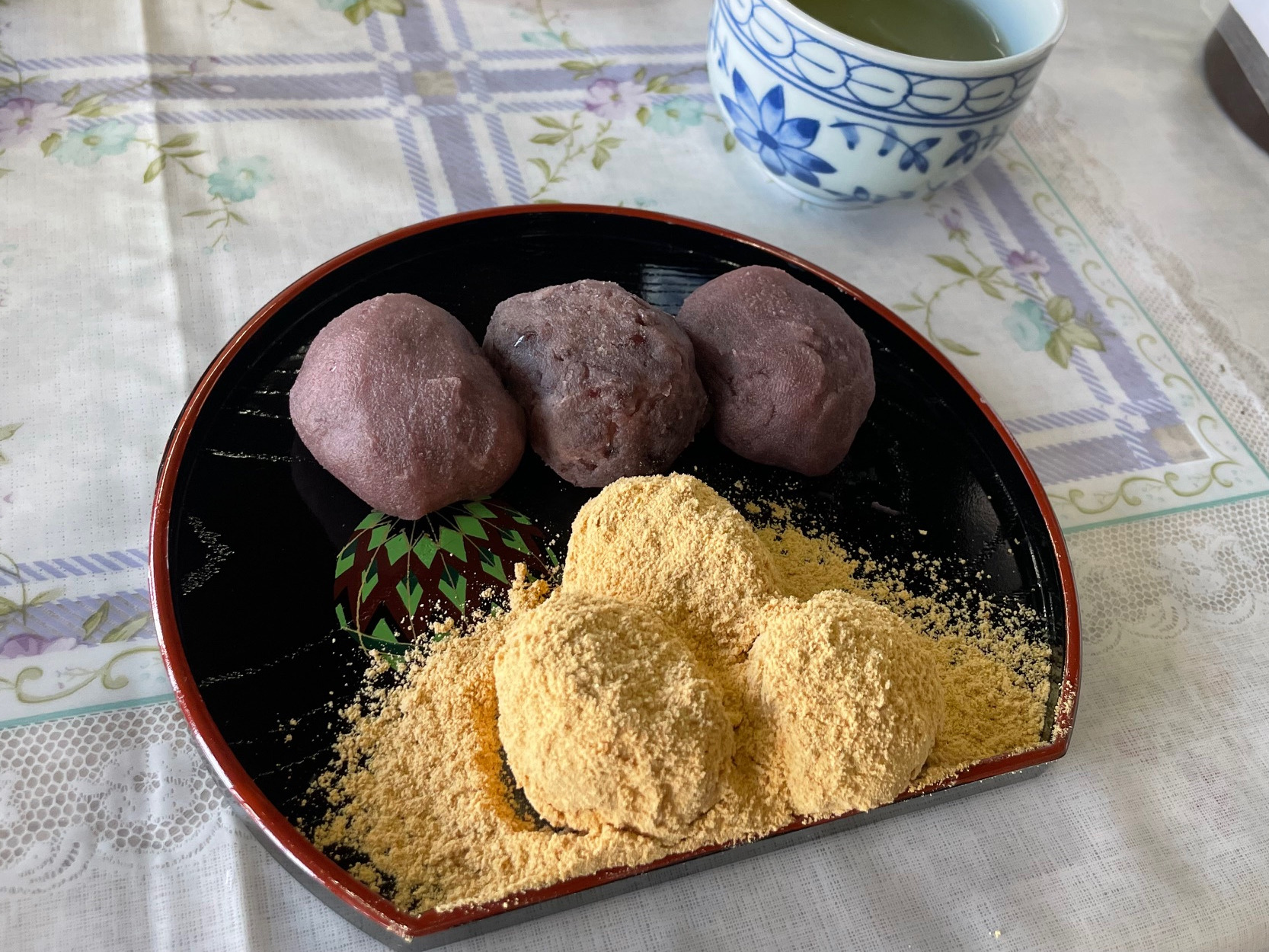
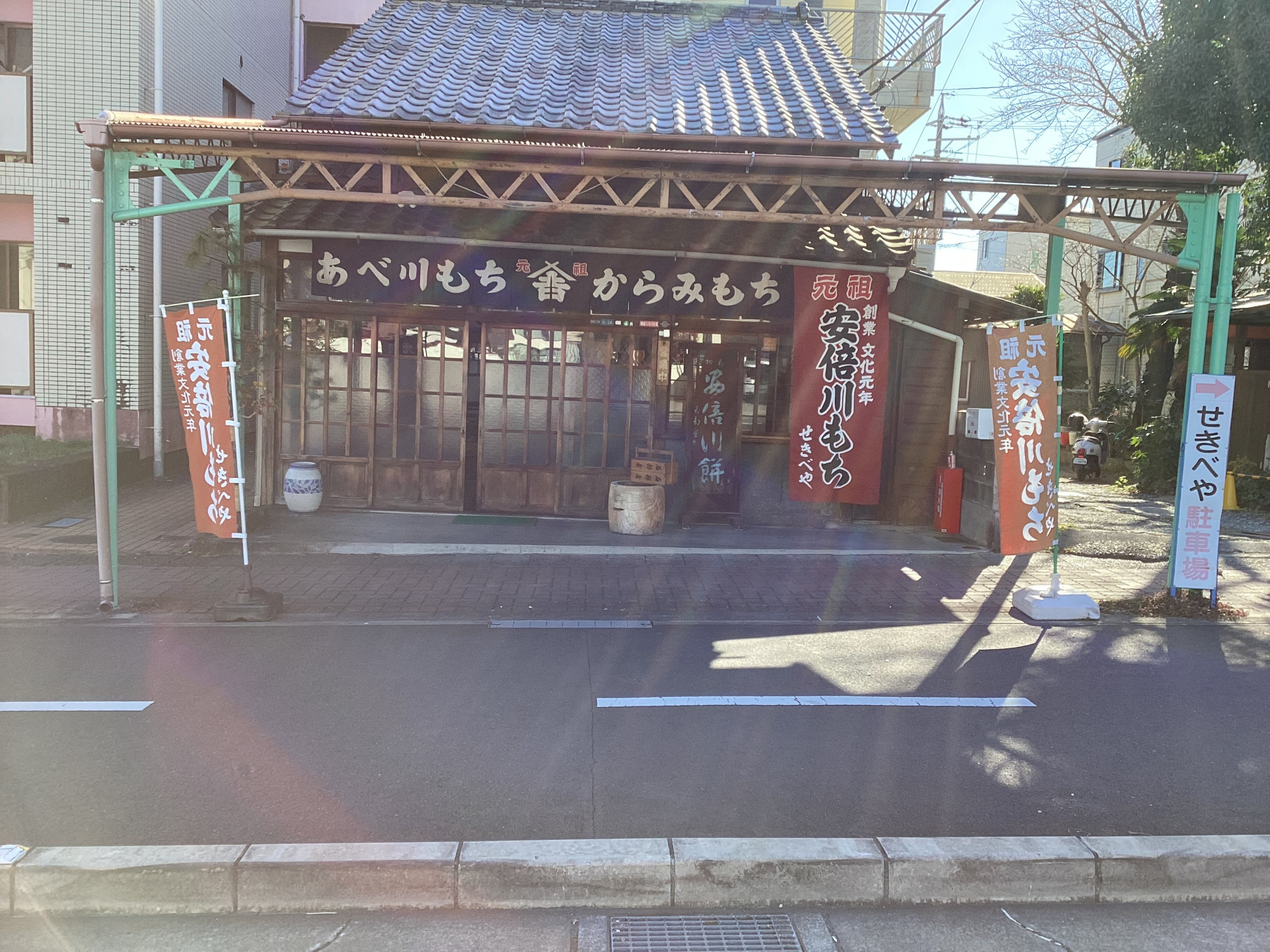
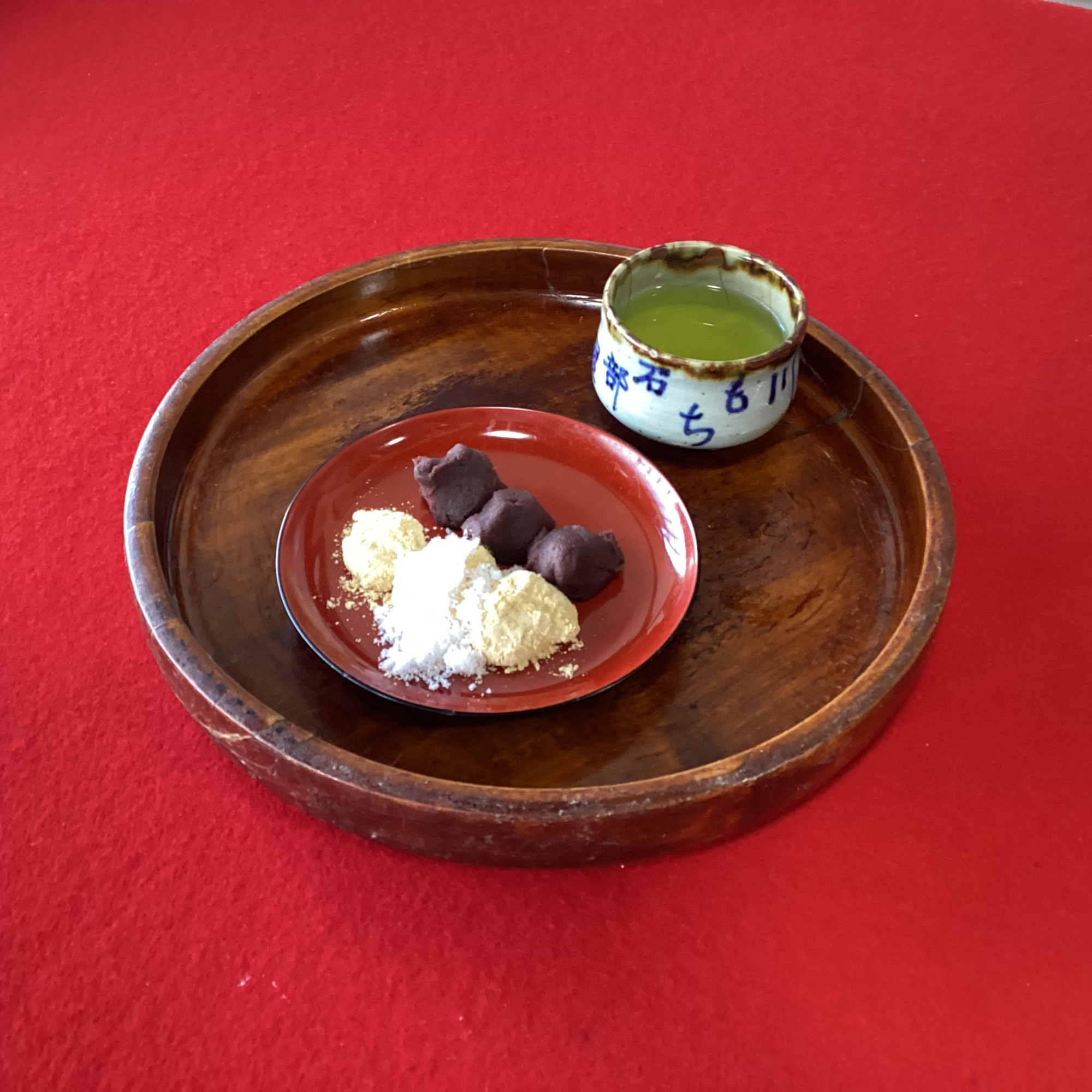
- This long-established shop, boasting over 200 years of history, serves freshly made "Abekawa Mochi"—a combination of kinako (roasted soybean flour) and smooth red bean paste—as well as "Karami Mochi," which is enjoyed with wasabi soy sauce. Another charm of the place is the opportunity to savor these treats in a nostalgic atmosphere, surrounded by historic photographs and traditional interior decor.
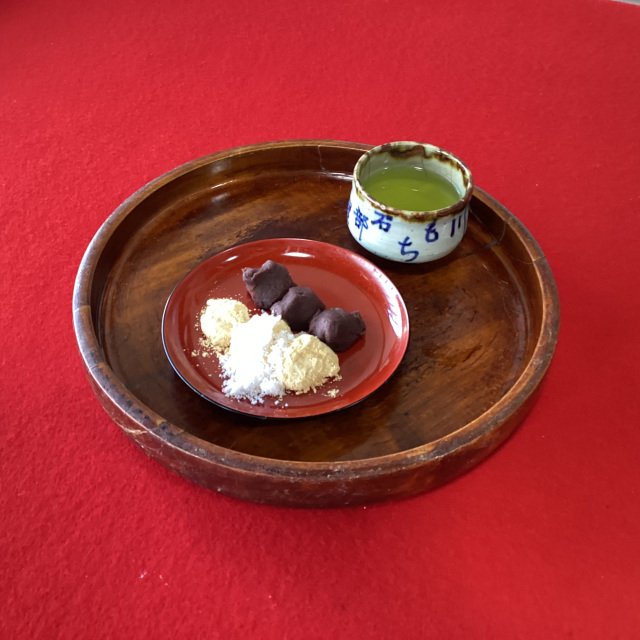
- See More
Map of Abe River Mochi Shops
Trip Route
- Parche Shizuoka Station Building
- Shōhakudō Main Store: Sixth-Generation Japanese Sweets
- Maruhiko Shouhakudo Main Store, Magane Branch
- Kagoya
- Ishibuya
If you load Google Map beyond the daily limit, it may not display correctly.
Let's try making Abe River Mochi!
With just a few ingredients and a simple preparation method, we hope you’ll enjoy making this at home.
[Ingredients (Serves 4)]
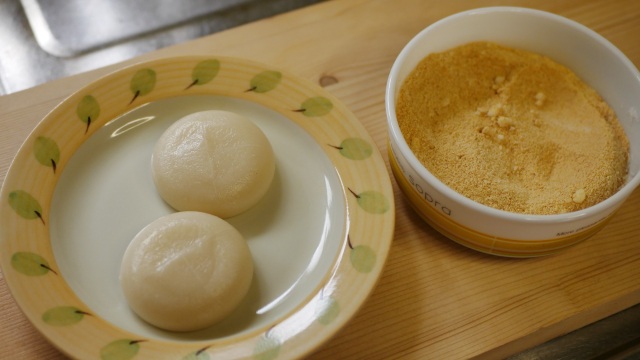
・Sliced mochi: 8 pieces
・Kinako (roasted soybean flour): 40g
・Sugar: to taste
・Salt: a pinch
[Instructions]
1. Add sugar and salt to the kinako, and mix well until evenly combined.
2. Grill the mochi, then briefly dip it in hot water to soften it.
3. While still warm, generously coat with the kinako mixture from step 1, and it’s ready to serve.
The toasty aroma of the freshly made mochi combined with the gentle sweetness of the kinako creates a simple yet nostalgic flavor. Enjoy this “Homemade Abe River Mochi,” which offers a slightly different twist from the authentic flavors you might find while traveling.
Don't miss the other local sweets besides Abe River Mochi!
In addition to Abe River Mochi, Shizuoka City is home to other charming traditional sweets rooted in the local culture.
In particular, “Oiwake Yokan” and “Usagi Mochi” have been beloved alongside Abe River Mochi as the “Three Great Specialties of Suruga” since the Edo period.
In addition to these, we’d also like to introduce “Yubi Manju,” a confection associated with Shimizu Jirocho, who made a name for himself as a legendary outlaw of Shimizu.
① Oiwake Yokan
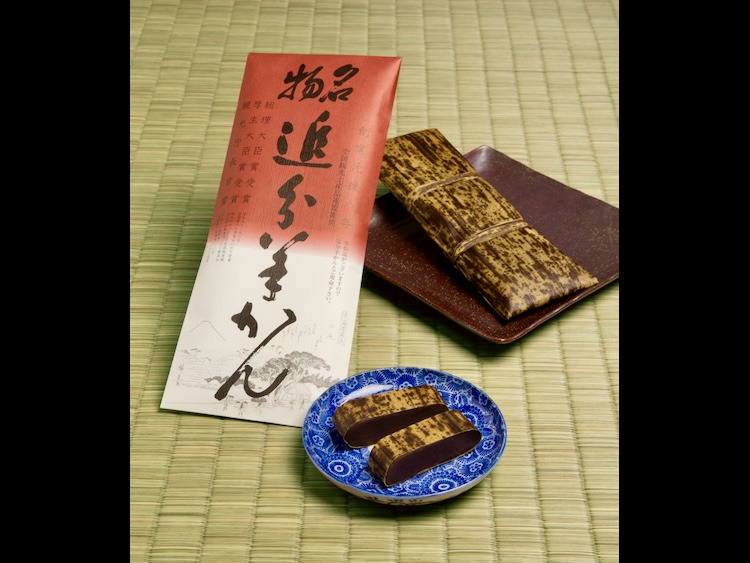
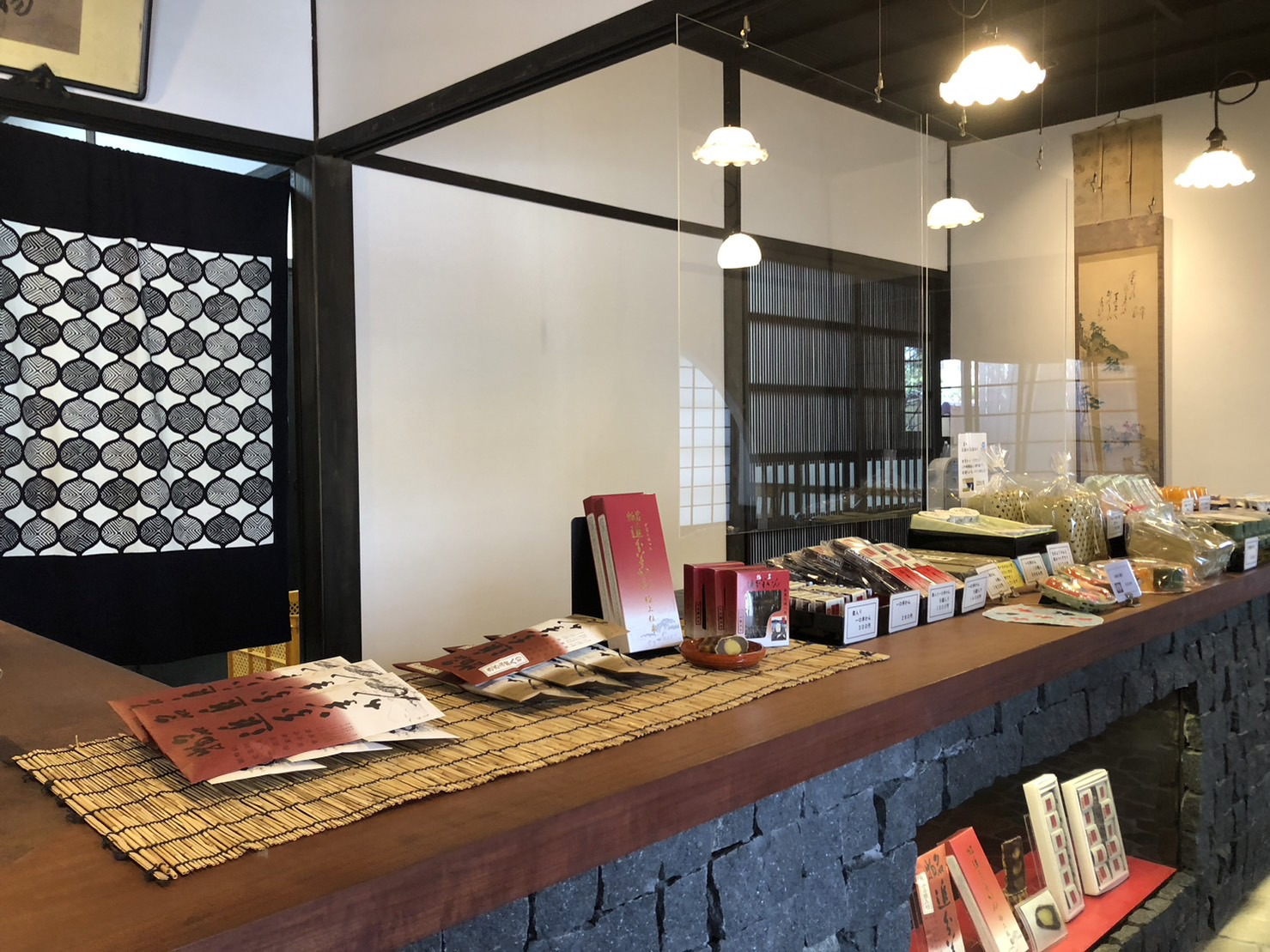
Oiwake Yokan, which gained popularity in the post town of Oiwake along the Tokaido Road, is a traditional flavor that has been preserved for over 300 years by the Oiwake Yokan Main Store, a long-established shop founded in 1695. It was enjoyed by feudal lords on their sankin-kotai pilgrimages and travelers alike, and it is said that Tokugawa Yoshinobu, the 15th shogun who lived in seclusion in Shizuoka, was particularly fond of it.
Wrapped in bamboo leaves, the yokan absorbs a subtle bamboo aroma during steaming, which complements the mildly sweet, chewy bean paste filling. Hand-wrapped and steamed by skilled artisans, this renowned confection preserves the same flavor that has remained unchanged since the Edo period.
Oiwake Yokan Main Store: Basic Information
Address: 2-13-21 Oiwake, Shimizu Ward, Shizuoka City
TEL 054-366-3257
Business Hours 9:30 AM–3:30 PM
Closed: Sundays and Mondays
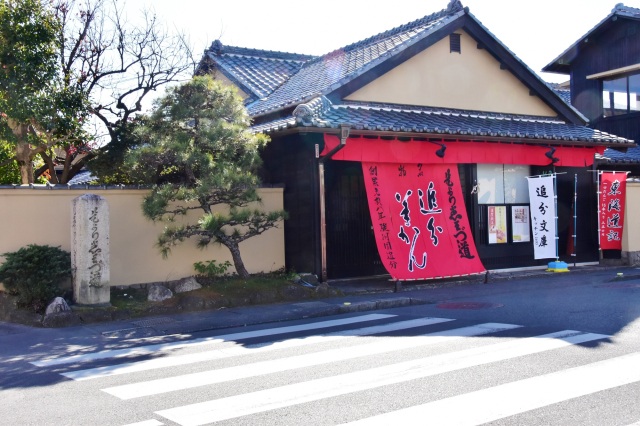
② Rabbit Mochi
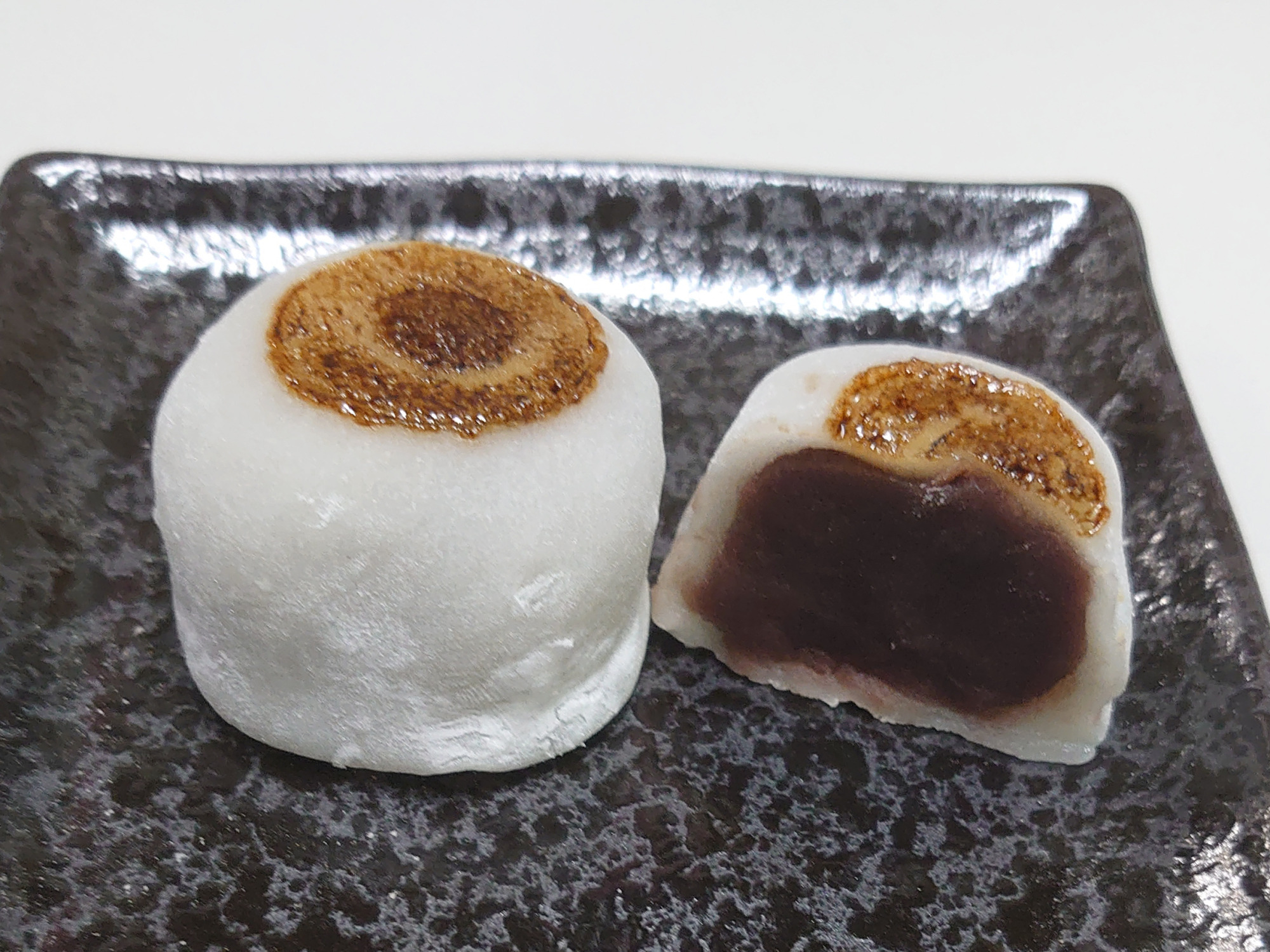
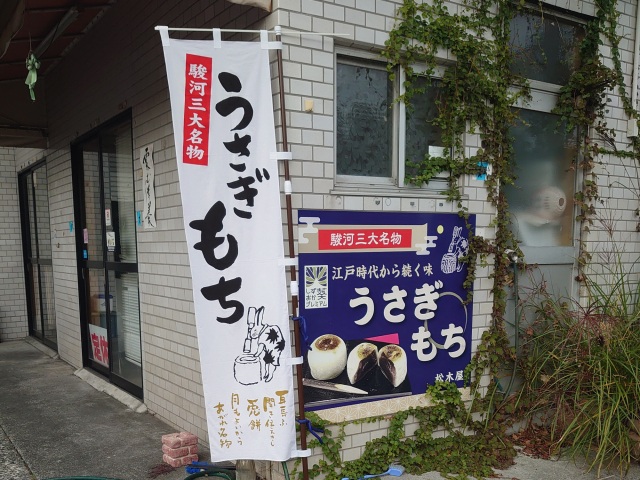
Usagi Mochi is a traditional rice cake originating from Furusho in Aoi Ward, Shizuoka City. It features a thin layer of mochi wrapped around red bean paste and is characterized by its charming appearance, marked with a full moon stamp.
It is said that the name derives from a rabbit that was once kept next to a tea shop that sold mochi.
In the late Edo period, its reputation spread through a poem composed by the kyoka poet Ota Nanpo (also known as Shokusanin), and it became a favorite among travelers passing along the Tokaido Road.
Although it disappeared for a time, it was revived in 1994 by Shizuoka Isetan and Matsukiya, driven by a strong desire to “keep the tradition alive.”
Matsukiya Nishiwaki Branch: Basic Information
Address: 1058-1 Nishiwaki, Suruga-ku, Shizuoka City, Shizuoka Prefecture
TEL 054-284-2955
Business Hours 9:00 AM–6:00 PM
Closed Wednesdays
③ Finger-shaped buns
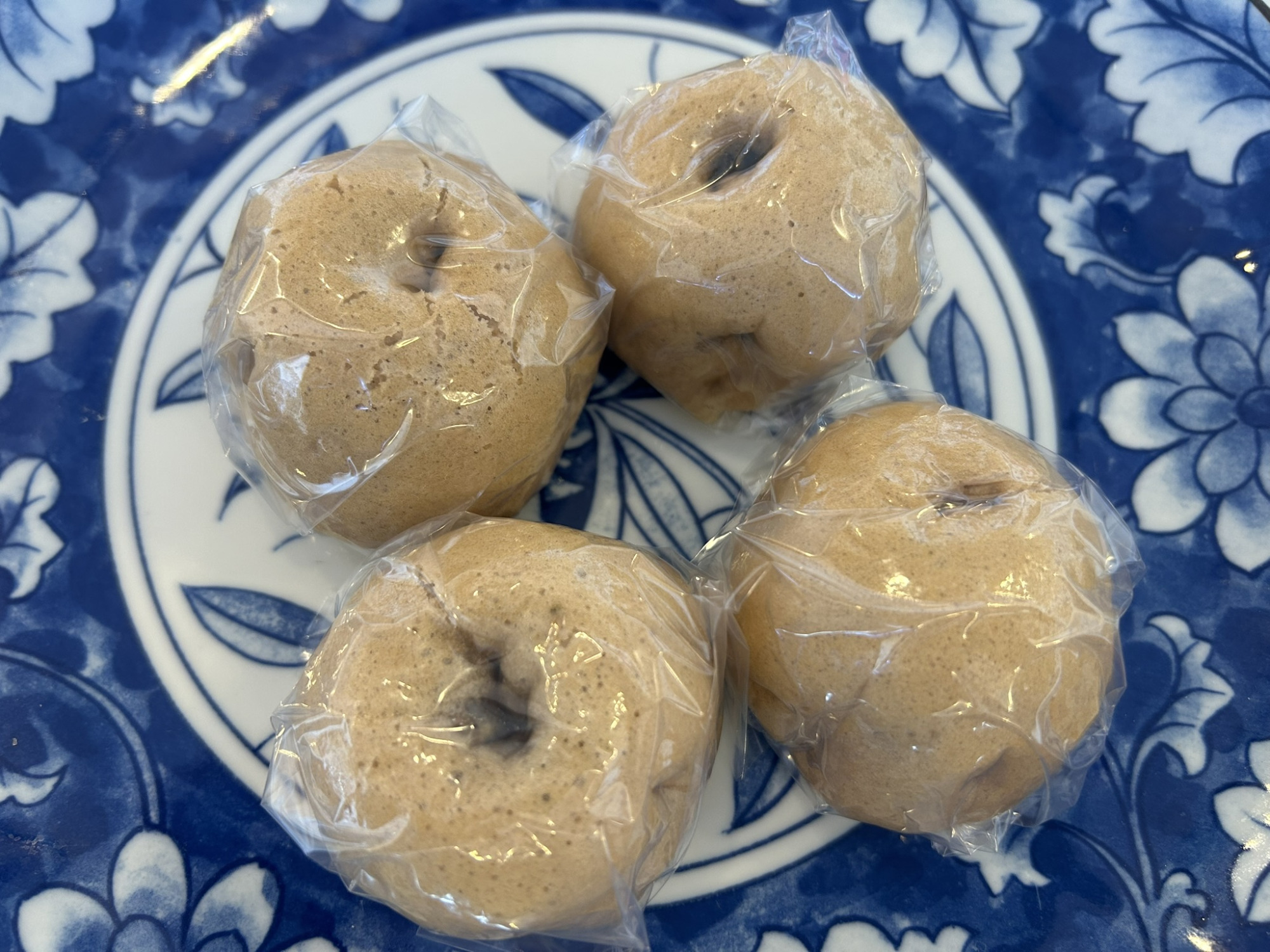
- Sweet red bean paste with fingerprints on it
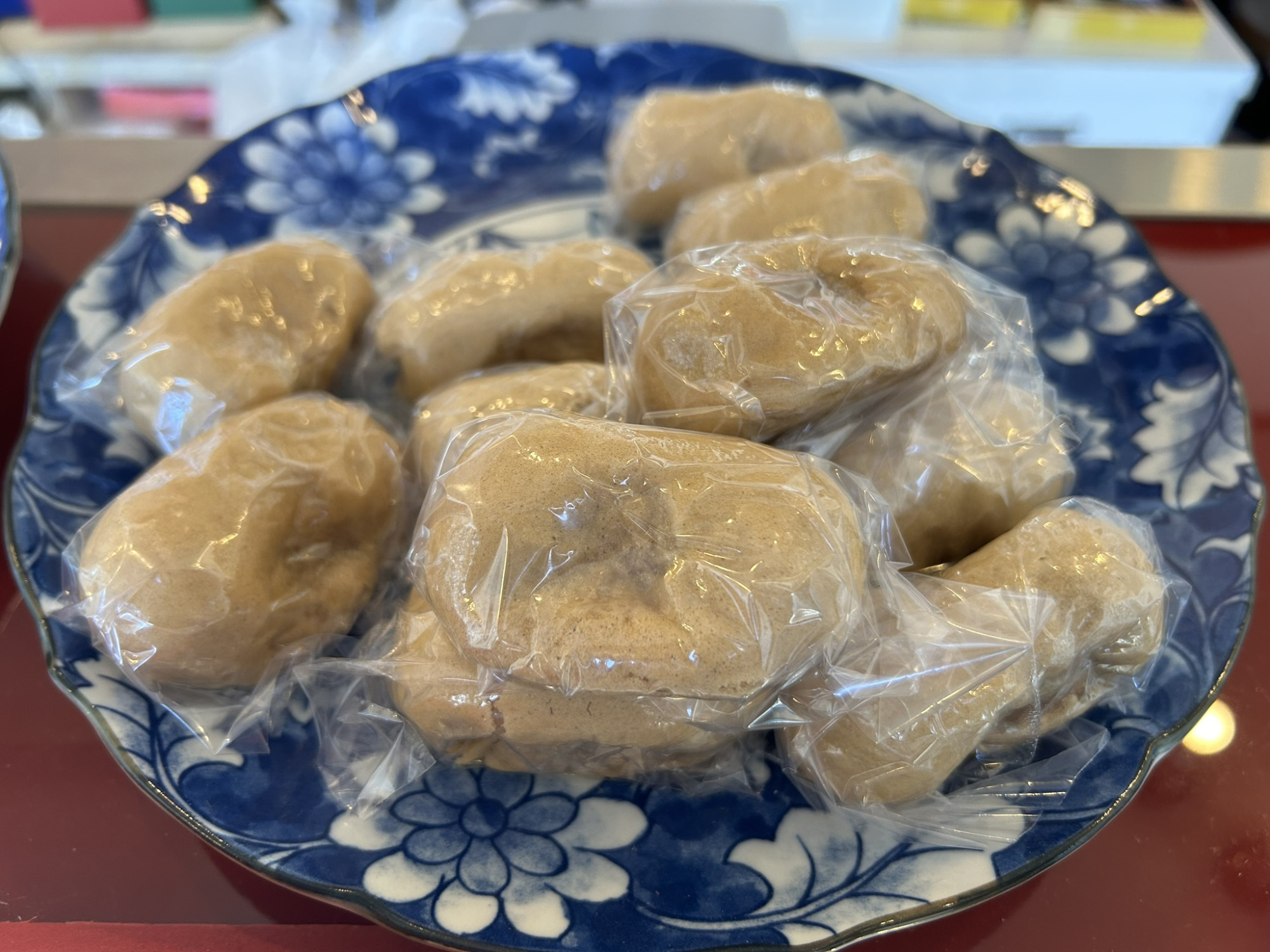
- Miso sauce with marks where it was pinched from the side
- *Prices as of January 2026
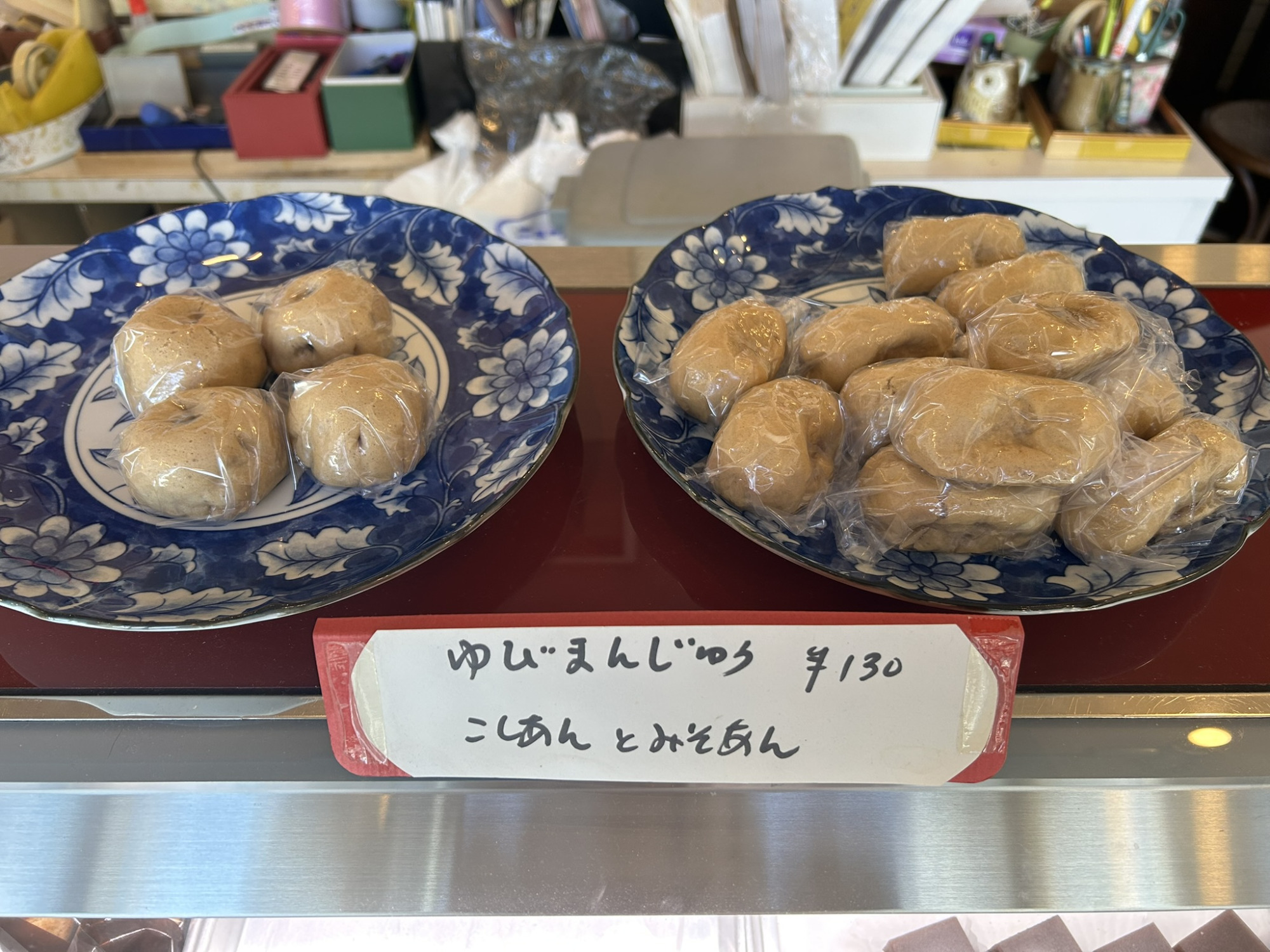
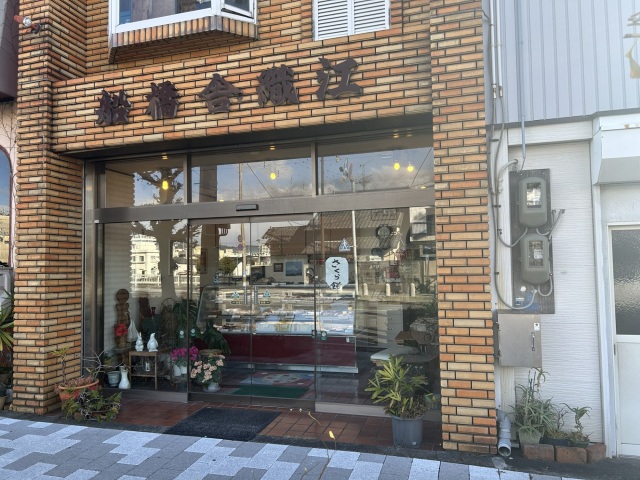
These manju, associated with Shimizu Jirocho, are made by Funabashi-sha Orie, a shop founded in 1808.
The name originates from an anecdote in which Shimizu Jirocho—known as the greatest gang leader in the Tokaido region—appeared at the factory, squished the manju one after another with his fingers, declared them “unfit for sale,” took them away, and distributed them to children. To this day, that story remains the hallmark of this famous confection.
The product comes in two varieties: one with a smooth red bean paste filling pressed down in the center, and another with a miso bean paste filling pinched from the side, making it a unique manju that evokes a sense of history.
Funabashi Saori: Basic Information
Address: 1-20 Kami 2-chome, Shimizu-ku, Shizuoka City, Shizuoka Prefecture
TEL 054-352-6915
Business Hours 9:00 AM–6:30 PM
Closed Wednesdays
It goes perfectly with Shizuoka tea!
Shizuoka tea is the perfect accompaniment to the sweets of Shizuoka, a region renowned for its tea. After savoring the gentle sweetness of Abe River mochi or yōkan, take a sip of Shizuoka tea—with its refreshing astringency and deep umami—and you’ll find your palate refreshed, with the flavors of both complementing each other beautifully.
We invite you to take your time and savor this pairing of time-honored sweets and fragrant Shizuoka tea.
Map of Other Stores
Trip Route
- Oiwake Yokan Honpo
- Matsukiya Nishiwaki Branch
- Funabashi Saori
If you load Google Map beyond the daily limit, it may not display correctly.
Summary
Shizuoka City is home to a wide variety of traditional sweets that embody the region’s history and culture, including Abe River Mochi, Oiwake Yokan, Usagi Mochi, and Yubi Manju.
Each offers a unique flavor unique to Shizuoka City that has been loved for generations, making them perfect as travel souvenirs or mementos of your trip.
When you visit Shizuoka City, be sure to try these sweet treats.
If you’d like to enjoy Shizuoka City even more, be sure to check out our “First-Time Visitors to Shizuoka City” feature! You can find all the sightseeing and dining information you need in one place.
![[Souvenir Special] Souvenirs You Can Buy at Shizuoka Station](/lsc/upfile/article/0000/0205/205_1_m.jpg)