Shizuoka City Food Guide: A Comprehensive Look at Everything from Oden and Seafood to Shizuoka Tea, Organized by Category
If you want to enjoy the best of both the sea and the mountains, head to Shizuoka City!
From exquisite seafood lunches featuring Suruga Bay’s “jewels”—sakura shrimp and shirasu—to piping-hot “Shizuoka oden” steeped in rich broth,
Plus, from “tororo-jiru” (grated yam soup), a tradition dating back to the Edo period, to authentic “wasabi” cuisine, Shizuoka City is truly a food lover’s paradise.
From classic favorites to hidden gems known only to locals, we’ve carefully curated a selection of Shizuoka City’s “delicious treats”!
Table of Contents
Open Table of Contents
- What kind of food can you find in Shizuoka City?
- Shizuoka’s soul food! Shizuoka oden
- The fish caught in Suruga Bay—Japan’s deepest bay—are truly exceptional! Shizuoka City’s pride and joy: seafood cuisine
- A traditional tororo soup that has been passed down since the Edo period
- Wasabi from Shizuoka City—even Tokugawa Ieyasu praised it⁉
- Shizuoka City’s Local Delicacy! Shimizu Motsu Curry
- Juicy and fresh! Shizuoka City’s pride and joy
- Don't miss out on the sweets made with Shizuoka tea!
- A traditional confectionery from Shizuoka City that continues to be loved by locals
- Summary
What kind of food can you find in Shizuoka City?
- Shizuoka Oden
- Grated Yam Soup
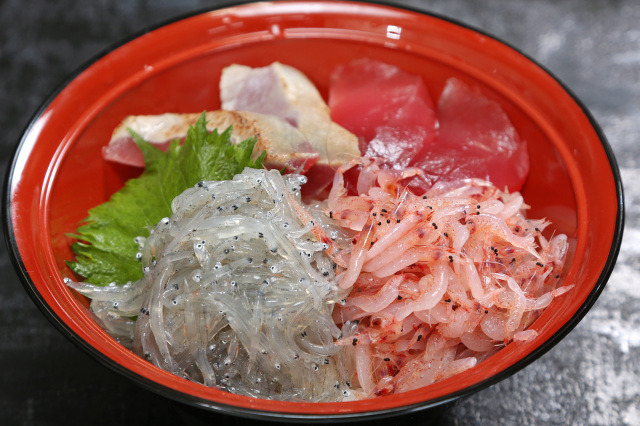
- Seafood such as cherry shrimp and whitebait
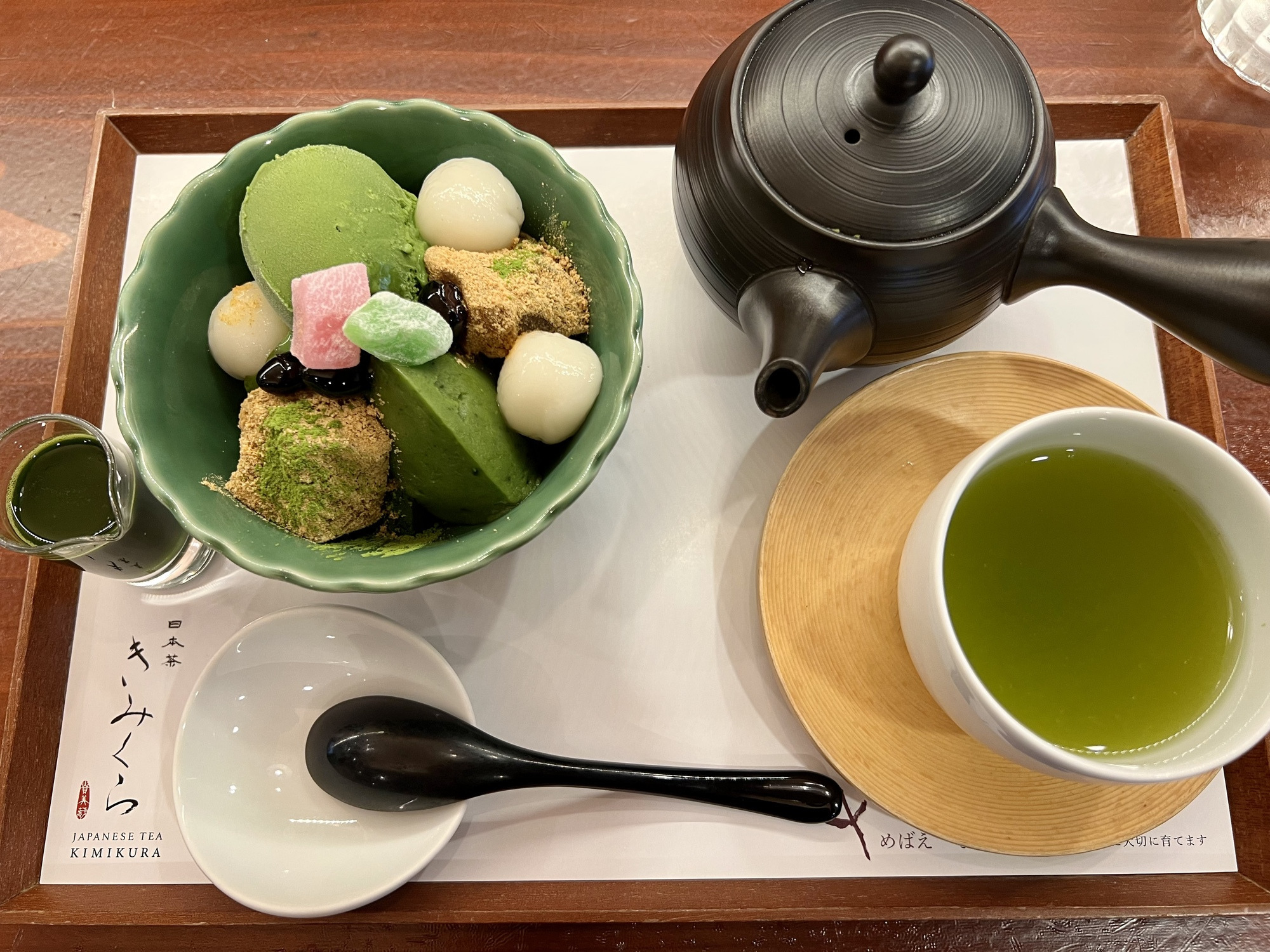
- Desserts made with Shizuoka tea
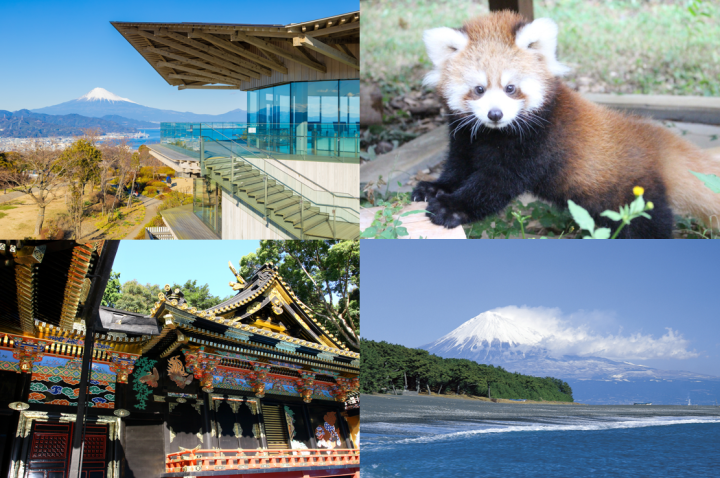
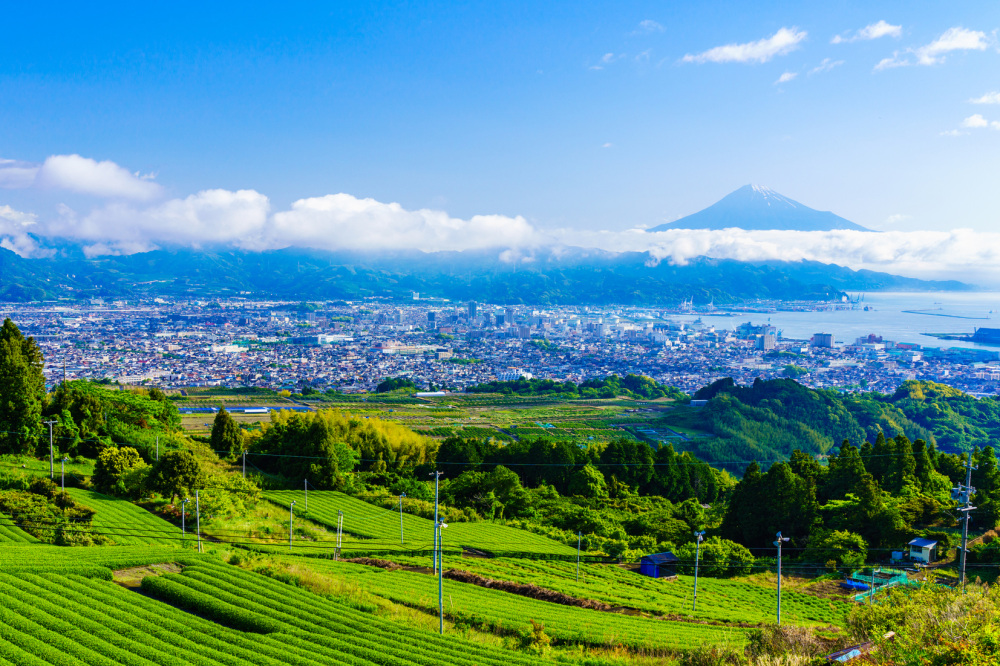
Mount Fuji, Japan’s tallest mountain, and Suruga Bay, Japan’s deepest bay.
Surrounded by this extraordinary natural beauty, Shizuoka City has preserved its long-standing traditional culinary culture.
From “Shizuoka Oden,” characterized by its jet-black broth, to “sakura ebi” and “shirasu” caught in Suruga Bay, and “tororo-jiru” with its 400-year history, the city is rich in local specialties tied to its history.
Furthermore, as Japan’s premier tea-producing region, Shizuoka offers a wide variety of innovative tea-based sweets that go beyond simply “drinking” tea.
We invite you on a culinary journey through Shizuoka City, where distinctive cuisines rooted in the mountains, the sea, and the city itself await.
Shizuoka’s soul food! Shizuoka oden
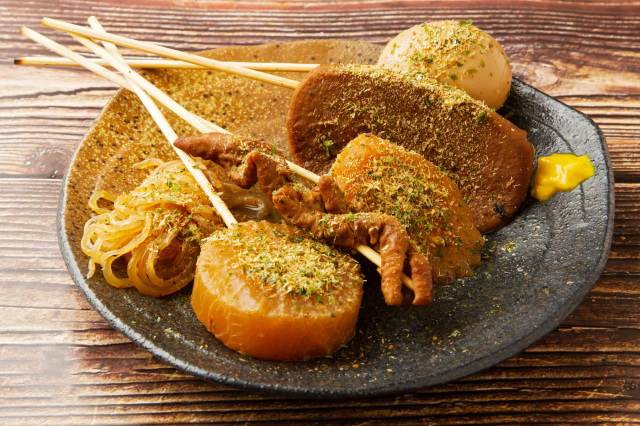
- Shizuoka Oden (Image)
- Shizuoka Oden (Image)
- Aoba Oden Street
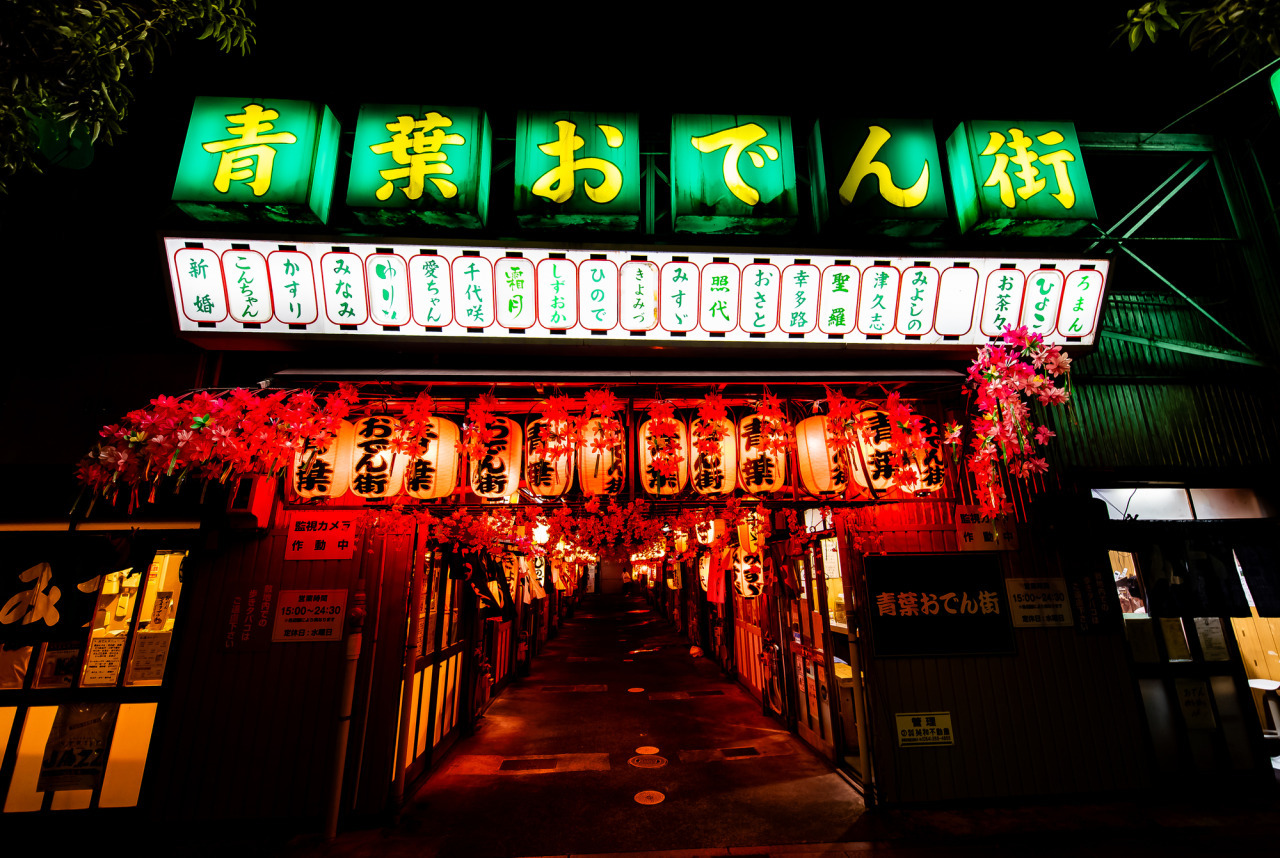
- Aoba Yokocho
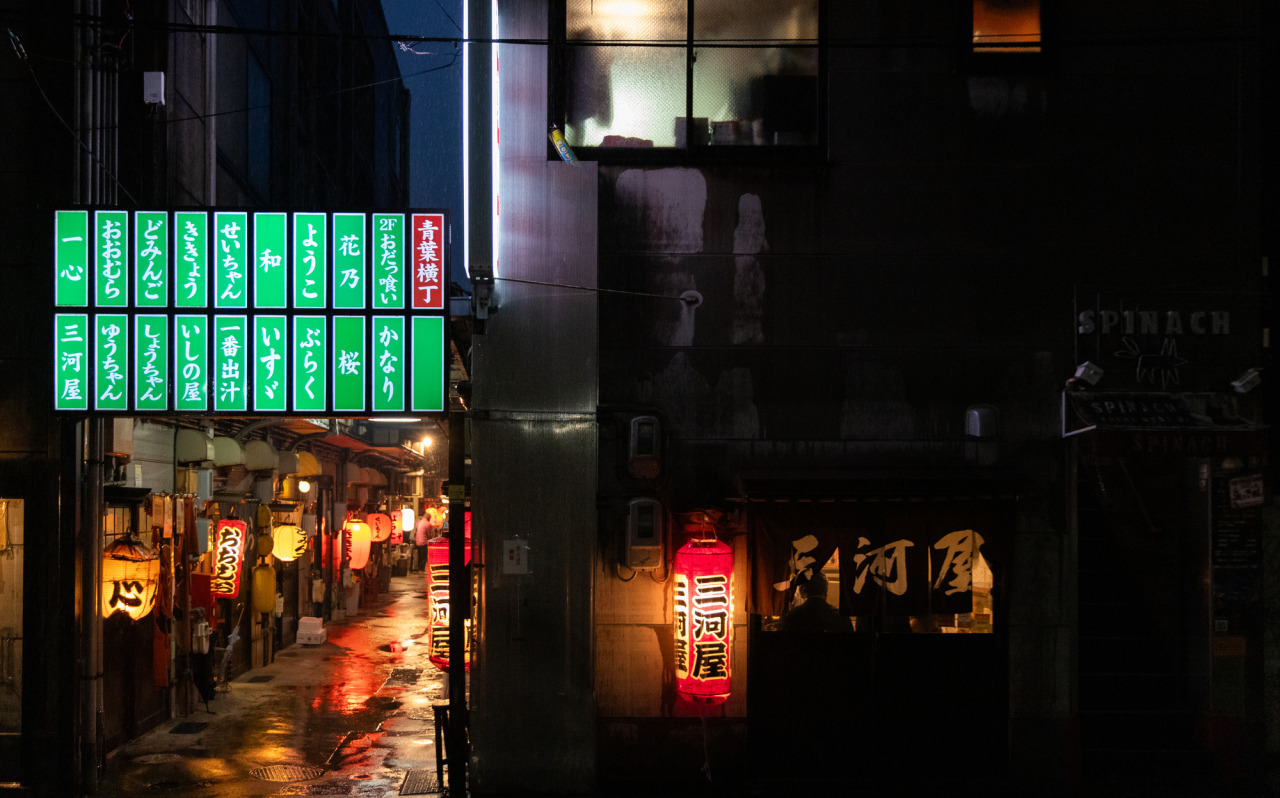
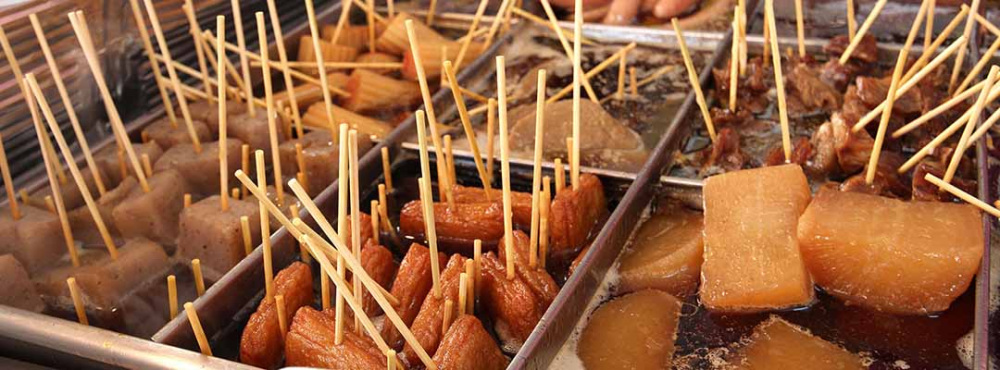
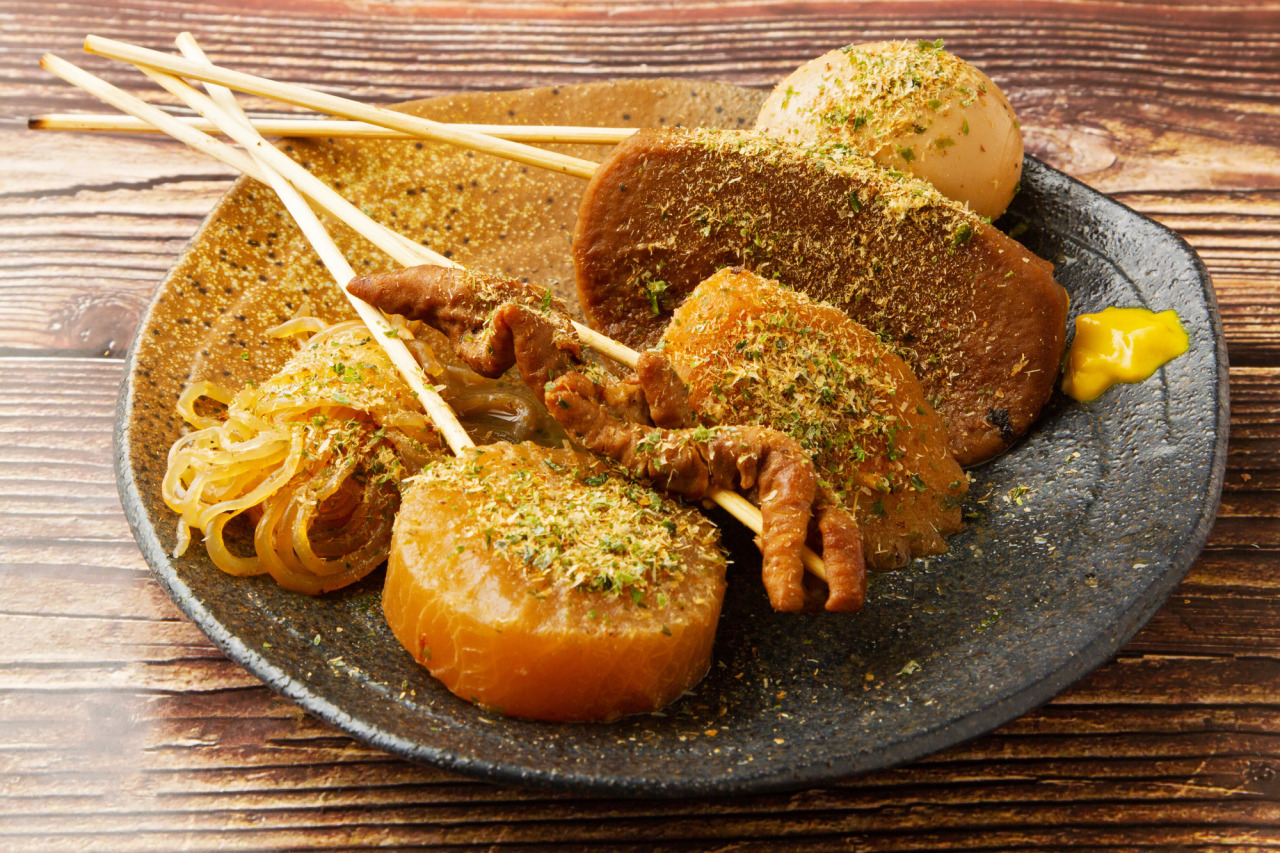
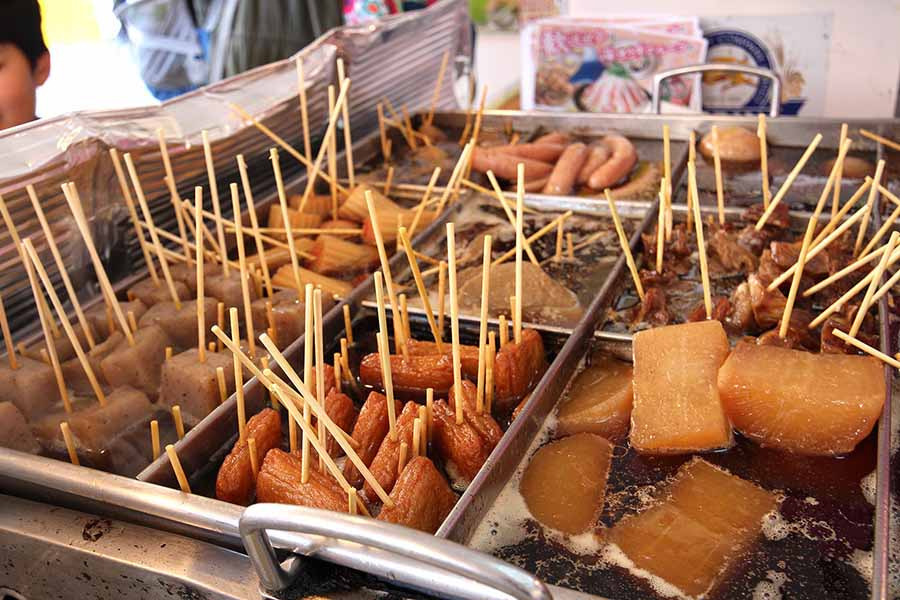
The jet-black broth makes a striking impression!
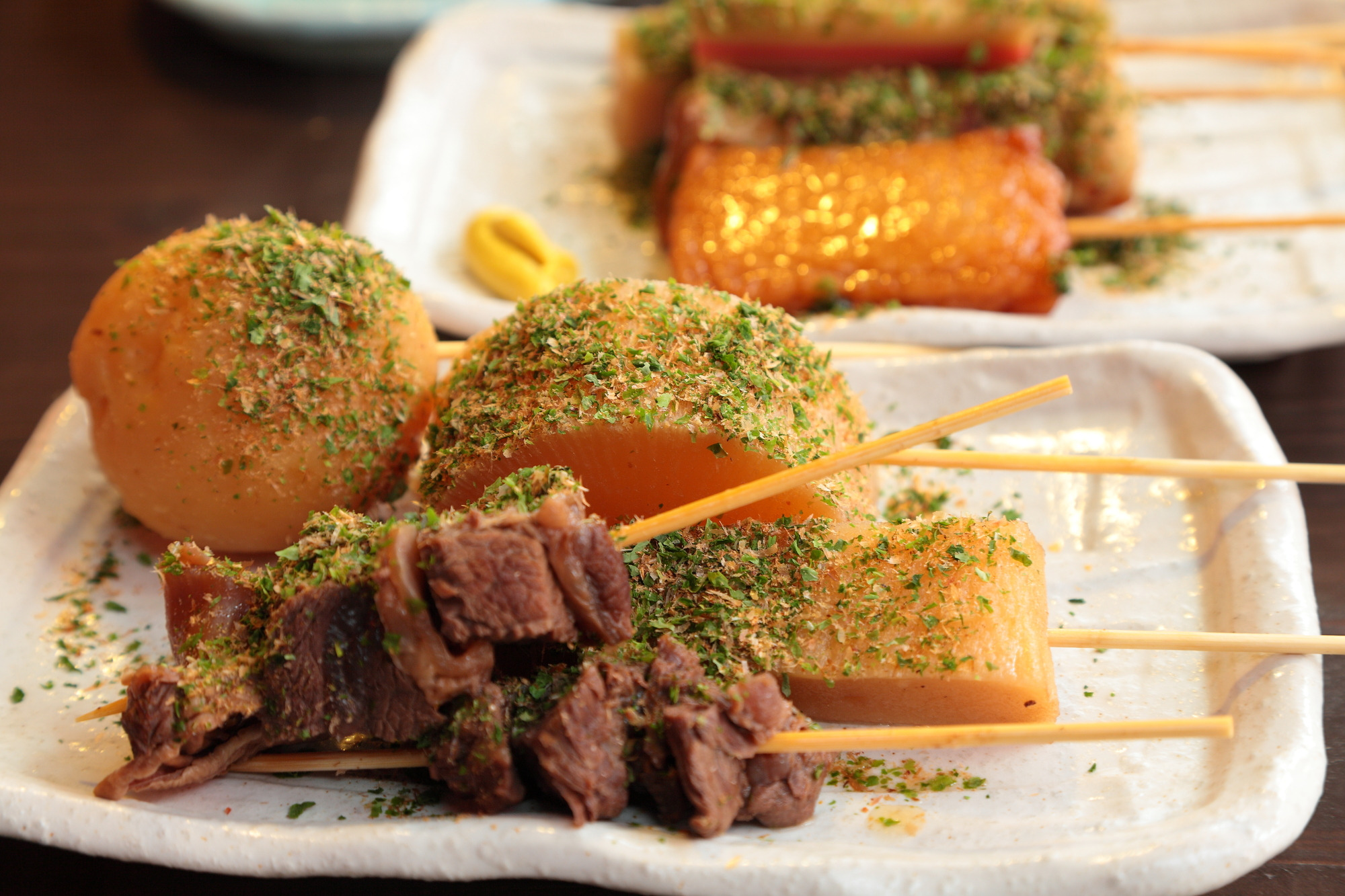
The roots of "Shizuoka Oden," the soul food of Shizuoka City, are said to date back to the Taisho era. It began when people decided to simmer beef tendon and pork offal—which were rarely used at the time—with the mindset of "let’s eat these ingredients deliciously without wasting them."
The star ingredient is “Kuro-hanpen,” a Shizuoka specialty made by grinding sardines and mackerel—bones and all—into a paste.
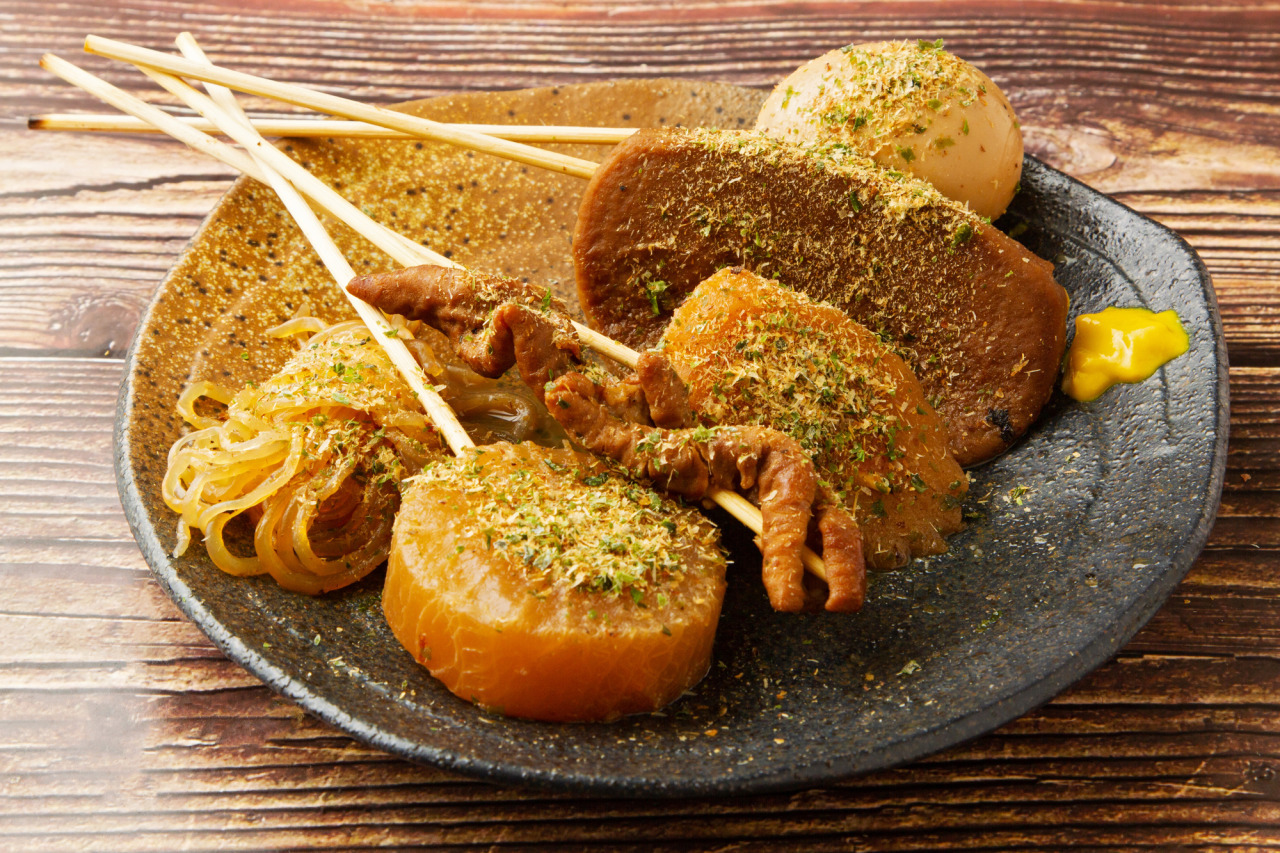
Contrary to its dark appearance, the broth—infused with the umami of beef tendon and fish paste—has a surprisingly mellow and rich flavor.
Shizuoka oden has “Five Rules.”
① It contains kurohanpen
② Black broth (beef tendon stock)
③ Skewered
④ Sprinkled with aonori seaweed flakes and dashi powder
⑤ It’s available at candy stores
The Shizuoka style involves generously sprinkling “dashi powder” (shaved bonito flakes) and aonori seaweed over the ingredients, which have absorbed the rich flavor of the beef tendon.
Try finding your favorite skewer while huffing and puffing over the piping-hot skewers.
The fish caught in Suruga Bay—Japan’s deepest bay—are truly exceptional! Shizuoka City’s pride and joy: seafood cuisine
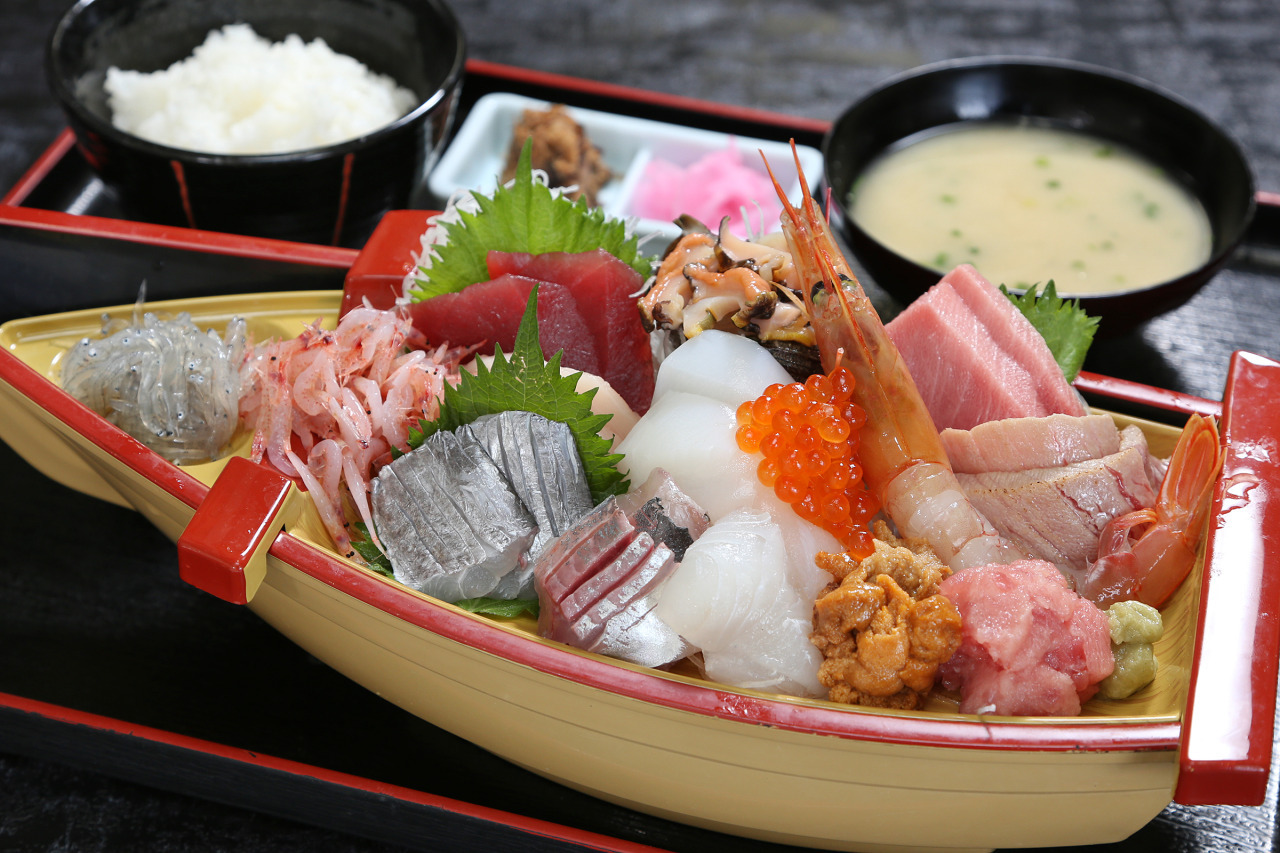
- Sashimi Platter
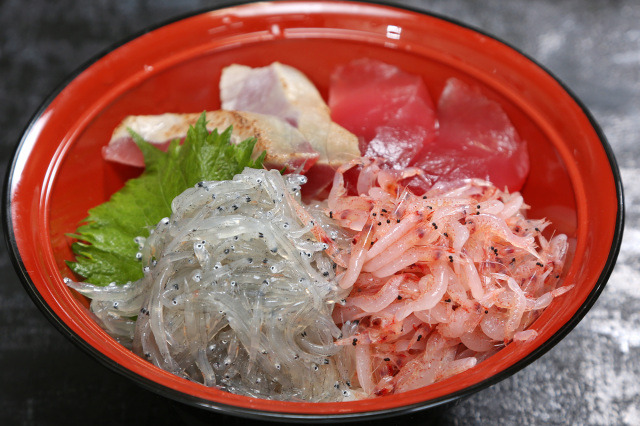
- Baby sardines/cherry shrimp
- Sakura Shrimp Fritters
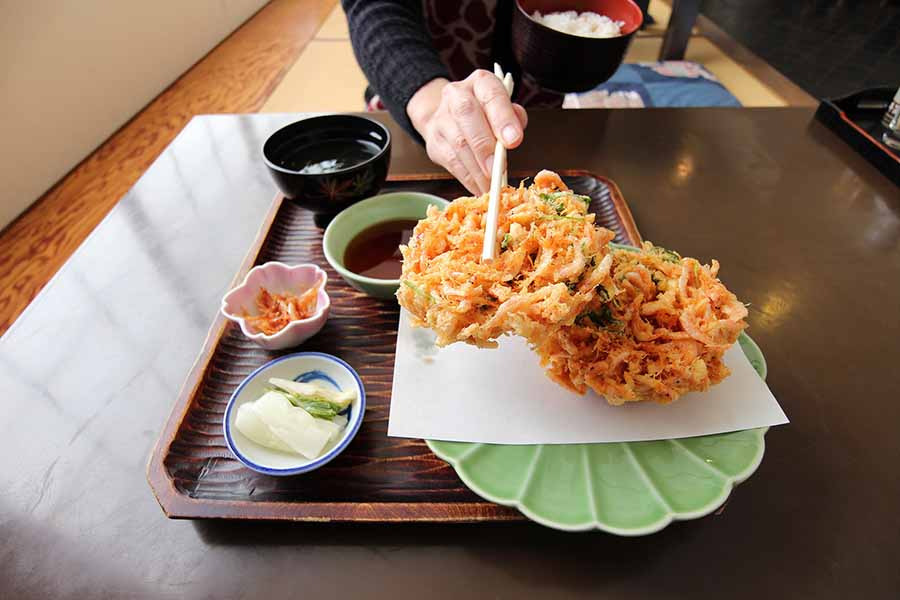
- Soba with Deep-Fried Sakura Shrimp
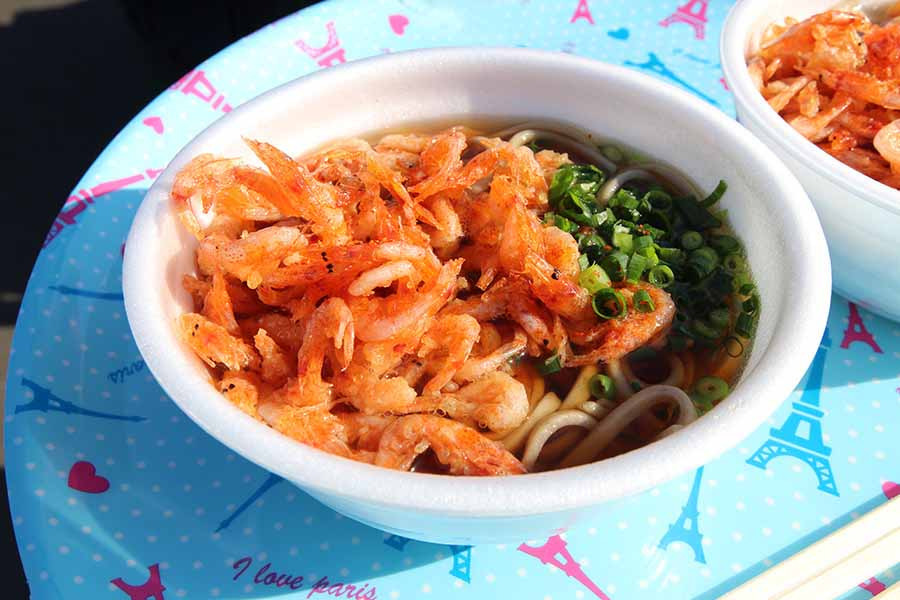
Shizuoka City, which benefits from the bounty of Suruga Bay—Japan’s deepest bay—is truly an ideal fishing ground.
In particular, the seafood landed at Shizuoka City’s Maehama (from Ishibe in Suruga Ward to Kamabara in Shimizu Ward) is known as “Shizumae Fresh Fish,” and it is said to include hundreds of varieties, ranging from shirasu (baby whitebait) to sakura ebi (cherry shrimp).
Of particular note is the “sakura ebi,” the only shrimp in Japan caught exclusively in Suruga Bay.
Hailed as the “jewel of Suruga Bay,” its beautiful luster and rich sweetness make it exquisite whether eaten raw or as a fragrant tempura fritter.
It is a delicacy that is sure to captivate you the moment you try it.
Furthermore, being able to savor sparkling, exceptionally fresh “raw shirasu” is a privilege unique to Shizuoka City, thanks to its proximity to the fishing port.
Immediately chilled on ice after being caught and served with expert skill, this dish has no bitterness, and a gentle sweetness bursts forth with every bite.
The area around Shimizu Port and near Mochimune Fishing Port is dotted with eateries that source their ingredients directly from the market.
Every day, many foodies visit in search of seafood bowls overflowing with fresh fish caught that very morning.
A traditional tororo soup that has been passed down since the Edo period
- Grated Yam Soup
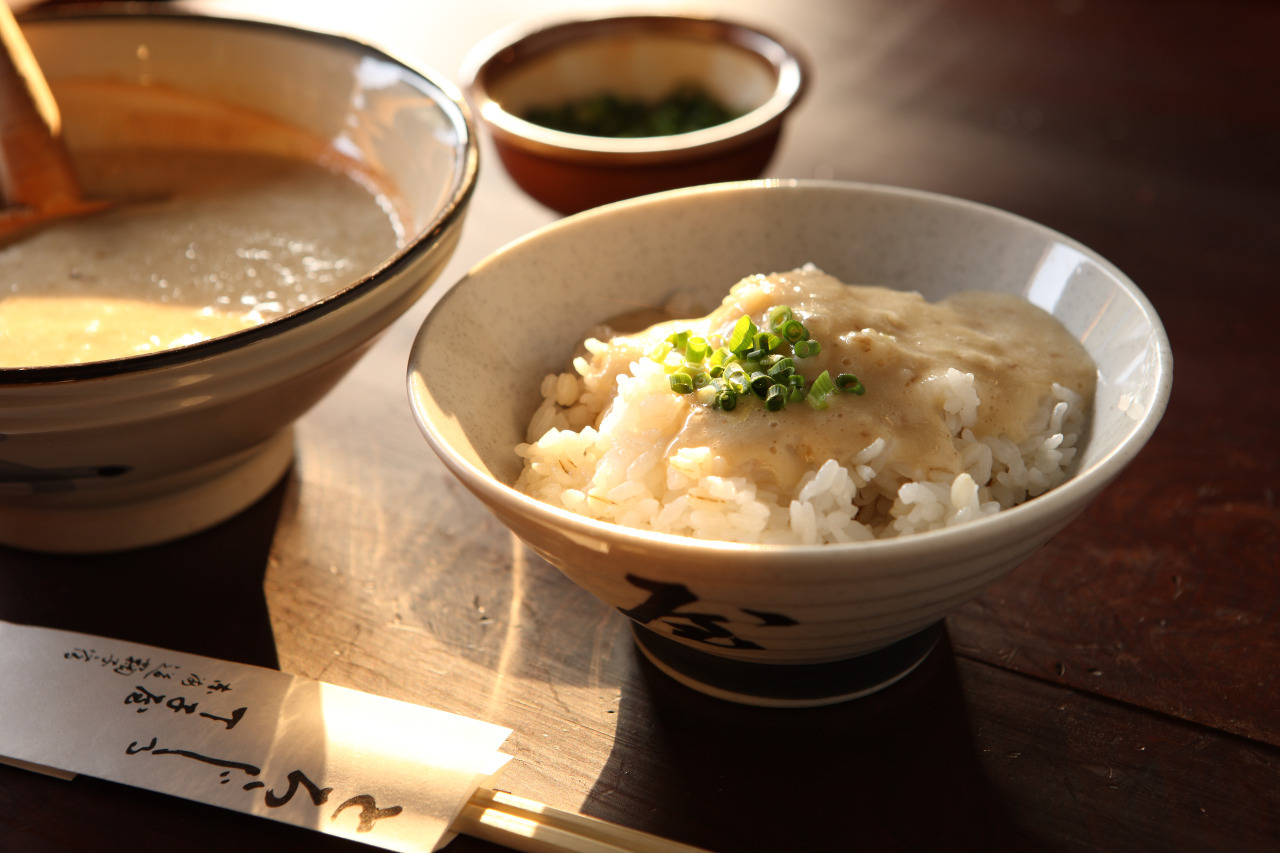
- We also offer set meals
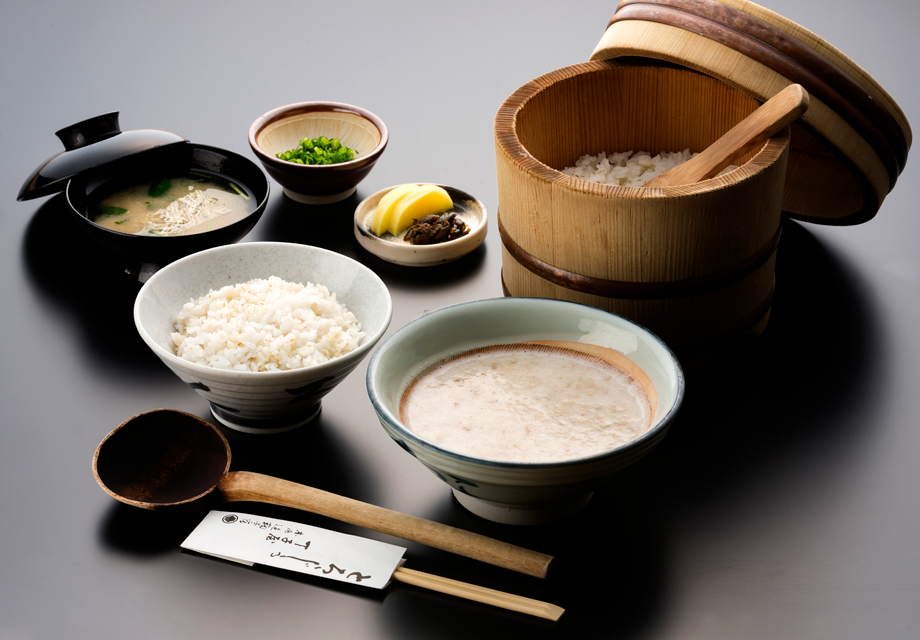
- We also offer set meals
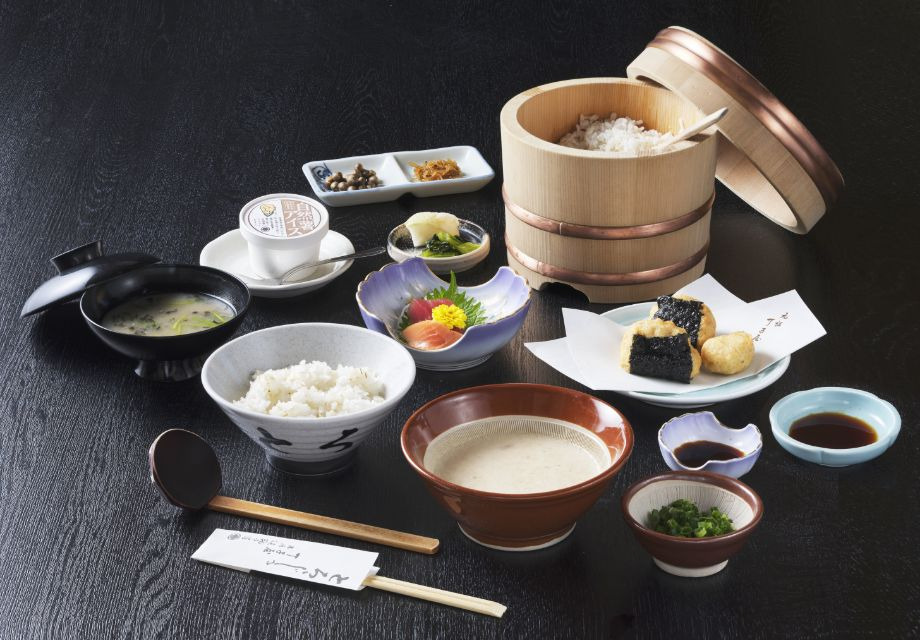
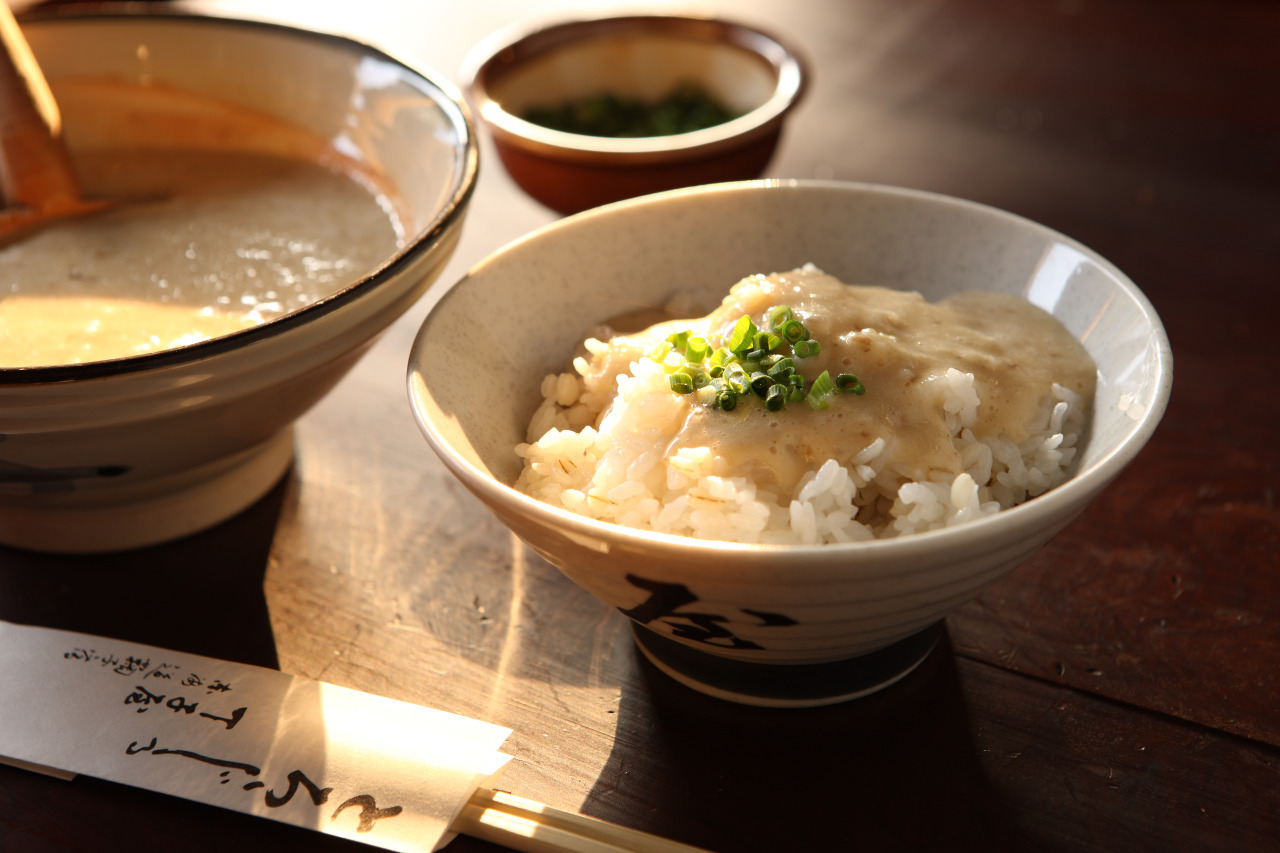
When it comes to Shizuoka City’s most iconic historical dish, “tororo-jiru” stands out—a specialty served at a long-established restaurant that dates back to the Azuchi-Momoyama period (1596).
In Mariko-juku, which flourished as the 20th post town along the Tokaido Road, this dish has long been cherished as a hearty meal to restore travelers’ energy.
It is made by grating wild yams—known for their excellent nourishing and invigorating properties—with the skin still on, then carefully thinning the mixture with a special dashi broth, miso, and soy sauce.
The most stylish way to enjoy it is to pour a generous amount over freshly cooked barley rice and slurp it down heartily.
The aroma that fills your mouth and the pleasant, smooth texture as it slides down your throat will have you hooked after just one bite.
This local specialty is featured in Utagawa Hiroshige’s ukiyo-e series “The Fifty-three Stations of the Tōkaidō” and Jippensha Ikku’s “Knee-Shaking Tales of the Tōkaidō.”
Why not savor it while letting your mind wander to the travelers of Edo?
Wasabi from Shizuoka City—even Tokugawa Ieyasu praised it⁉
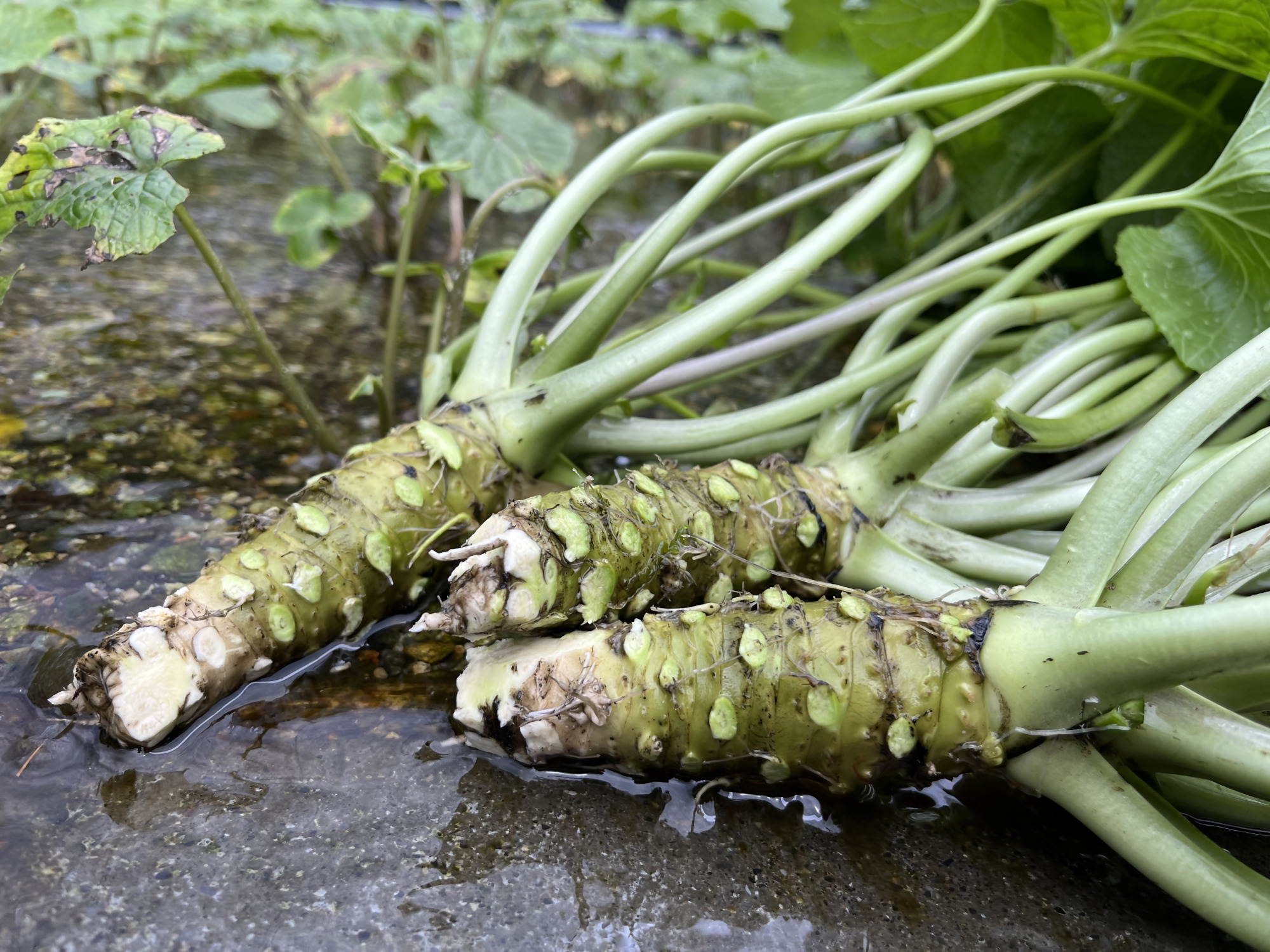
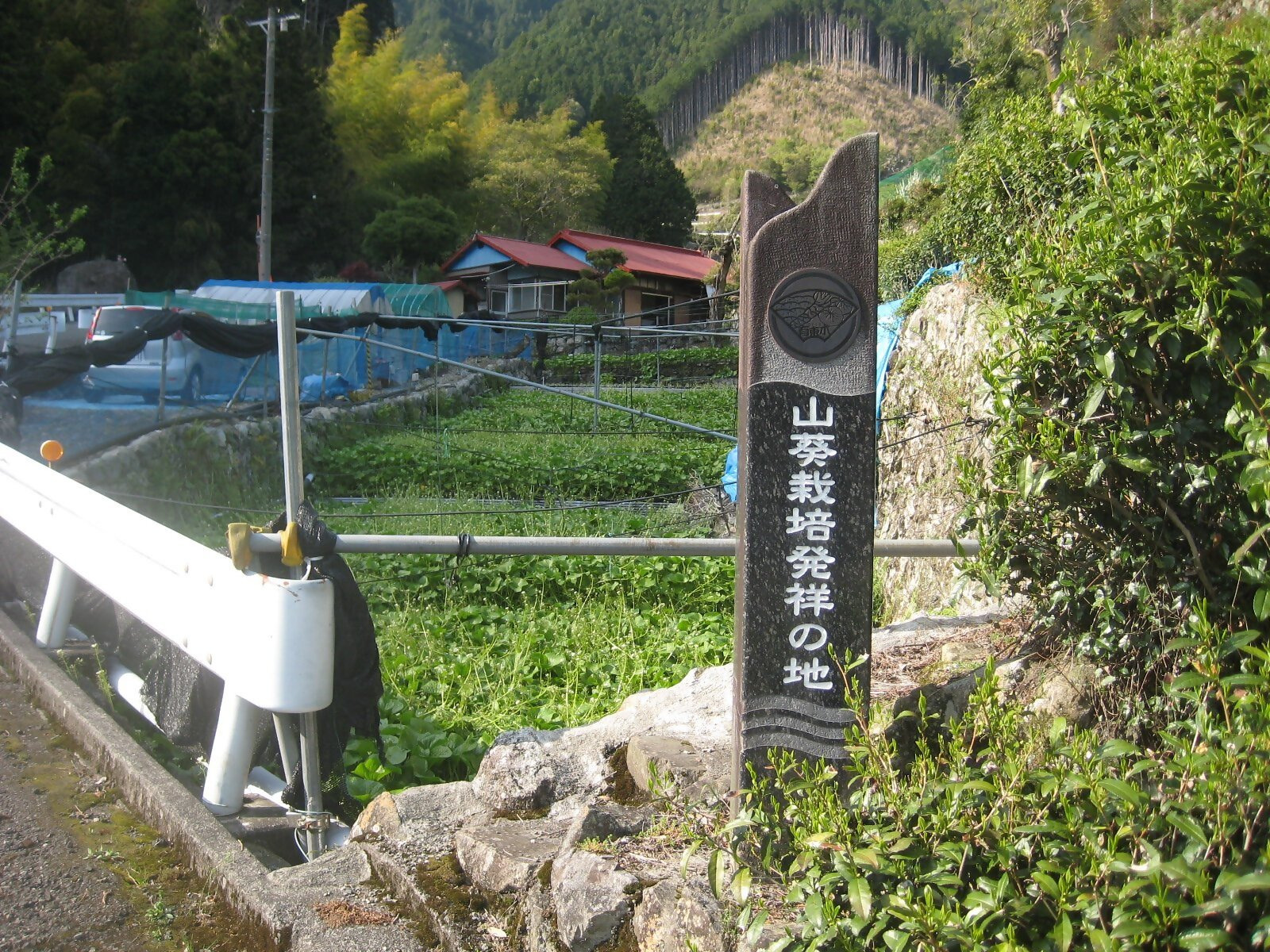
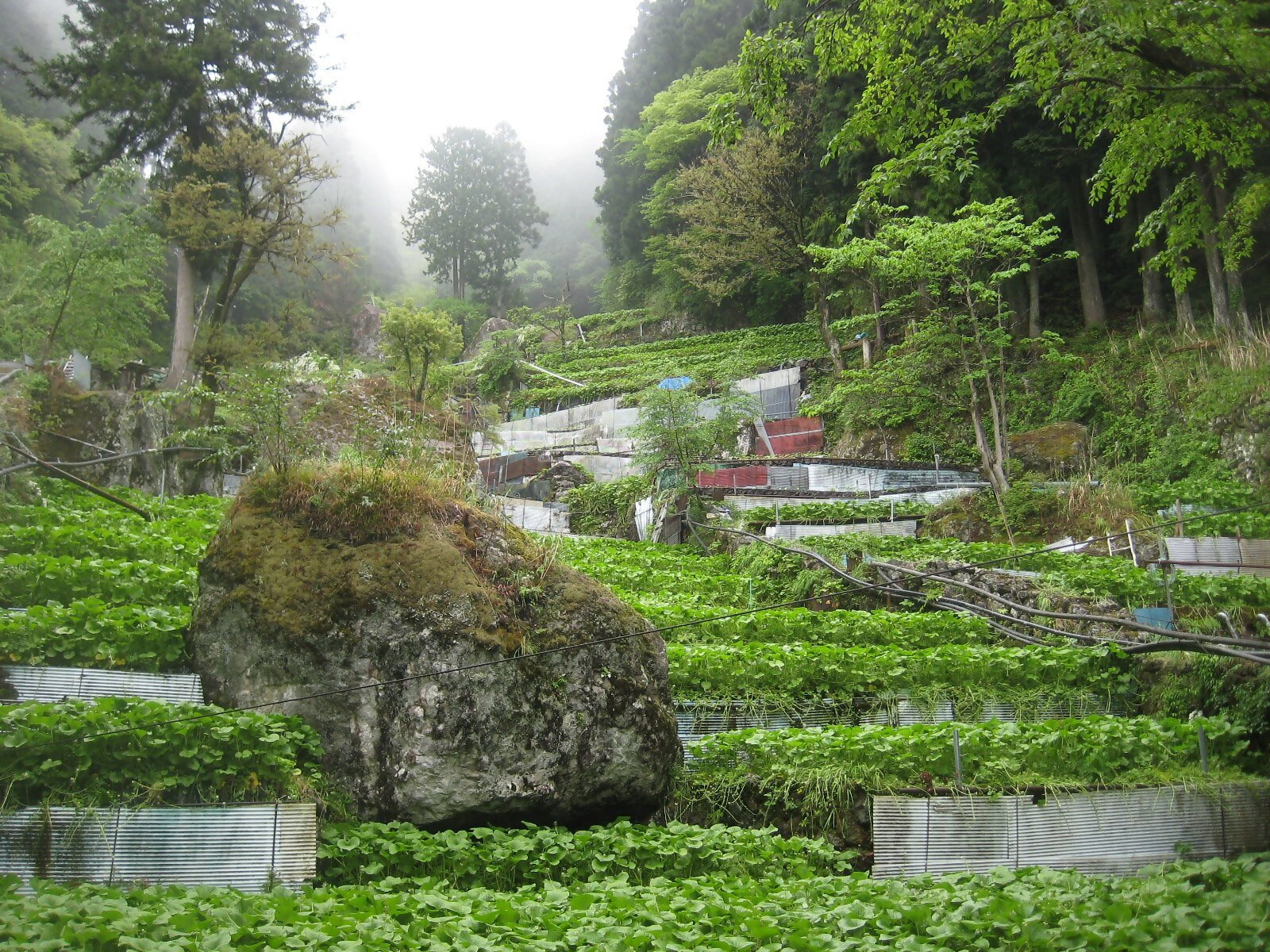
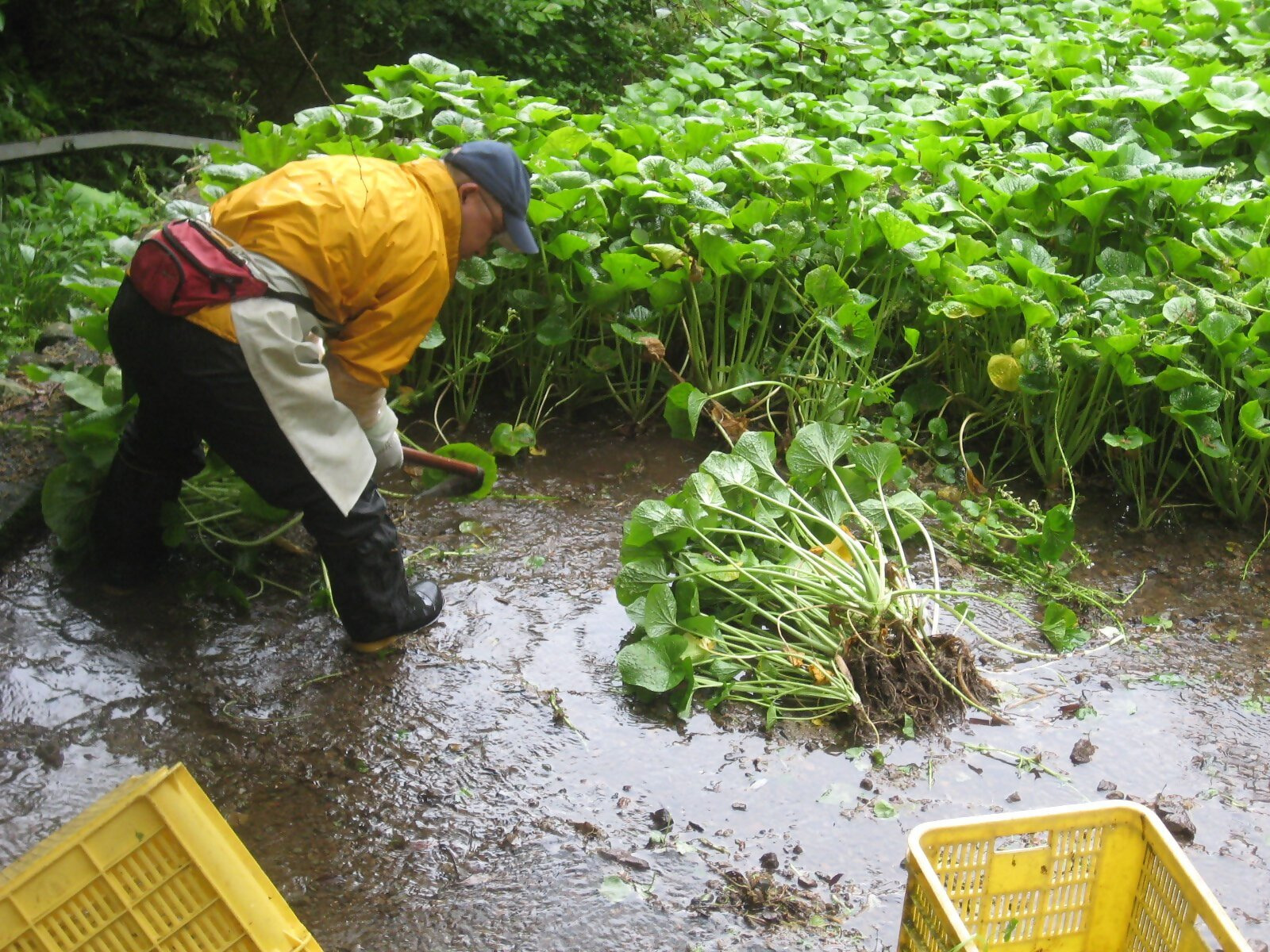
Did you know that Shizuoka City is actually the “birthplace of wasabi cultivation”?
Its origins date back about 400 years. Japan’s first wasabi cultivation began in the village of Utogi, nestled in the mountains along the upper reaches of the Abe River.
Tokugawa Ieyasu, the ruler of the land at that time, was one of those who loved the wasabi from this region.
Impressed by its pungent aroma and flavor, Ieyasu was also said to have taken a particular liking to it because the shape of the leaves resembled the Tokugawa family crest, the “Aoi” (hollyhock). There is even a story that he declared it a strictly confidential item, forbidden to be taken outside the castle.
The unique traditional farming method, which utilizes pure spring water, has been recognized as a “Globally Important Agricultural Heritage System.”
Authentic wasabi is not merely spicy; it is characterized by a refreshing sweetness within the heat and a rich aroma that fills the nose.
In addition to sashimi and sushi, there are many ways to enjoy it, such as "wasabi rice bowls" generously topped with wasabi and steak.
Please come and savor the authentic aroma cultivated over 400 years of history right here on site.
Shizuoka City’s Local Delicacy! Shimizu Motsu Curry
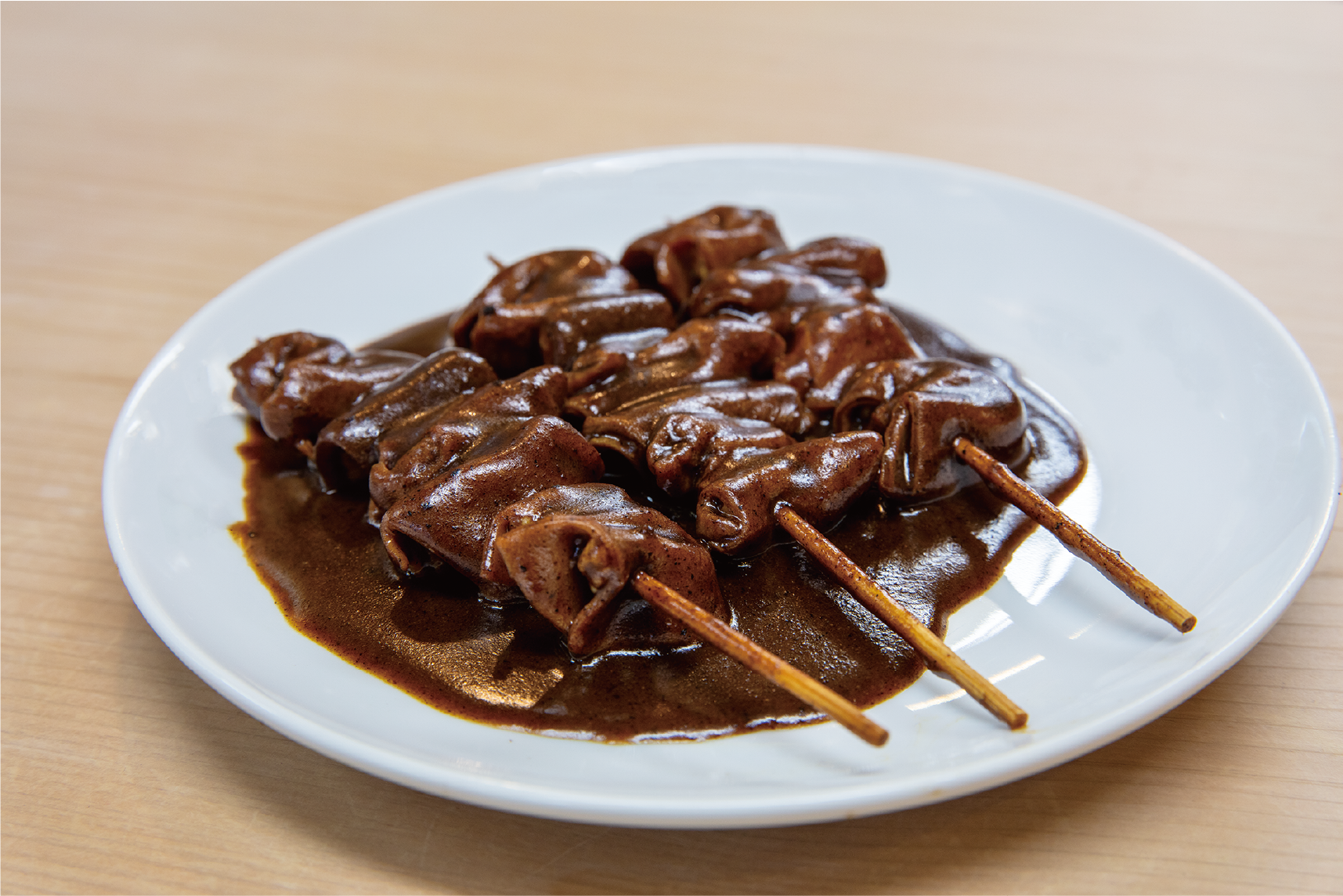
"Motsu Curry" was created in 1950 at the "Kinoji" izakaya in Shimizu.
Inspired by Nagoya’s “Dote-ni” stew, the dish was created by adding curry powder—a trendy ingredient at the time.
The rich flavor of pork offal—carefully prepared and simmered until tender—pairs perfectly with the deep, spicy notes of the curry!
It has now firmly established itself as a local specialty representing Shimizu Ward.
It is served at "Kanoji," the restaurant where it originated, as well as at izakayas around Shimizu Station, and you can enjoy each establishment’s unique take on the dish.
Why not enjoy a night of bar-hopping in Shimizu while savoring each establishment’s unique take on this dish?
Juicy and fresh! Shizuoka City’s pride and joy
Shizuoka City, blessed with abundant natural resources, is home to a wide variety of distinctive “brand crops” cultivated with passion by local farmers.
From traditional vegetables said to have been loved by Tokugawa Ieyasu to juicy fruits shipped nationwide ahead of the rest of the country thanks to the region’s mild climate.
We invite you to discover the region’s unique seasonal delicacies, a blend of history and expertise.
- Orido Eggplant
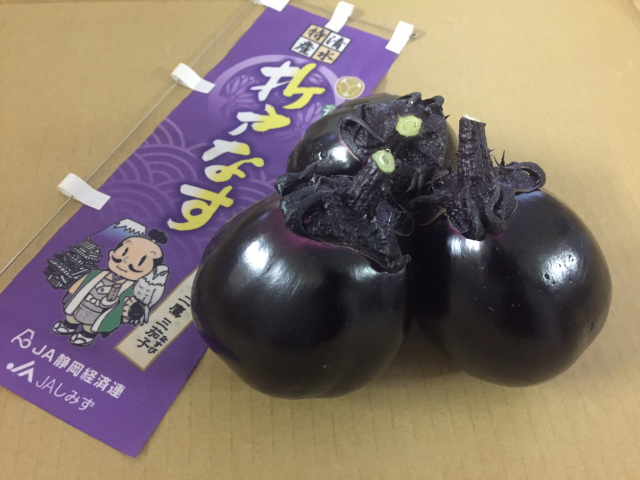
- This legendary vegetable is said to have been presented to Lord Tokugawa Ieyasu during the Edo period. It is believed that the “eggplant” in the traditional New Year’s saying “First Mount Fuji, second a hawk, third an eggplant”—which is considered a good omen if seen in one’s first dream of the year—actually refers to this “Orito Eggplant.” Characterized by its plump, round shape resembling a drawstring pouch and its fine-grained flesh, its flavor is truly exceptional. When cooked, it develops a melt-in-your-mouth texture, releasing a rich, deep sweetness.
- See More
- Peaches from Osada
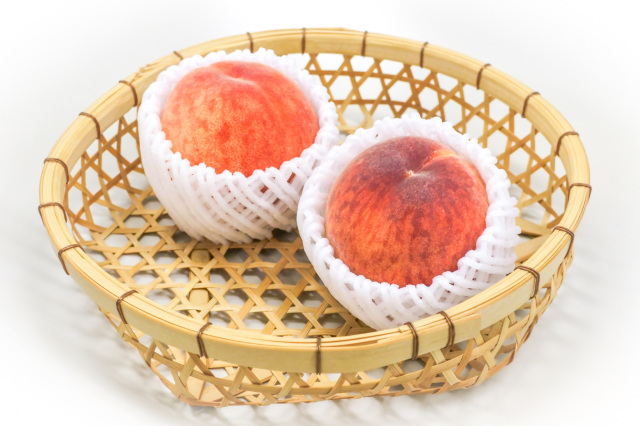
- The Nagata district is one of the nation’s leading producers of “early-season peaches.” Taking advantage of the region’s warm climate, these peaches begin shipping in early May, offering an early taste of summer. They boast a concentrated sweetness packed into their small, firm fruit, juice so juicy it drips the moment you peel them, and an elegant aroma.
- See More
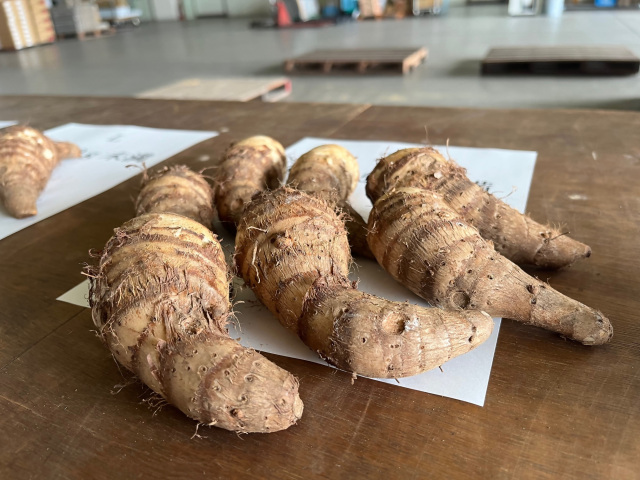
- Osada Sweet Potato
- A traditional variety of taro grown in the sandy soil along the lower reaches of the Abe River. The well-drained, loose soil gives it a fine texture and a uniquely chewy, sticky consistency. Its most notable characteristic is that it holds its shape well even when simmered. While it absorbs plenty of broth, it melts smoothly in your mouth, releasing the ingredient’s natural, gentle sweetness.
- See More
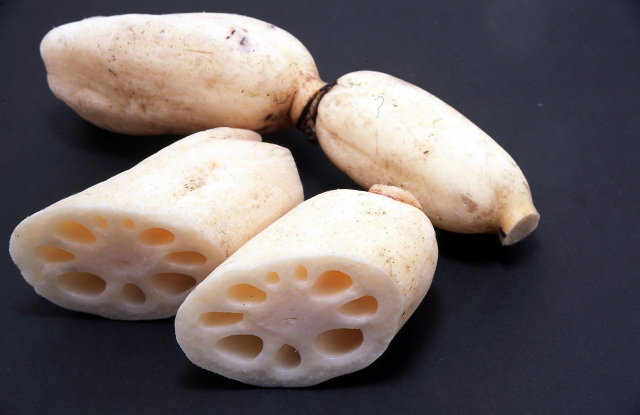
- Asahata Lotus Root
- A traditional vegetable passed down in the Asahata district. Grown in nutrient-rich clay soil, this lotus root is characterized by its short segments and plump shape. Its greatest appeal lies in its remarkable “stickiness.” When snapped, it stretches like a string, yet it offers a pleasant, crisp texture when eaten. The rich umami flavor that intensifies with each bite makes it a star ingredient in dishes like kinpira or tempura.
- See More
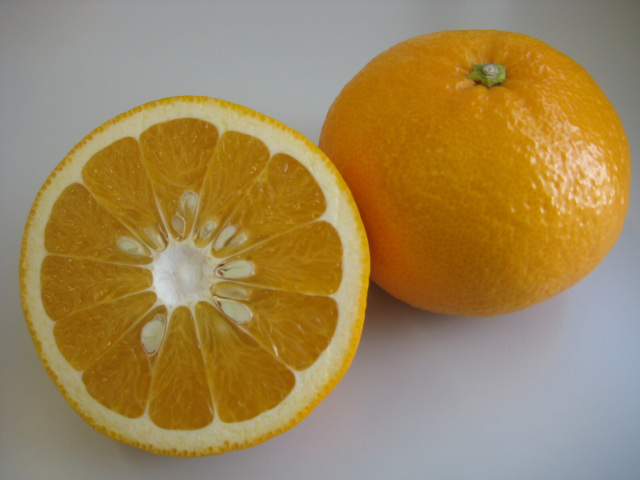
- Suruga Elegant
- A citrus variety exclusive to Shizuoka City, created by crossing Amanatsu and Buntan. True to its name, it is characterized by a refined, elegant flavor. Its greatest appeal lies in the burst of fresh juice that fills your mouth the moment you take a bite, followed by a clean, crisp aftertaste. With its firm, juicy texture and refreshingly vibrant aroma, it is also extremely popular in processed products such as juice and jelly.
- See More
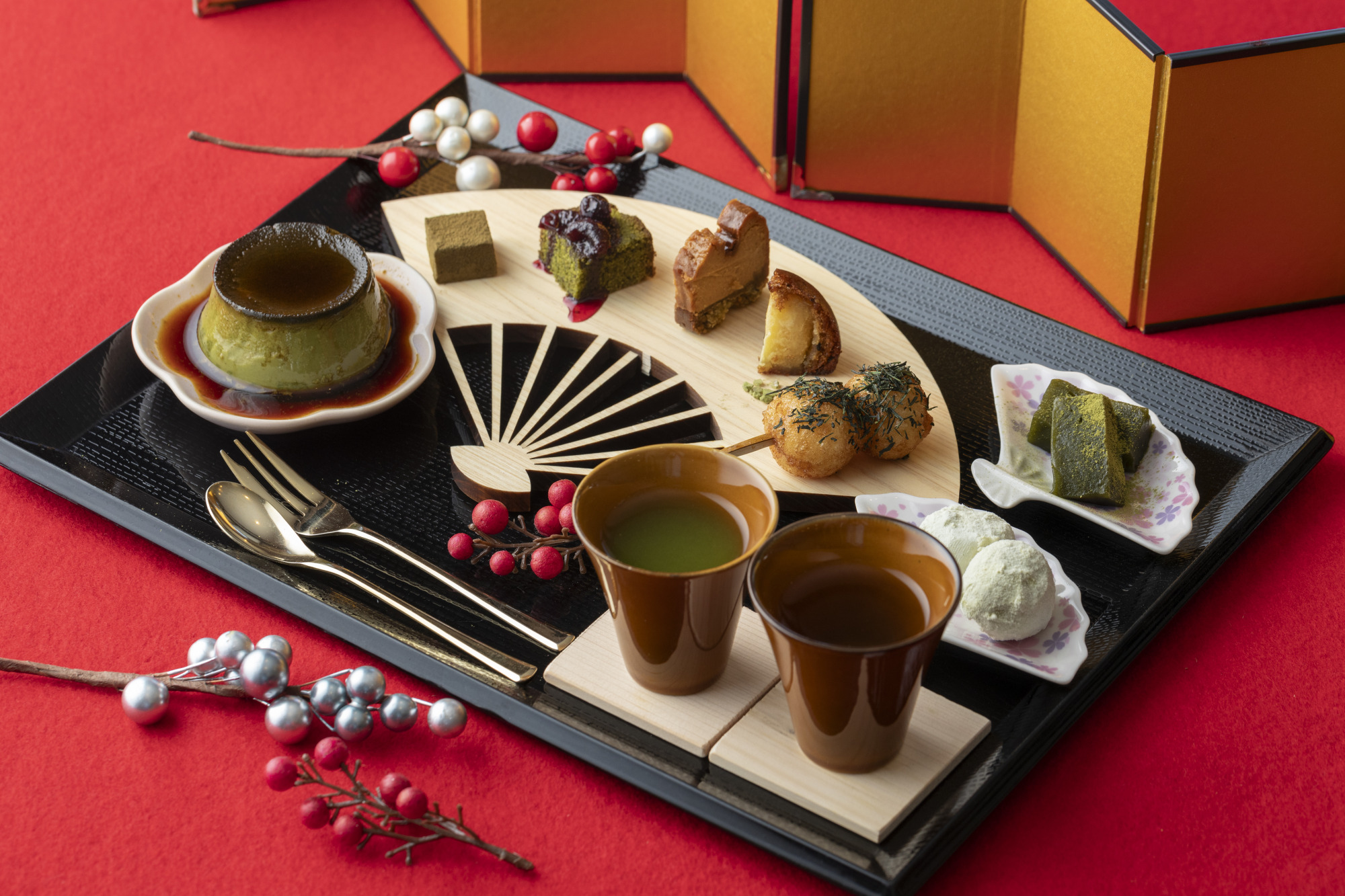
Don't miss out on the sweets made with Shizuoka tea!
- Iced Green Tea (Location: Cha no Me)
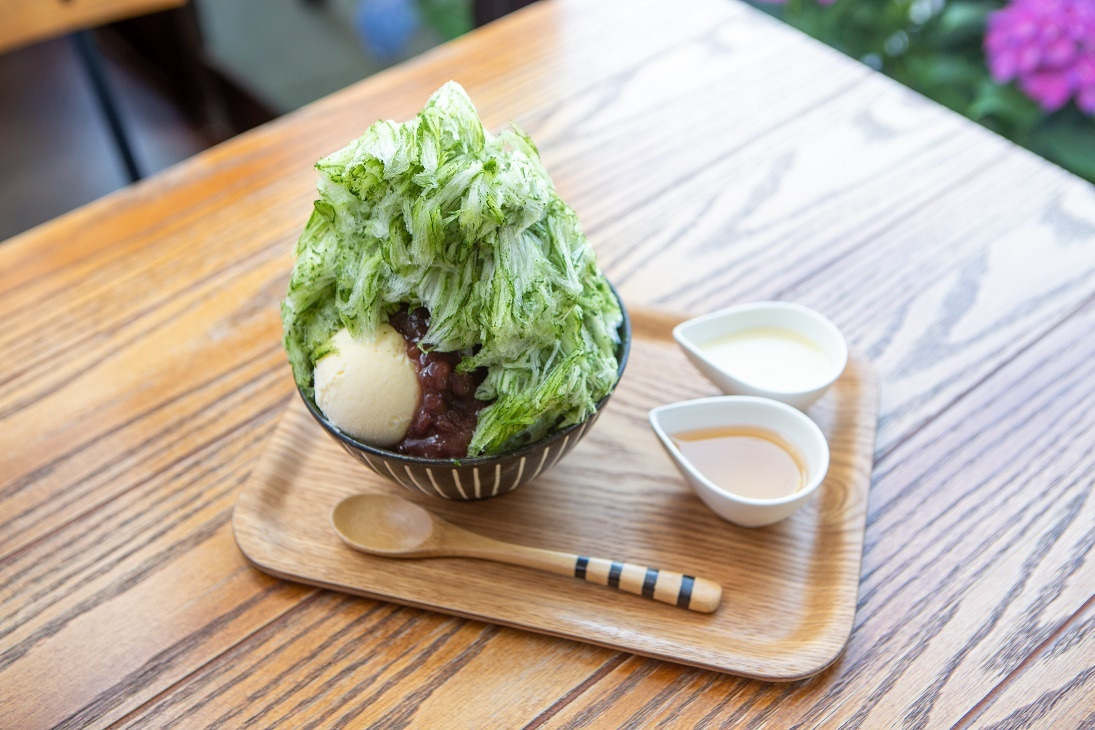
- Suga Noon Tea (Store: T’s green)
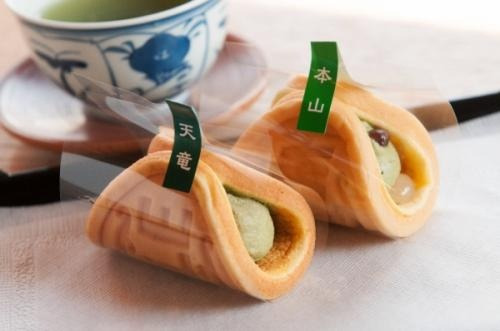
- Chamachi KINZABURO
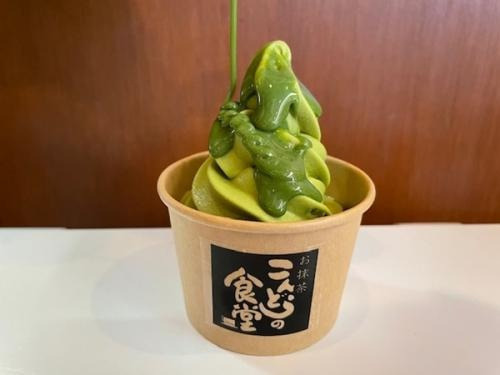
- Matcha Kondou's Cafeteria
- LA PALETTE

- Kimikura Tea House
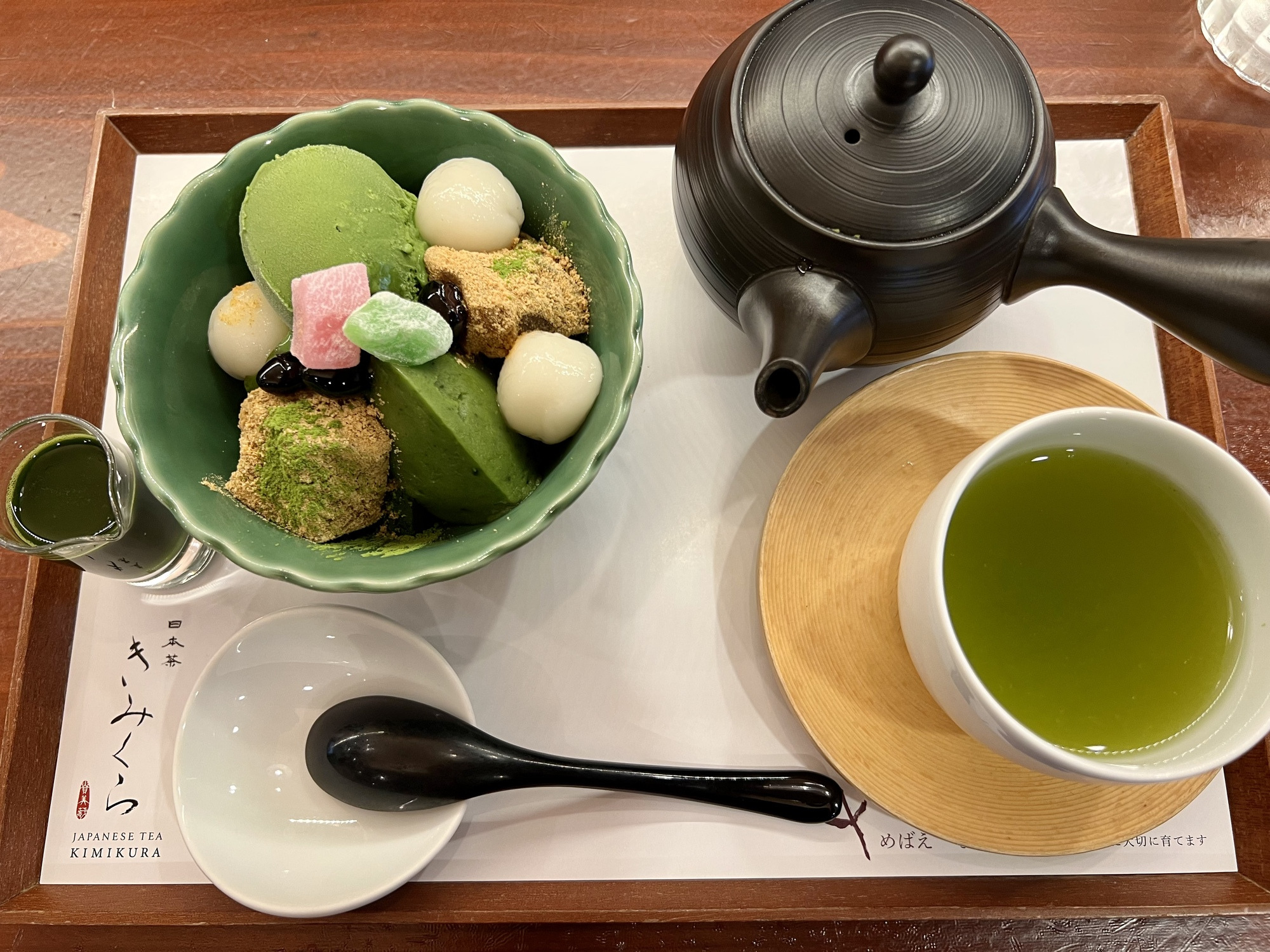
Shizuoka City is one of Japan’s leading tea-producing regions.
Ever since the high priest Shōichi Kokushi introduced tea seeds during the Kamakura period, the city has continued to produce tea leaves of the highest quality.
In this town steeped in tradition, “next-generation sweets” made with authentic tea are currently attracting a lot of attention.
Cafes throughout the city offer luxurious menus unique to a tea-producing region, such as gelato that brings out the full flavor of the tea leaves, hojicha parfaits that fill your mouth with a toasty aroma, and matcha warabi mochi with an irresistibly jiggly texture.
In summer, you can enjoy “Cha-gori,” shaved ice made with Shizuoka tea, and from autumn through winter, “Suruga Noon Tea,” an afternoon tea featuring pairings of Shizuoka tea and sweets.
From the blissful cup brewed in a teapot to the ever-evolving sweets, set out on a journey to discover the new charms of Shizuoka tea.
A traditional confectionery from Shizuoka City that continues to be loved by locals
In Shizuoka City, which has long flourished as a post town, traditional confections that have soothed weary travelers are still passed down to this day.
These local flavors are passed down through generations, accompanied by countless historical tales.
Join us on a journey to discover these beloved traditional sweets, which pair perfectly with Shizuoka tea.
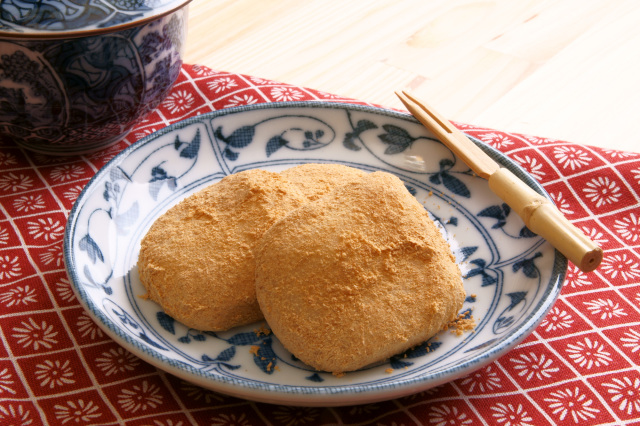
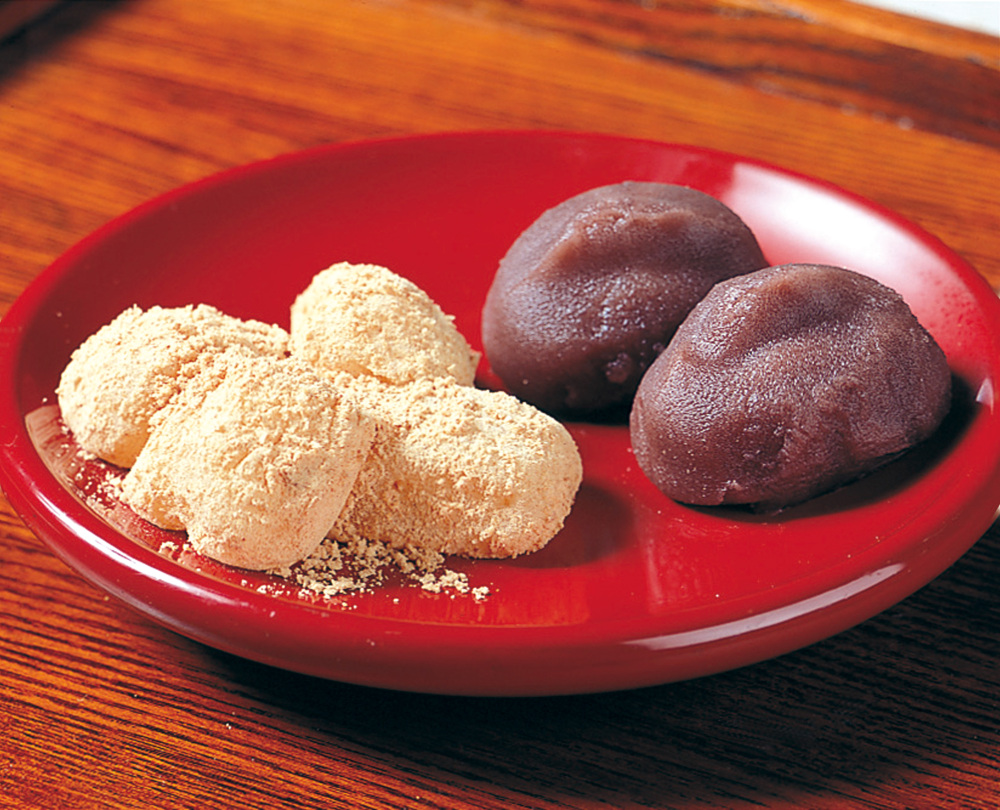
- Abe River Mochi
- This traditional local confection has a story behind it: long ago, gold was mined in the upper reaches of the Abe River, and when soybean flour was presented to Tokugawa Ieyasu as a representation of gold dust, he was said to have been greatly pleased. With its simple yet refined sweetness that never grows tiresome, it has been loved by many people throughout the ages as a treat to soothe the fatigue of travel.
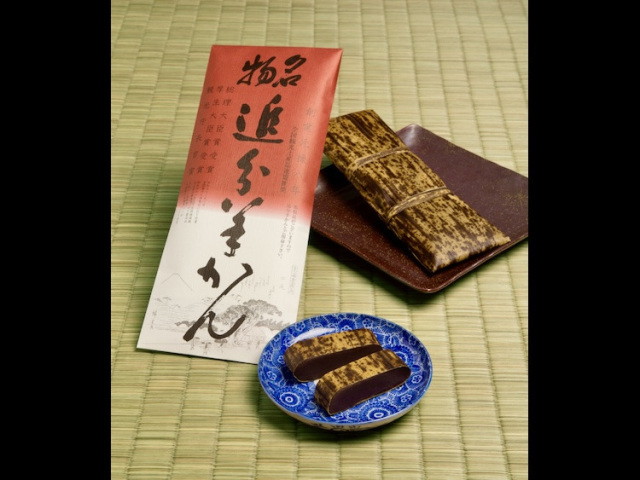
- Oiwake Yokan
- Steamed yōkan with a history spanning over 300 years. The shop’s name originates from its location at a “Toiwake” (crossroads) along the Tōkaidō Road, and the traditional method of steaming the yōkan wrapped in bamboo leaves is still preserved today. The secret to its popularity lies in the refreshing scent of bamboo that wafts out the moment you open the package, the subtly sweet flavor that highlights the natural taste of red beans, and the uniquely “chewy” and elastic texture that sets it apart from ordinary yōkan.
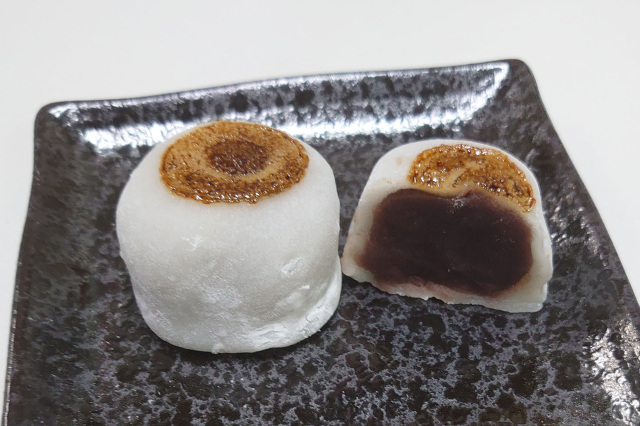
- Rabbit Mochi
- This treat is deeply rooted in the history of "Oiwake Yokan"; it is said to have originated long ago when local people shaped mochi into the form of rabbits. With its charming, palm-sized shape and fluffy, soft mochi filled with gently sweet red bean paste, its heartwarming, simple flavor soothes the hearts of all who try it.
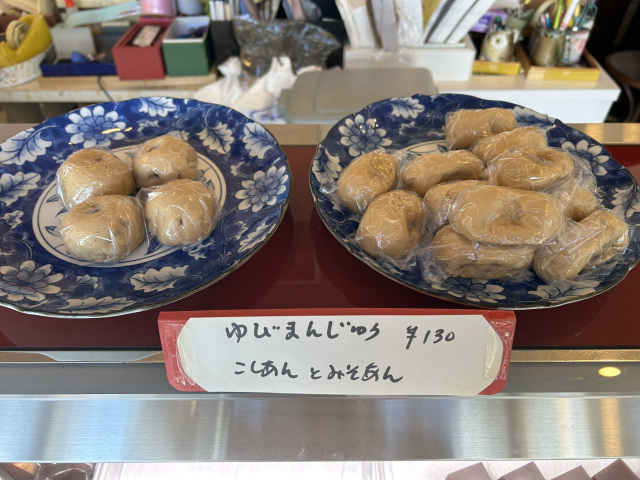
- Finger-shaped buns
- True to its name, this uniquely shaped manju features a "dent that looks as if it were made by pressing down firmly with a finger." Originating from the former post town of Yui, it features a fluffy dough generously filled with moist red bean paste. An indispensable part of local festivals and celebrations, it is a local specialty deeply rooted in the community.
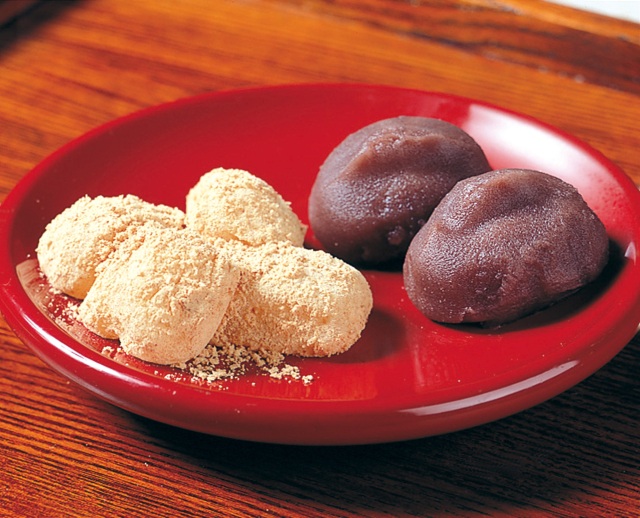
Click here to learn more about local sweets
When it comes to traditional Japanese sweets in Shizuoka City, "Abekawa Mochi" is the first thing that comes to mind.
Beloved since the Edo period and associated with an anecdote involving Tokugawa Ieyasu, it is one of Shizuoka Prefecture’s most representative sweets.
In this article, we’ll introduce Shizuoka City’s unique local sweets—including Abekawa Mochi, Oiwake Yokan, Usagi Mochi, and Yubi Manju—along with the historical stories behind them.
Summary
Did you enjoy our special feature on Shizuoka City’s culinary scene?
From classic Shizuoka oden and Suruga Bay seafood to local sweets associated with Tokugawa Ieyasu and the latest tea-based desserts,
This city is overflowing with so many delicious treats that you simply can’t experience them all in a single trip.
For those thinking, “I want to know more!” or “I want to explore efficiently!”, we’ve prepared guides tailored to specific interests.
Be sure to check out the “Featured Pages” perfect for first-time visitors and the “Model Itineraries” that take you to famous restaurants, and plan your very own delicious Shizuoka getaway!
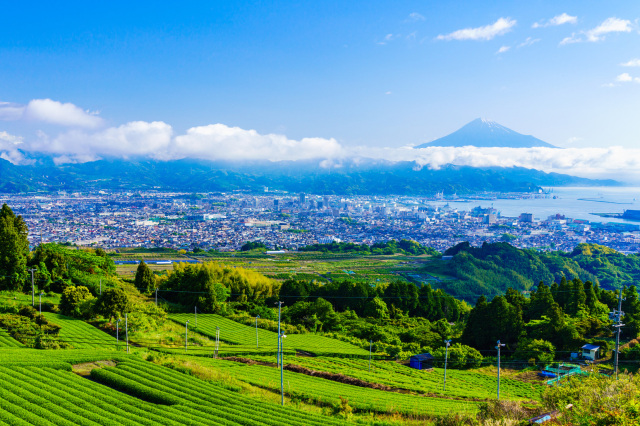
- First-Time Visitors to Shizuoka City: A Comprehensive Guide to Food, Souvenirs, and Attractions
- When you hear “Shizuoka City,” the first thing that comes to mind is the breathtaking view of Mount Fuji. But Shizuoka City has so much more to offer. From historic sites associated with Tokugawa Ieyasu to a passion for craftsmanship—best exemplified by plastic model kits—and the fresh seafood arriving at Shimizu Port, there’s an abundance of sights to see and flavors to savor! In this feature article, we’ll introduce you to all the charms of Shizuoka City.
- See More
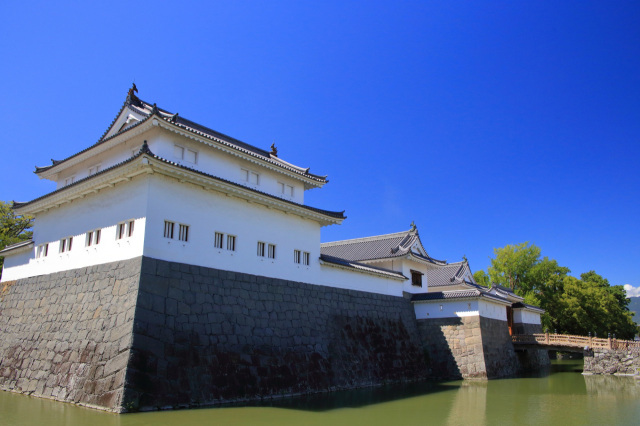
- Within walking distance from the station! A suggested day trip itinerary around Shizuoka Station
- The area around Shizuoka Station is brimming with attractions, from historic sites associated with Tokugawa Ieyasu to cutting-edge interactive shops and local culinary culture! Feel the breeze on a boat ride around the moat, experience traditional indigo dyeing, and savor Shizuoka’s famous “oden” for dinner. This is a classic one-day itinerary that lets you enjoy the area all day long on foot from the station, even without a car.
- See More
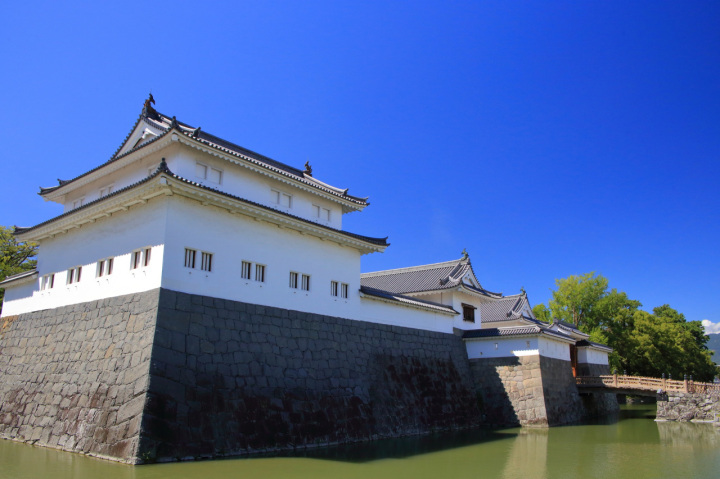
- Explore by Rental Car! A 2-Day, 1-Night Model Itinerary Starting from Shizuoka Station
- A classic two-day, one-night driving itinerary starting from Shizuoka Station. Of course, it includes a scenic drive with views of Mount Fuji. We’ll also introduce a wide range of attractions, from sites associated with Tokugawa Ieyasu—a must-see for history buffs—to gourmet cuisine featuring seafood from Suruga Bay and local sweets beloved by the community. This is our recommended itinerary for those who want to fully experience all that Shizuoka City has to offer.

- See More

![[Souvenir Special] Souvenirs You Can Buy at Shizuoka Station](/lsc/upfile/article/0000/0205/205_1_m.jpg)