[National Treasure] Highlights of Kunozan Toshogu Shrine | Exploring the Tomb of Tokugawa Ieyasu and Spectacular Views
Kunozan Toshogu Shrine, a National Treasure where Lord Tokugawa Ieyasu is laid to rest. Discover the beauty of its shrine buildings, steeped in 400 years of history, and the breathtaking views overlooking Suruga Bay.
Table of Contents
Open Table of Contents
![[National Treasure] Highlights of Kunozan Toshogu Shrine | Exploring the Tomb of Tokugawa Ieyasu and Spectacular Views](/lsc/upfile/article/0000/0009/9_1_l.jpg)
National Treasure: Kunozan Toshogu Shrine
- From the collection of the Kunozan Toshogu Museum
- From the collection of the Kunozan Toshogu Museum
“Mount Kunō is the innermost bailey of Sunpu Castle. You must defend Mount Kunō.”
These were the words Lord Tokugawa Ieyasu commanded his vassal, Sakakibara Teruhisa, who wished to join the Battle of Osaka. Although Lord Ieyasu held real power as the “Great Elder” at Sunpu Castle, he may have considered this Mount Kunō, rather than Sunpu Castle itself, to be the true center of his unification of the realm.
Lord Ieyasu passed away at Sunpu Castle on April 17, 1616 (Genna 2). In accordance with his final wishes, he was buried here on Mount Kunō that very day, and the following year, the Imperial Court bestowed upon him the divine title “Tōshō Daigongen,” deifying him.
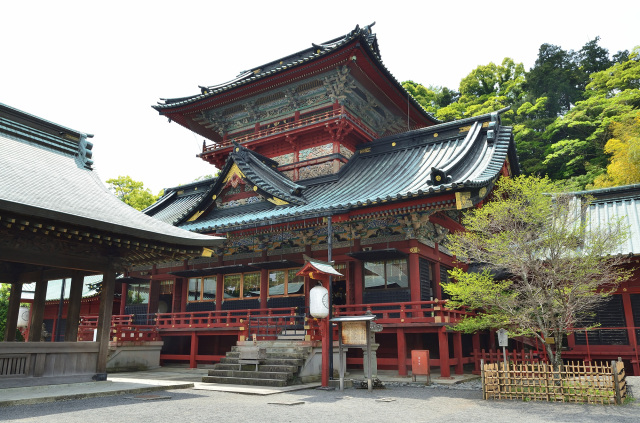
Kunozan Toshogu became the first shrine dedicated to Lord Ieyasu, and its main hall—the origin of the Gongen-zukuri architectural style—still retains the beauty of four hundred years ago.
At Kunozan Toshogu, an annual festival is held on April 17, the anniversary of Lord Ieyasu’s death. In 2015, the “400th Anniversary Grand Festival” was held over five days, including the anniversary.On the anniversary of his death, the head of the Tokugawa main family—who is invited annually to serve as the presiding priest—visits the mausoleum (Tokugawa Ieyasu’s tomb), a scene that was featured on NHK’s national broadcast and became a topic of conversation. Additionally, the city of Shizuoka held the “Tokugawa Ieyasu 400th Anniversary Festival.”
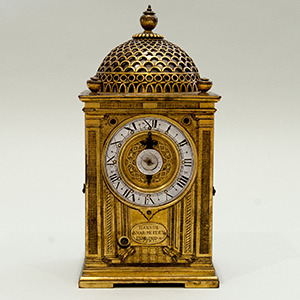
The clock in the photo was a gift to Lord Ieyasu from the King of Spain. If you stop by the Kunozan Toshogu Museum, you can see Lord Ieyasu’s personal belongings and other valuable treasures.
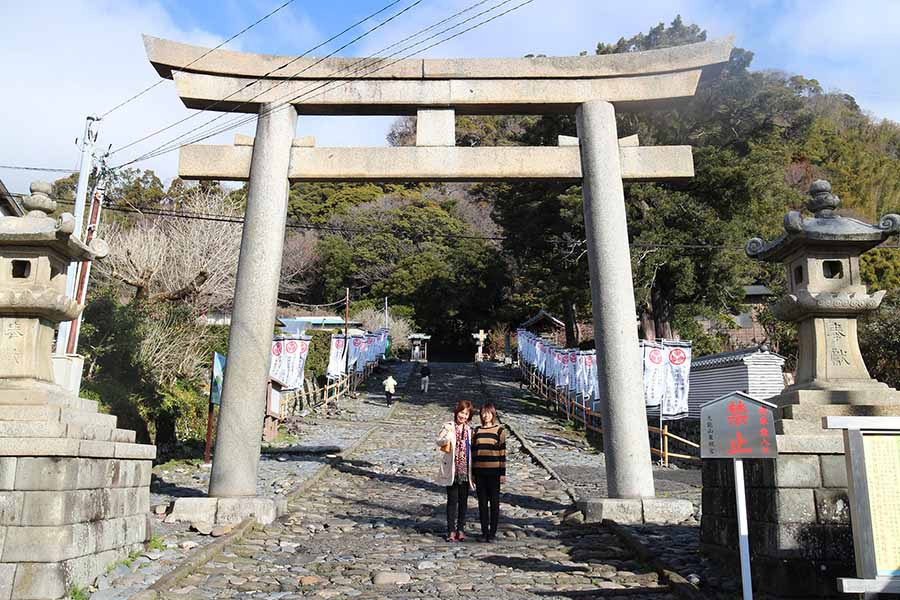
The approach begins at the foot of Mount Kunozan, along the coast of Suruga Bay, a place famous for its Ishigaki strawberries. Mount Kunozan itself has been strictly guarded as the tomb of Tokugawa Ieyasu.
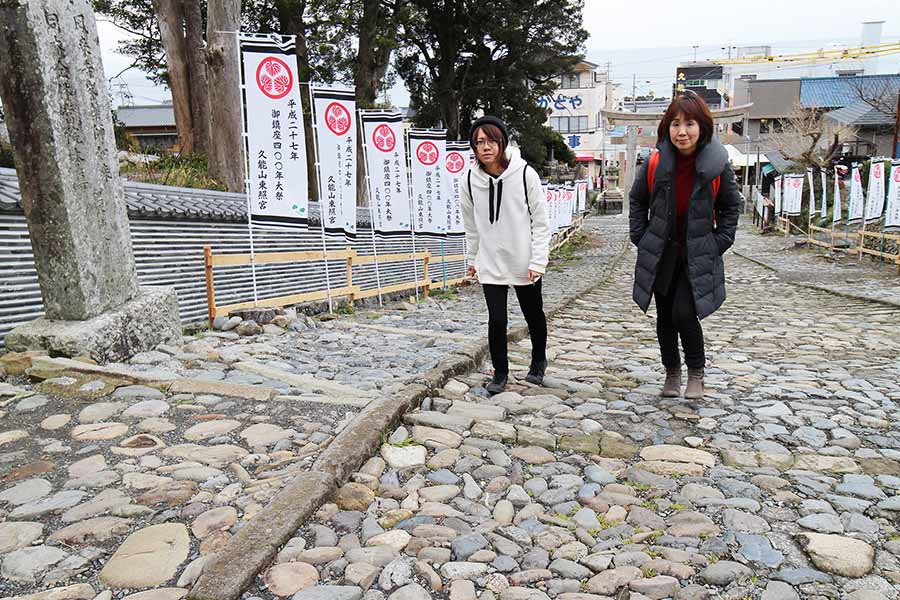
The term “Gochinza” refers to the deification of Tokugawa Ieyasu as Tōshō Daigongen following his death. The stone wall, which was repaired to mark the 400th anniversary of his enshrinement, stands to the right as we begin climbing the stone steps.
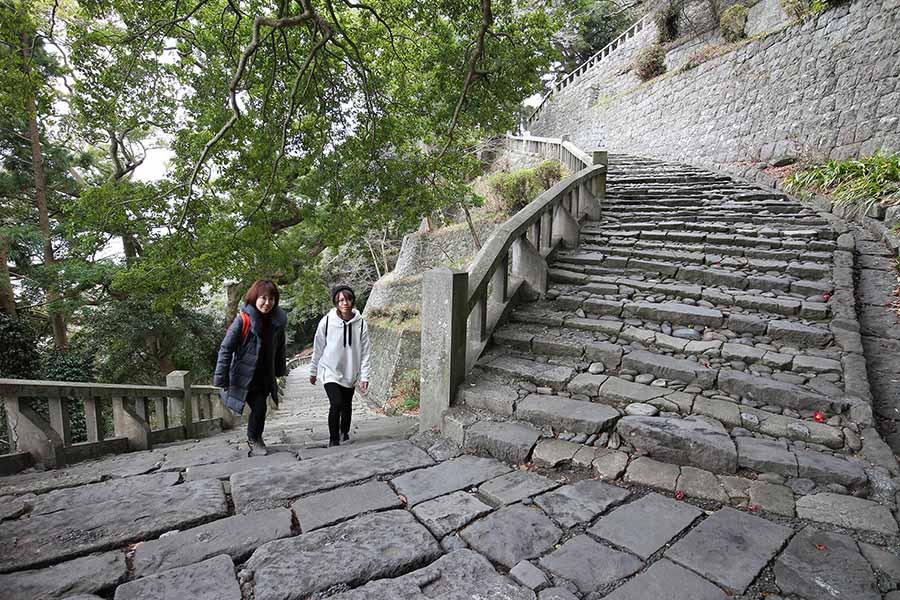
The 1,159 stone steps are often described as “a real slog.” Once you get used to them, it takes about 15 minutes one way; if you take breaks, it’s about 25 minutes. They say the Shinto priests climb these steps every day, but if you take the ropeway from Nihondaira, you can get there easily in just five minutes.
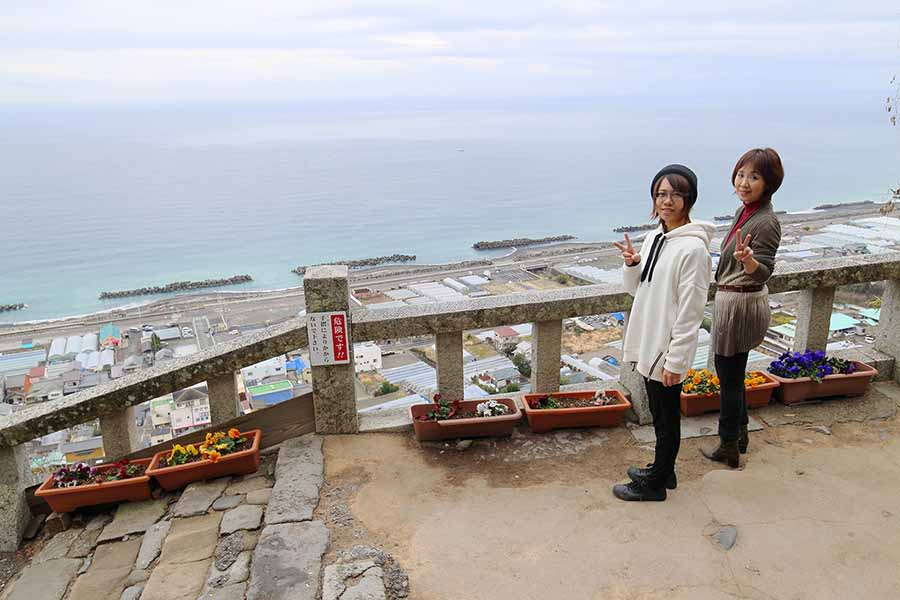
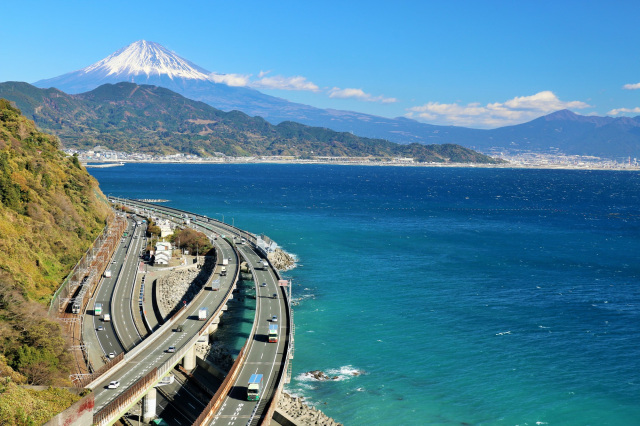
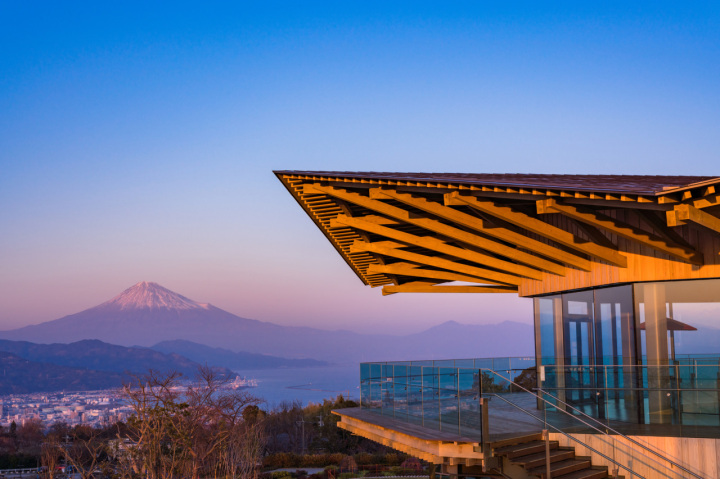
In front of the "First Gate," near the top of the climb. The view of Suruga Bay from there. The Toshogu Shrine main hall is built with Mount Fuji behind it and facing Omaezaki.
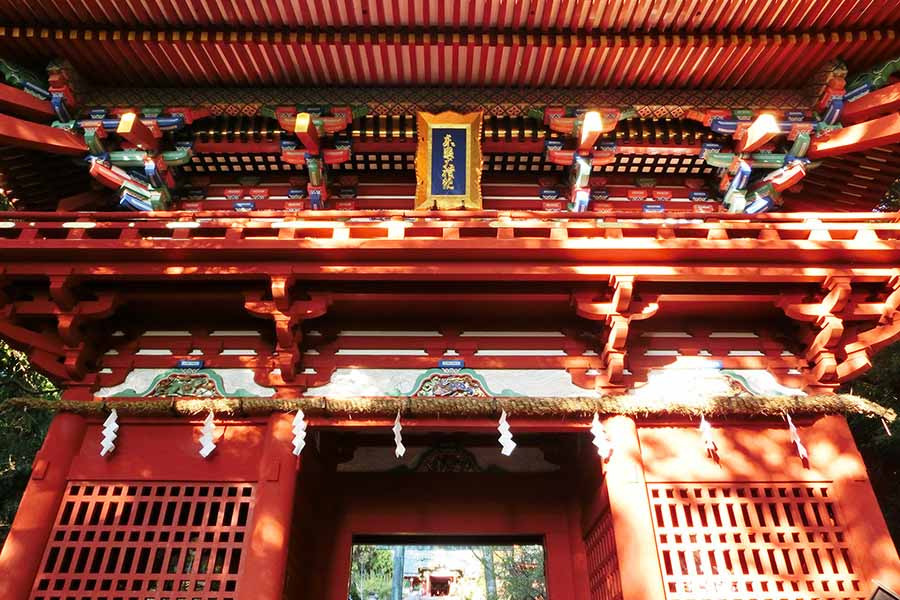
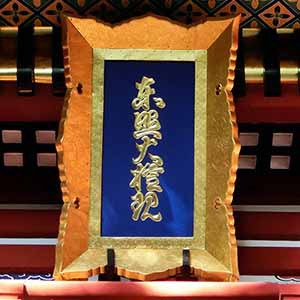
The majestic gate. The characters "Tōshō Daigongen" were written by Emperor Go-Mizunoo.
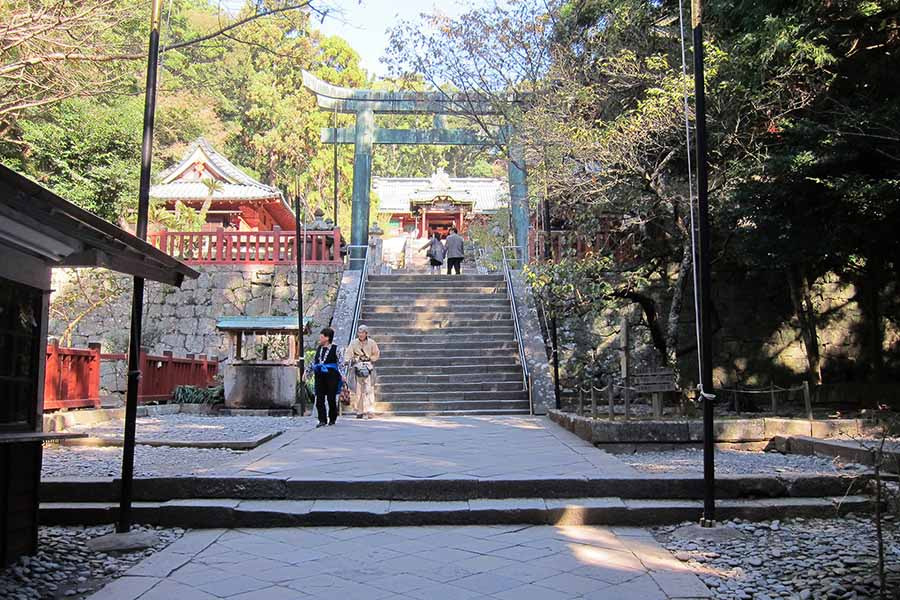
The view of the shrine grounds as you pass through the main gate. Beyond the torii gate lies the Karamon gate, and the main hall stands beyond that.
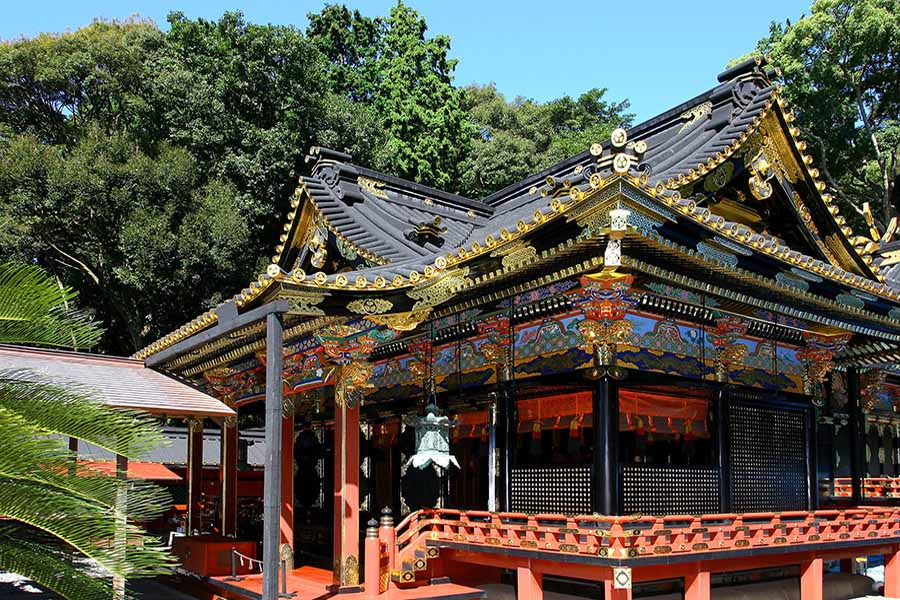
The view of the shrine grounds as you pass through the gate. Beyond the torii gate lies the Karamon gate, and the main hall lies beyond that.
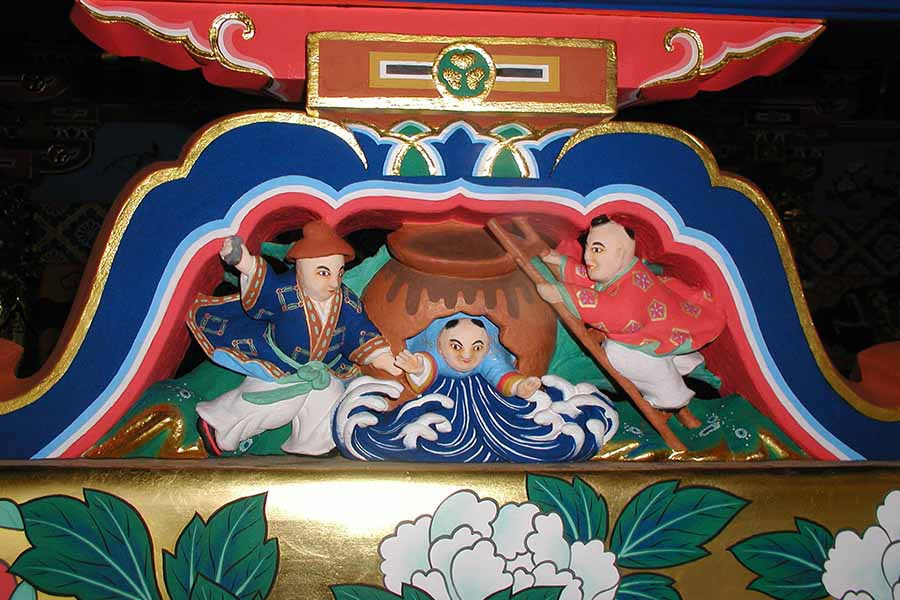
The sculpture titled "Sima Guang Splitting the Turtle" is located at the front of the worship hall. It is adorned with decorations that pray for peace and emphasize the sanctity of life.
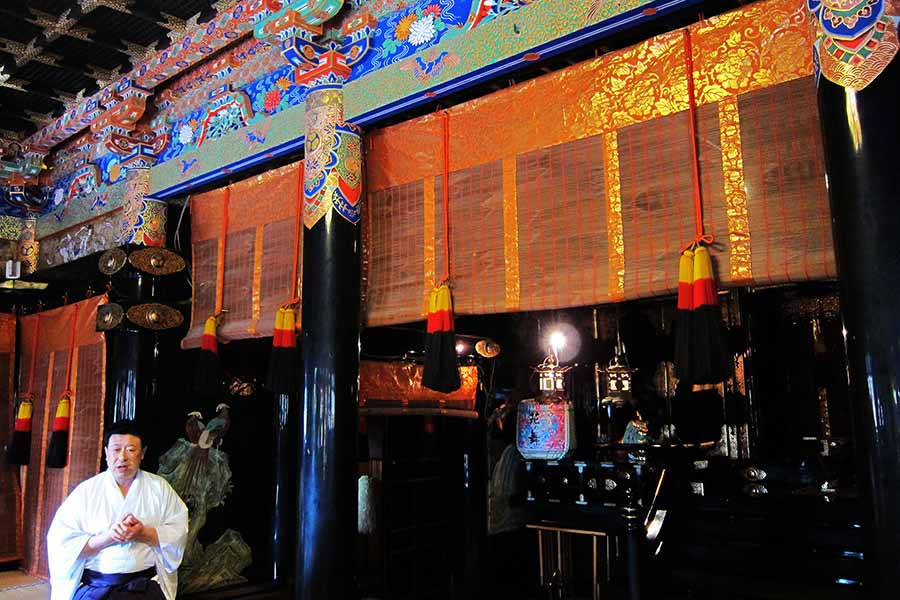
I made a request for a prayer service and was allowed to enter the main hall. The interior was dazzlingly colorful.
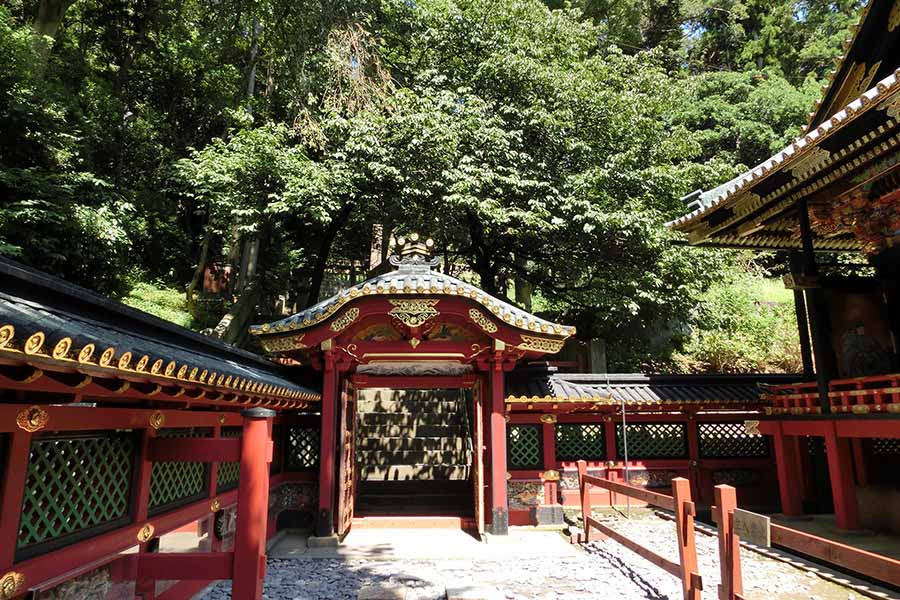
The shrine gate on the left side of the main hall. It marks the entrance to the shrine (the tomb of Tokugawa Ieyasu), which was closed to the public until 50 years ago.
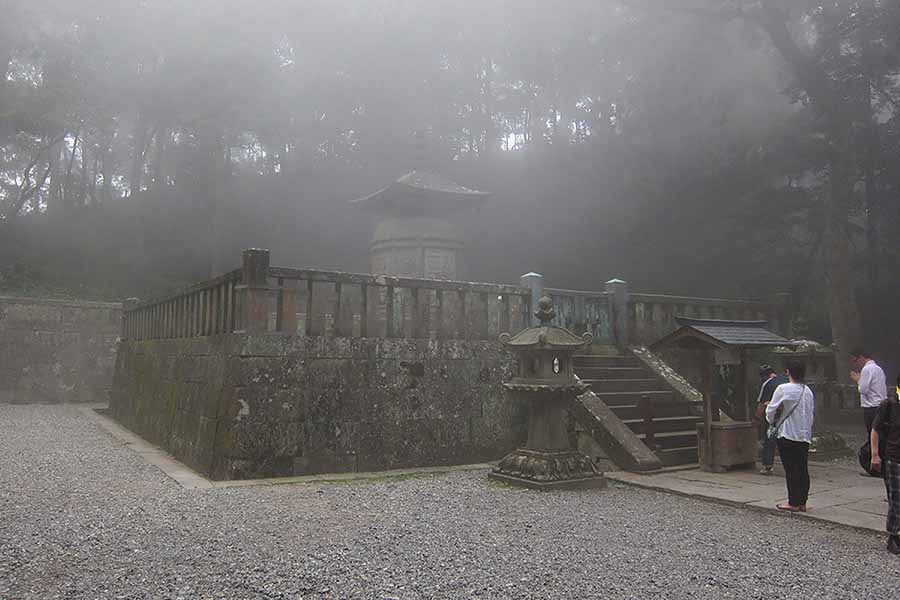
The "Shinbyo," the tomb of Lord Tokugawa Ieyasu, the Divine Lord, which the Edo Shogunate has secretly guarded all these years. No matter when you visit, a sacred atmosphere pervades the air.
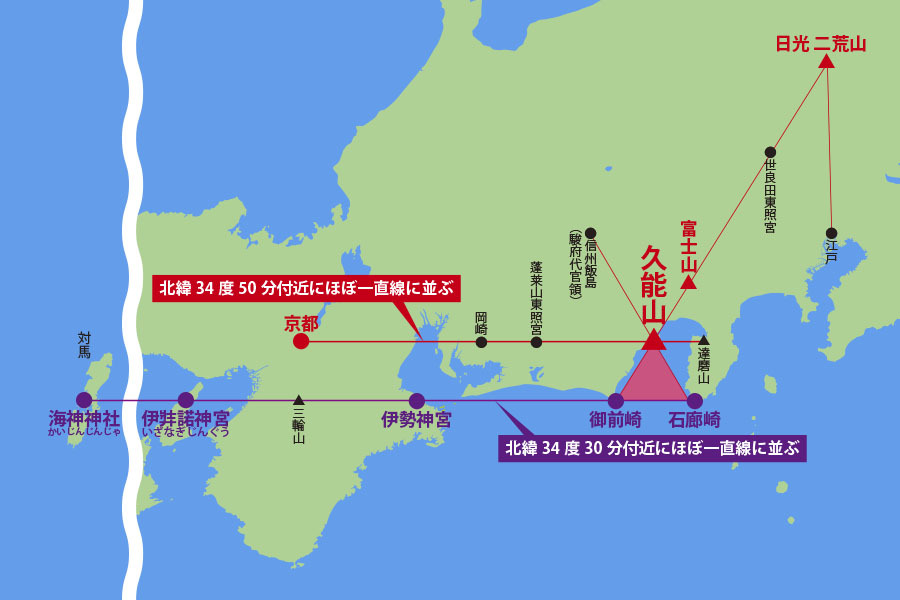
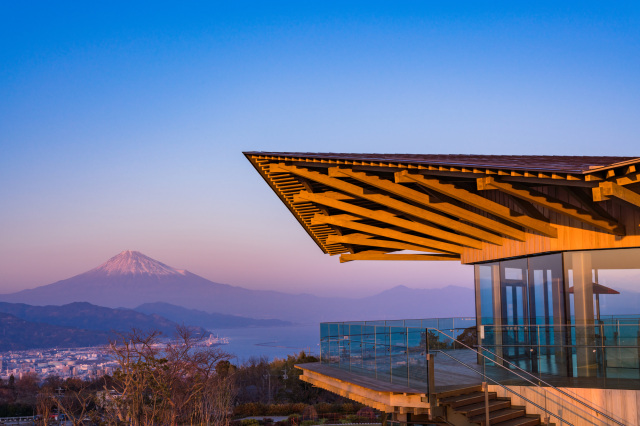
Mount Fuji lies to the northeast (the "demon gate"), and Omaezaki to the southwest (the "rear demon gate"). Some theories suggest that Mount Kunō serves as the origin point of Japanese feng shui.
Related Information
Local Information
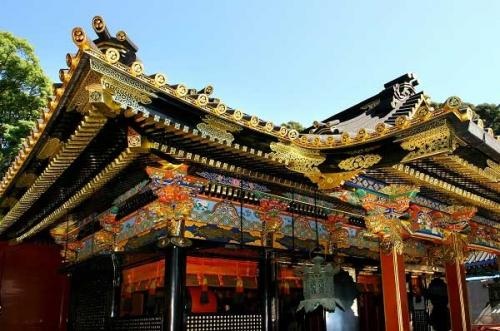
- Kunozan Toshogu Shrine (Route via the ropeway from Nihondaira)
- (This is the route to Kunozan Toshogu Shrine via the ropeway from Nihondaira)From his early childhood, Tokugawa Ieyasu overcame …
- See More
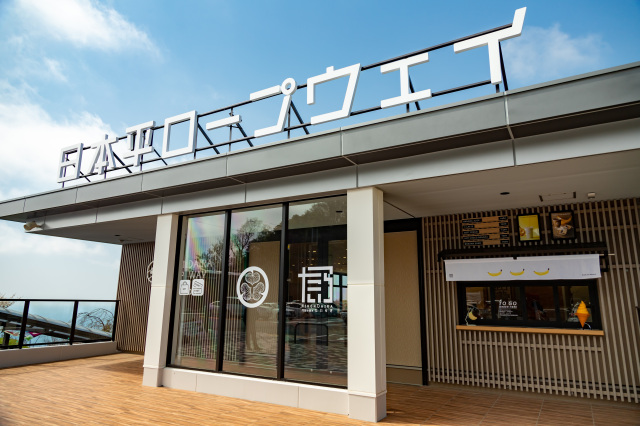
- Nihondaira Ropeway
- The Nihondaira Ropeway is a cable car that connects the summit of Nihondaira—a scenic spot that has been ranked first in t…
- See More
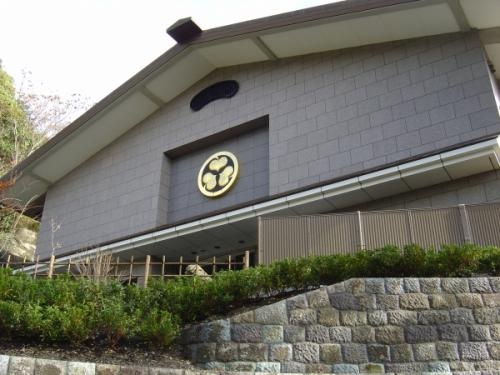
- Kunozan Toshogu Museum
- The Kunozan Toshogu Museum is a museum attached to Kunozan Toshogu Shrine, which enshrines Tokugawa Ieyasu.The museum houses the…
- See More
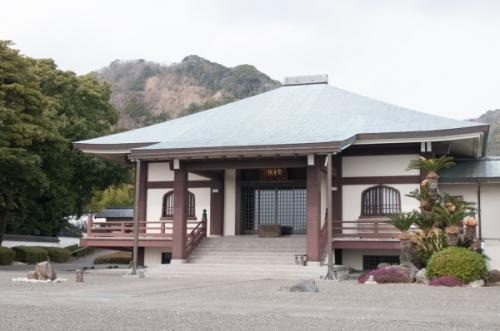
- Hōdai-in Sub-temple
- Hōdai-in Betsuin was formerly known as Shōkyū-ji. Located to the west of Kunozan Tōshō-gū, it is the family temple of Sakakibara…
- See More
Map of Nearby Attractions
Trip Route
- Kunozan Toshogu Shrine (Route via the ropeway from Nihondaira)
- Nihondaira Ropeway
- Kunozan Toshogu Museum
- Hōdai-in Sub-temple
If you load Google Map beyond the daily limit, it may not display correctly.
![[Sunpu Castle Park] The setting for the](/lsc/upfile/article/0000/0035/35_1_m.jpg)