条件指定で探す
Category
Select your preferences
Area
Distance
Searched under these conditions
検索結果
There were 75 results
- Sort by
- Most popular
- Nearest
- Last Updated Date
- Toggle view
- Tile
- List
- Map
Site of the Honjin at Kambara-juku
The Honjin Site is the former location of the honjin in Kambara-juku.A honjin was always established in every post town. Its role was to serve as a lodging place for daimyo traveling back and forth along the Tōkaidō Road as part of the sankin-kōtai system. Although there were two honjin in Kamabara-juku—the East Honjin and the West Honjin—the sit…
- Shimizu and Miho
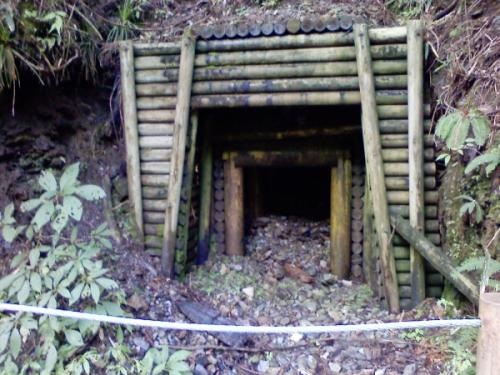
Hikagezawa Gold Mine Ruins
This gold mine flourished most during the time when Tokugawa Ieyasu served as the Grand Elder in Sunpu. It is said that the “Keichō Koban”—Japan’s first standardized currency, minted at the Sunpu Gold Mint—was also produced using gold mined here.Starting from the Hikagezawa Waterfront Park “Uo-Uo no Sato,” this course takes just over an hour to c…
- Okuzizu
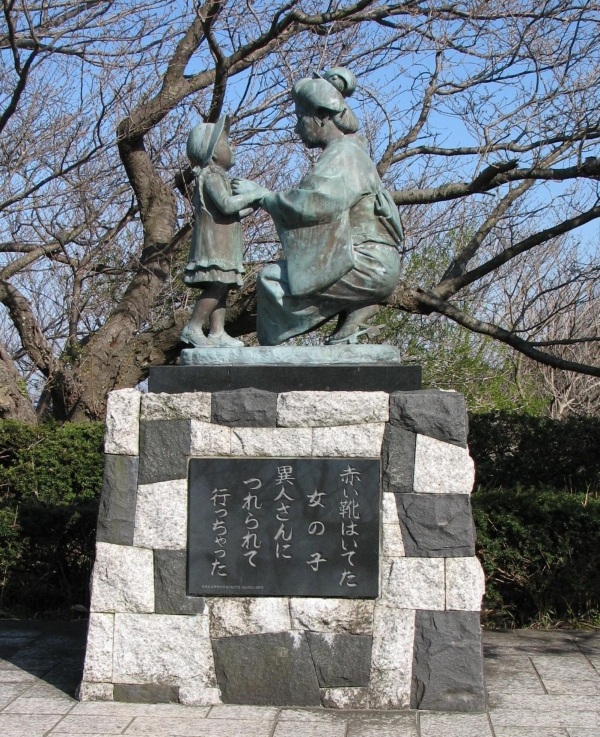
"The Statue of the Mother and Child in Red Shoes" at the Summit of Nihondaira
The girl and her mother from "The Red Shoes"—a song with lyrics by Ujo Noguchi and music by Chosei Motoi that has been beloved by many—were originally from what is now Shimizu Ward in Shizuoka City. Using donations from across the country, the "Red Shoes Mother and Child Statue" was erected on the summit of Nihondaira, overloo…
- Nihondaira, Kunō, and Tōro
Bank of Japan, Shizuoka Branch
Kanazacho, where the Bank of Japan’s Shizuoka Branch is located, was home to the Edo-period Kanaza (Koban-za), where “Suruga Koban” coins were minted. The Keicho Koban coins of the early Edo period were minted using gold collected from mines such as Umegashima Gold Mine (Hikagezawa Gold Mine, Sekinozawa Gold Mine, and Yunomori G…
- Shizuoka City Center
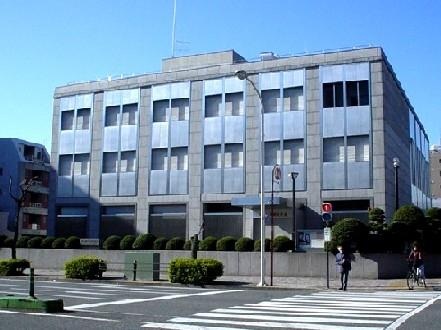
Shizuoka City Flood Control Exchange Museum: Kawanabi
The Shizuoka City Flood Control Exchange Museum is a facility designed to provide a place for learning about flood control projects and past flood disasters, to raise disaster prevention awareness among citizens, and to promote the development of a disaster-resilient city. It also displays information, testimonies, and records regarding the Tanab…
- Nihondaira, Kunō, and Tōro
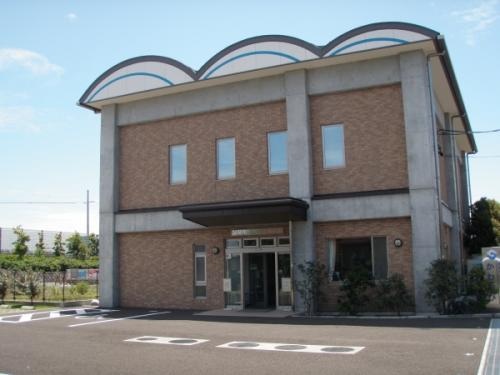
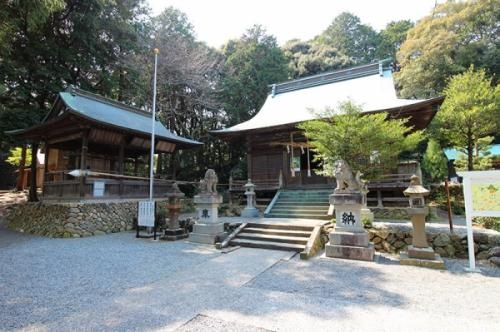
Munakata Shrine
This is Okitsu Munakata Shrine, the guardian deity of fishermen. It enshrines the Munakata deities, who are revered as the guardians of the seas, and is said to have been founded in the mid-Heian period. During the annual festival on July 31, rituals such as the "Tanyu" (hot spring divination) and "Me no Wa Kuguri" (passing th…
- Shimizu and Miho
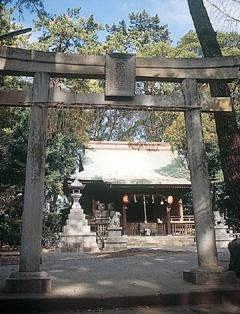
Omura Family Residence
This traditional house features a thatched roof known as a "kabuto-zuki" style, which blends harmoniously with the surrounding mountains.*Viewing is limited to the exterior of the property. Interior tours are not available.[Shizuoka City Designated Important Landscape Structure]
- Okuzizu
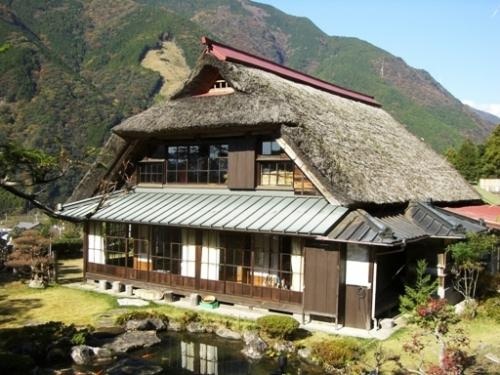
Kosumi Shrine
It is said that when Tokugawa Ieyasu was still a child, known as Takechiyo, he stopped at this shrine to pray for continued success in battle before meeting Imagawa Yoshimoto as a hostage. Revered as the guardian deity of Sunpu Castle, the shrine enjoyed the patronage of the Tokugawa family for many years.
- Shizuoka City Center
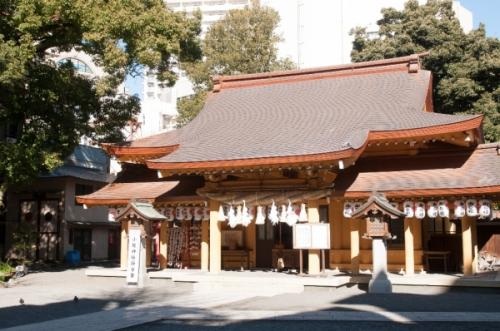
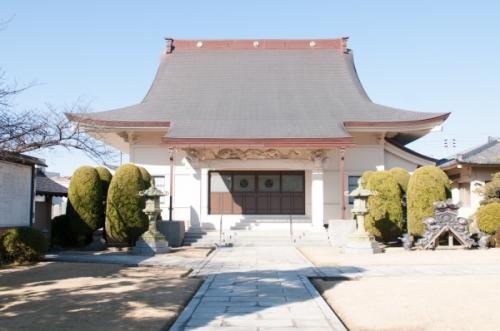
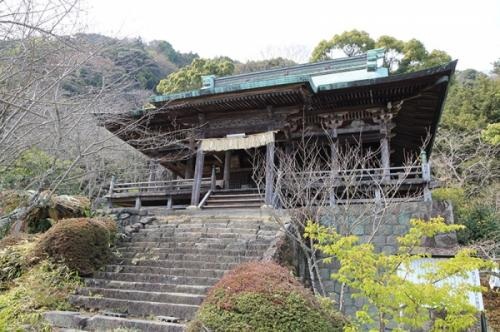
Reizan-ji Temple
This is one of the Seven Kannon Temples of Suruga (also known as the Seven Kannon Temples of Abe), where it is said that Gyoki, a renowned monk of the Heian period, enshrined a statue of the Thousand-Armed Kannon. It is said to have been founded during the Nara period. Located on a hilltop reached by a 15- to 20-minute climb up stone steps, it of…
- Shizuoka City Center
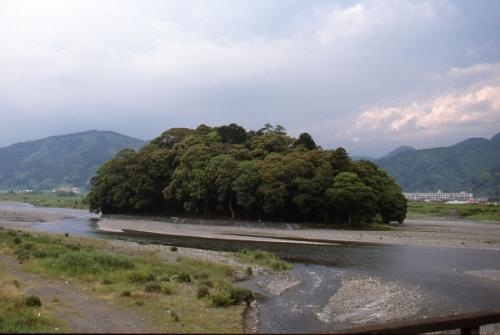
The Forest of the Withering Wind
At Kawajima, located just before the Warashina River—the largest tributary of the Abe River—joins the Abe River, the forest forms a hill shaped like an upturned bowl, and the small island is covered in trees.Since the time of *The Pillow Book*, this place has been cherished as a poetic landmark in Suruga Province. Additionally, the “Kogare-mori M…
- Shizuoka City Center
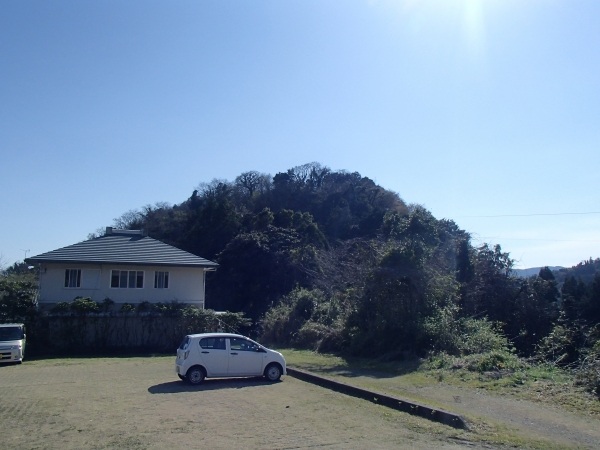
Kambara Castle Ruins
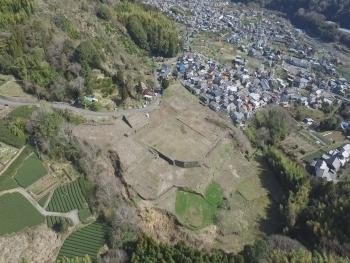
The ruins of Kambara Castle are the site of a castle built by the Imagawa clan in the early Tenbun era (1532–1555) and abandoned by the Tokugawa clan in July of Tenshō 18 (1582).Kamabara Castle was one of many mountain castles built during the early Warring States period. Known as a “peak-style” mountain castle, it featured a main enclosure (honm…
- Shimizu and Miho
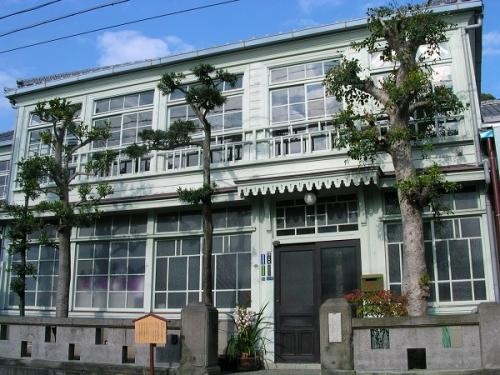
Former Igarashi Dental Clinic
This Western-style building, renovated in 1914, is a Nationally Registered Tangible Cultural Property. Based on an existing townhouse, it features a unique design incorporating glass and clapboard siding; its Western-style architectural elements, such as the accordion-style eaves and the serrated decorations beneath the eaves, are a must-see. It…
- Shimizu and Miho
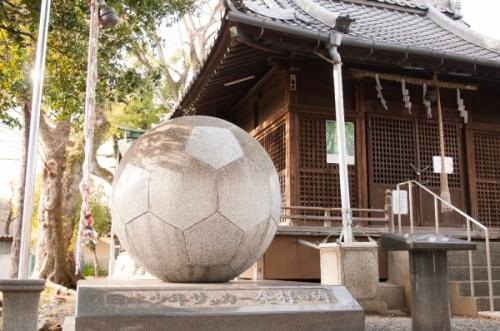
Uomachi Inari Shrine
In 1569 (Eiroku 12), Takeda Shingen built Ejiri Castle on the site of the present-day Ejiri Elementary School. Later, in 1578 (Tenshō 6), the castle’s commander at the time, Anayama Nobukimi (Baisetsu), carried out a major renovation, transforming it into a full-scale castle.It is said that the Inari Shrine was built by Baisei at that time as a s…
- Shimizu and Miho
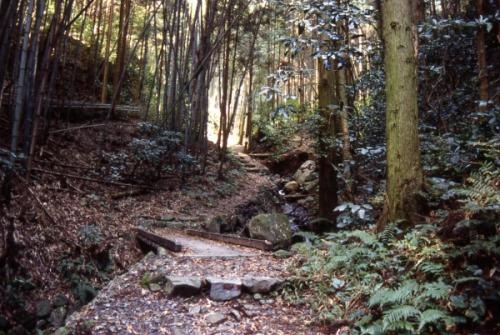
The Ivy-Lined Path
The ancient trail known as “Tsuta no Hosomichi,” which crosses Utsunoya Pass, has a long history dating back to the Nara period and is even mentioned in *The Tales of Ise*. Although traffic on the trail ceased for a time after Toyotomi Hideyoshi constructed a new road to the north during his campaign against Odawara, it is now used as a hiking tr…
- Yōmune and Maruko
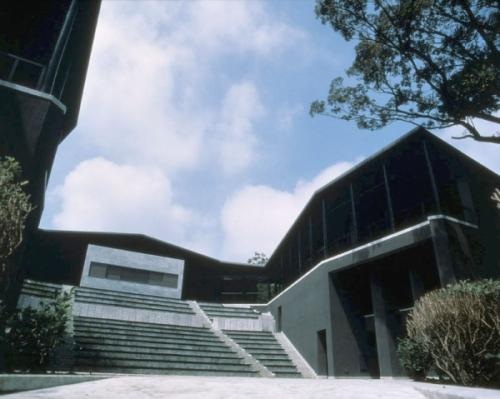
Shizuoka Performing Arts Park (Outdoor Theater "Yuto," Indoor Hall "Elliptical Hall," and Rehearsal Building "BOX Theater")
Located within the lush grounds at the northern foot of Nihondaira—an area about four times the size of Tokyo Dome—this is the headquarters of the Shizuoka Performing Arts Center, where an outdoor theater, an indoor hall, rehearsal spaces, and a training and exchange accommodation building are scattered throughout the grounds.
- Nihondaira, Kunō, and Tōro
Site of the Kojima Jinya
Located on a river terrace on the right bank of the Okitsu River (at an elevation of approximately 60 meters), it offers a panoramic view of the townscape of Kojima stretching along the Minobu Road.The Kojima Domain began in 1704 (the first year of the Hōei era) when Matsudaira Nobuharu established a military headquarters here. For the next 164 y…
- Okuzizu
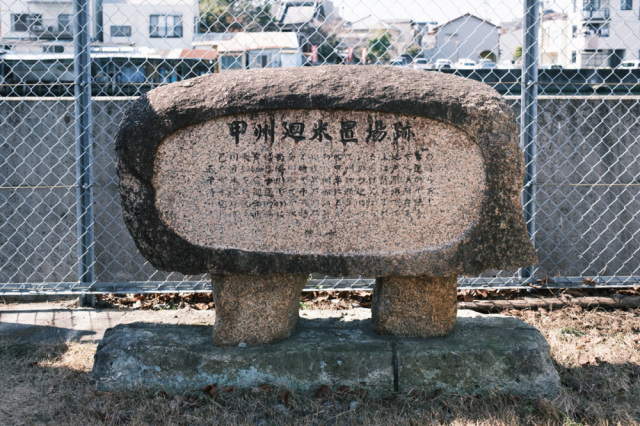
Site of the Former Koshu Rice Storage Yard
The site where the stone monument marking the former Koshu Rice Collection Site at the mouth of the Tomoe River stands was where tax rice from Koshu and Shinano was collected during the Edo period. Across from the monument, the land is still owned by Yamanashi Prefecture.
- Shimizu and Miho
Bōgakutei Fujiya
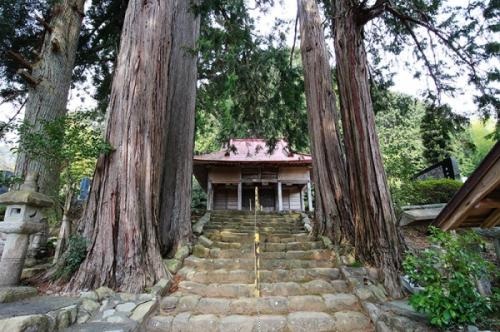
Located at the foot of the eastern entrance to Satta Pass, this place was once a bustling hub for many literati and artists, serving as a secondary post station and tea house.It is said that on March 7, 1868, when Yamaoka Tesshu, commander of an elite unit of Tokugawa shogunate retainers, was being pursued by government forces, he disguised himse…
- Shimizu and Miho
Hōmyō-ji Temple
This is one of the Suruga Seven Kannon (also known as the Abe Seven Kannon), where the renowned monk Gyoki is said to have enshrined a statue of the Thousand-Armed Kannon during the Nara period. It is located on a hill in Ashikubo, which is also the birthplace of Shizuoka tea. It is believed that the Suruga Seven Kannon originated here.
- Okuzizu
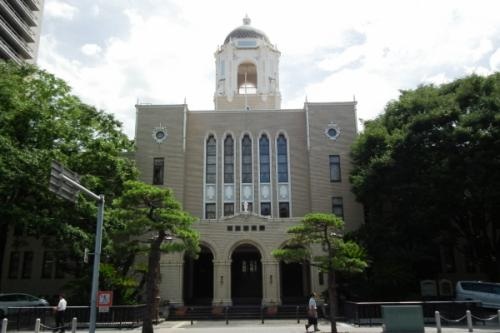
Shizuoka City Hall Main Building
Built in 1934, this striking building features exterior walls dominated by ivory-colored tiles with extensive use of terracotta, as well as a tower topped with a mosaic-tiled dome. It has been designated as a National Registered Tangible Cultural Property.
- Shizuoka City Center
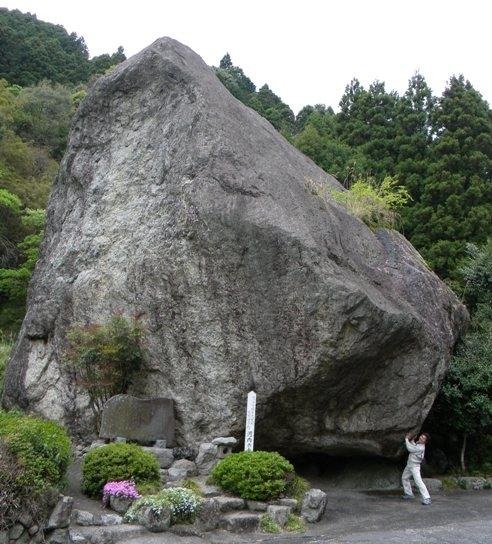
The Great Stone of Kawachi
This massive rock, standing 19 meters tall and measuring 60 meters in circumference, is designated as a municipal cultural property. It is said to have been washed down from Mount Fuji itself by heavy rains the year following the Great Ansei Earthquake. Today, it is revered as Oishi Shrine and is also known as a stone that ensures safe childbirt…
- Okuzizu
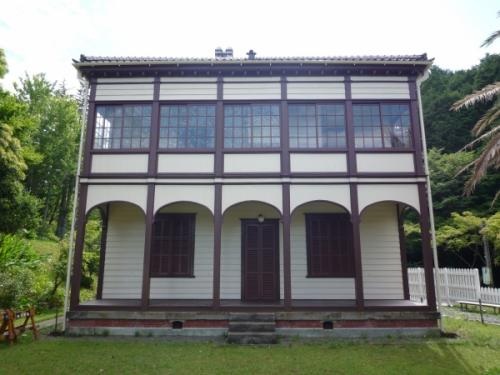
Former Embersons Residence
Welcome to a world from 100 years ago. The Former Embersons Residence was built in 1904 as the private home of Reverend Robert Embersons, a Christian missionary sent from Canada, and is designated as a City Tangible Cultural Property. It features the unique atmosphere of Meiji-era Western-style architecture, blending Western and Japanese design e…
- Nihondaira, Kunō, and Tōro
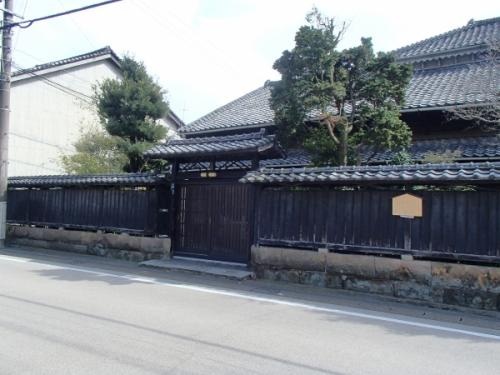
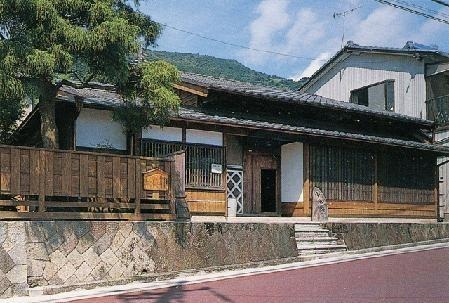
The Koike Residence: The Manor of the Tokaido Village Headman
Built during the Meiji period, this former residence of a Tokaido village headman offers a glimpse into the atmosphere of a traditional Edo-period home. It also serves as a rest stop for walkers. It is a Nationally Registered Tangible Cultural Property.
- Shimizu and Miho
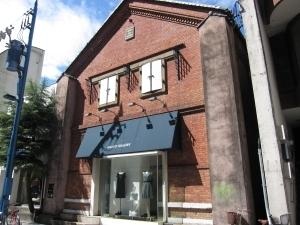
Yazawa Brick Warehouse
Originally built as a warehouse for a lacquerware shop, it has withstood the Great Shizuoka Fire and the ravages of war.The red brick adds a distinctive accent to the streetscape of Nanaken-cho, creating a unique and charming atmosphere.*Viewing is limited to the exterior. Only customers using the store are permitted to tour the interior (partial…
- Shizuoka City Center
Hōdai-in
This is the family temple of O-Ai, a concubine of Tokugawa Ieyasu. O-Ai is known for having warmly supported Ieyasu during his difficult times and for being the wife of Sōtō, a retainer who was deeply respected by Ieyasu’s vassals. The temple houses a statue of Amida Buddha, known as the “White Principal Image,” which, along wit…
- Shizuoka City Center
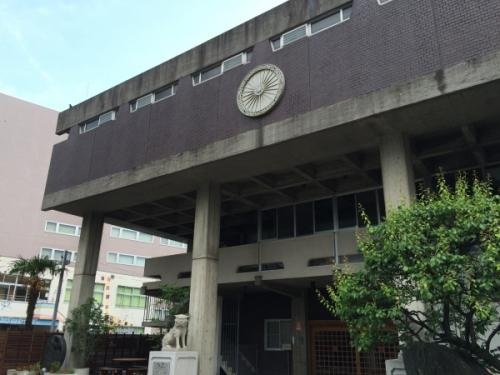
Ryūjin-ji Temple
This ancient temple belongs to the Myōshin-ji branch of the Rinzai school of Zen Buddhism. During the Edo period, it served as the family temple of the Takigawa Matsudaira clan, lords of the Kojima domain, and received their generous patronage. In addition to housing the tomb of Lord Masanobu, the third lord of the Kojima domain, the temple also …
- Okuzizu
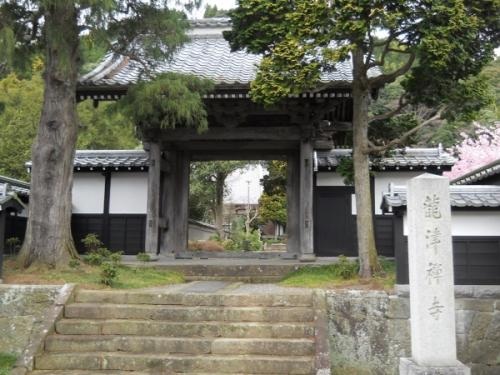
Heisaku-ji Temple
This is one of the Seven Kannon of Suruga (also known as the Seven Kannon of Abe), said to have been enshrined by the renowned monk Gyoki during the Nara period. It is located on the slopes of Mt. Yudo—famous for Nihondaira—behind the hill where the Shizuoka Prefectural Library and the Prefectural Museum of Art are situated. It is also known as “…
- Nihondaira, Kunō, and Tōro
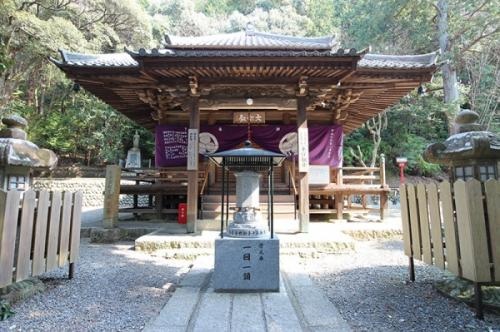
Kenho-ji Temple
This is one of the Suruga Seven Kannon (Abe Seven Kannon), said to have been established during the Nara period when the renowned monk Gyoki enshrined a statue of the Thousand-Armed Kannon here. Revering Kōbō Daishi (Kūkai) as its founder, it was a temple dedicated to scholarship established in the 7th century. Although it flourished greatly unti…
- Okuzizu
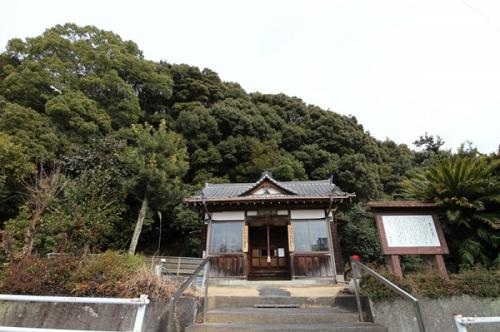
Kusanagi Shrine
This shrine is dedicated to Prince Yamato Takeru, and its annual grand festival is held on September 20. On the holidays surrounding that date, the Ryusei Fireworks (designated as an Intangible Folk Cultural Property of Shizuoka Prefecture) are launched in a spectacular display.
- Nihondaira, Kunō, and Tōro
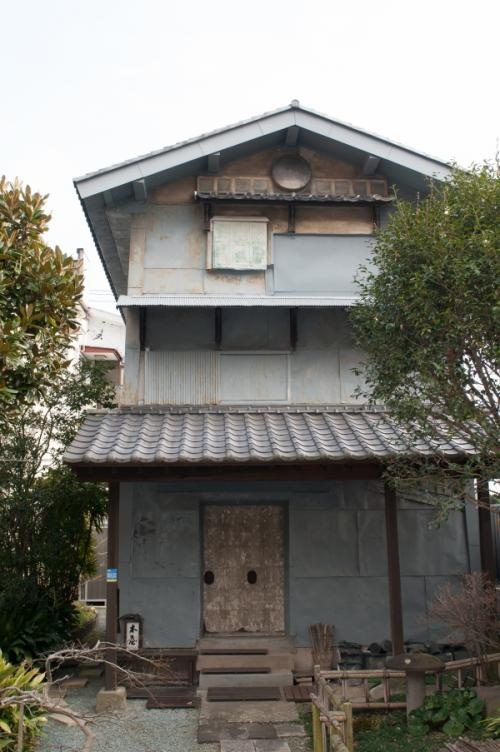
Kiya Edo Museum
Originally a lumber wholesaler operating under the trade name "Kiya" in the Kamabara area, this was a distinguished family that served as the head of the local council during the Edo period. It is the fifth-oldest three-story earthen storehouse in Japan and was constructed using earthquake-resistant building techniques of the time. The …
- Shimizu and Miho
Tokugan-ji Temple
One of the Suruga Seven Kannon (also known as the Abe Seven Kannon), this temple is said to be where the renowned monk Gyōki enshrined a statue of the Thousand-Armed Kannon during the Nara period. It is located atop Tokuganji Mountain, overlooking downtown Shizuoka City, and houses the tomb of Lady Kitagawa, the grandmother of Imagawa Yoshimoto.
- Yōmune and Maruko
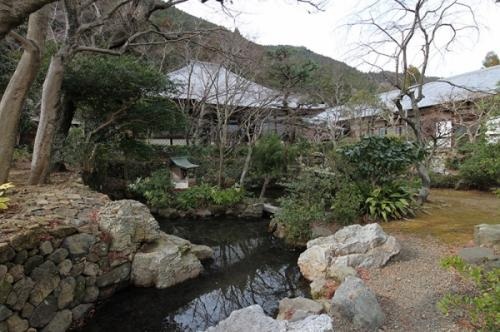
Yōkaiji
A famous temple that served as a place of prayer for the Tokugawa clan and has ties to the Imperial Family. Within the temple grounds stands a signpost for the "Minobu Road" written in the hand of Yasui Oemaru, and the temple houses valuable artifacts such as calligraphy by Katsu Kaishu and Yasunari Kawabata.
- Shimizu and Miho
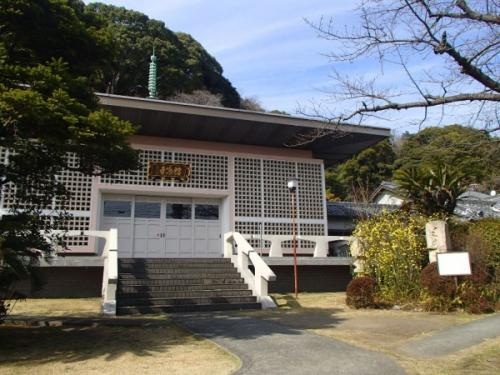
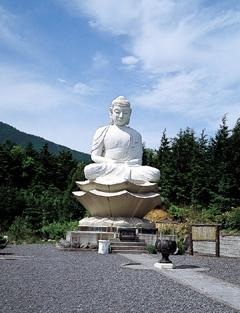
Ikawa Great Buddha
This Great Buddha was built over a period of four years by Heichiro Sato, a dentist at the Igawa Clinic, as an expression of gratitude for 60 years of good health. Standing 11 meters tall, it was consecrated on November 1, 1980. An annual festival is held every October.
- Okuzizu
Hōdai-in Sub-temple
Hōdai-in Betsuin was formerly known as Shōkyū-ji. Located to the west of Kunozan Tōshō-gū, it is the family temple of Sakakibara Shōkyū, who served closely by the side of Tokugawa Ieyasu and enjoyed his deep trust.On April 17, 1616 (Genna 2), when Tokugawa Ieyasu passed away at Sunpu Castle, the second shogun, Hidetada, immediately ordered the co…
- Nihondaira, Kunō, and Tōro
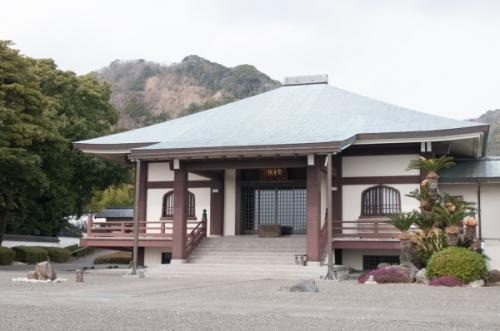
Kojō-ji Temple
This temple enshrines a lock of hair from Okazaki Saburō Nobuyasu, a military commander who, despite being born as the eldest son of Tokugawa Ieyasu, was forced to commit suicide after being accused of treason. A memorial stupa remains at the temple, which is said to have been visited by daimyō on their sankin-kōtai pilgrimages and by Korean dipl…
- Shimizu and Miho