条件指定で探す
Category
Select your preferences
Area
Distance
Searched under these conditions
検索結果
There were 75 results
- Sort by
- Most popular
- Nearest
- Last Updated Date
- Toggle view
- Tile
- List
- Map
Sunpu Castle Park
A historic site where Tokugawa Ieyasu built his estate and spent his retirement
This park is located on the site of "Sunpu Castle," where Tokugawa Ieyasu spent his later years as the "Ōgosho" after stepping down from the position of shogun.Protected by double moats and stone walls, the park serves as a place of relaxation for citizens while conveying the historical significance cherished by the ruler of t…
- Shizuoka City Center
Kunozan Toshogu Shrine (Route via the ropeway from Nihondaira)
(This is the route to Kunozan Toshogu Shrine via the ropeway from Nihondaira)From his early childhood, Tokugawa Ieyasu overcame every hardship and adversity to become Shogun. Having spent his later years in Sunpu (present-day Shizuoka City), Ieyasu passed away on April 17, 1616, at the age of 75.Shortly before his death, Lord Ieyasu entrusted his…
- Nihondaira, Kunō, and Tōro
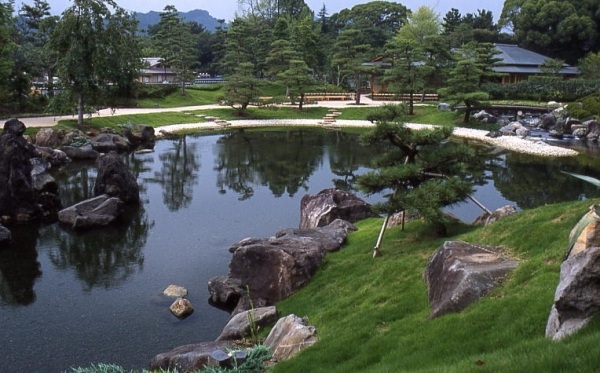
Sunpu Castle Park, Momijiyama Garden
Kōyōzan Garden was designed with a focus on playfulness and enjoyment, drawing on the historical context of Sunpu Castle Park and reflecting the style of daimyo gardens., with a focus on playfulness and enjoyment. Centered around four gardens that express the nature and scenic beauty, this garden offers the charm of ever-changing scenery througho…
- Shizuoka City Center
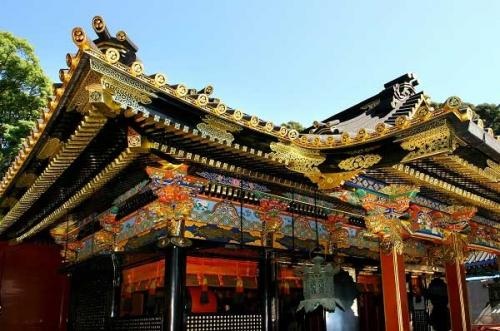
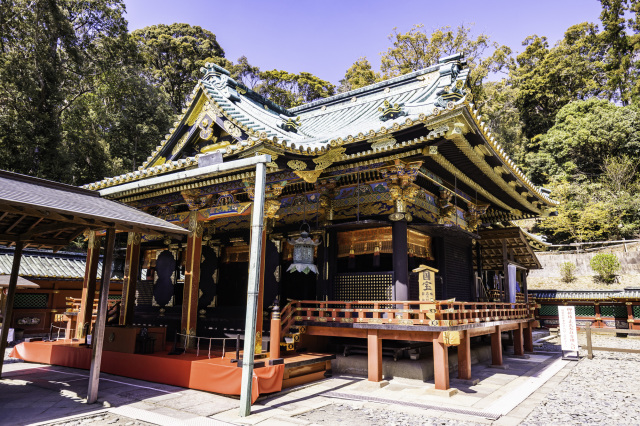
Kuno-zan Toshogu Shrine
A sacred site associated with Tokugawa Ieyasu. A National Treasure shrine building overlooking Suruga Bay
This shrine marks the founding of Tōshō-gū, where the remains of the late Tokugawa Ieyasu were first enshrined in accordance with his will.The shrine building, entirely lacquered and painted in vivid colors, served as the prototype for the Gongen-zukuri style and has been designated a National Treasure for its splendor and historical significance…
- Nihondaira, Kunō, and Tōro
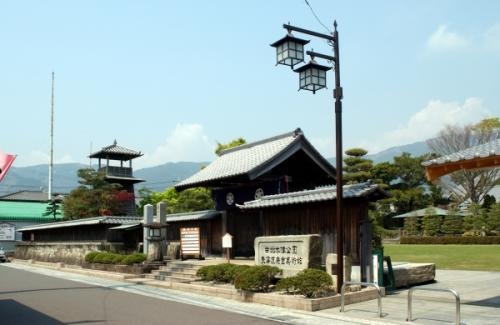
Tokaido Yui-juku Exchange Center
Comprising three areas—Culture, Tourism, and Rest—this facility serves as a multipurpose space where visitors can learn about the history of the Yui district, access tourist information, and engage with the local community.
- Shimizu and Miho
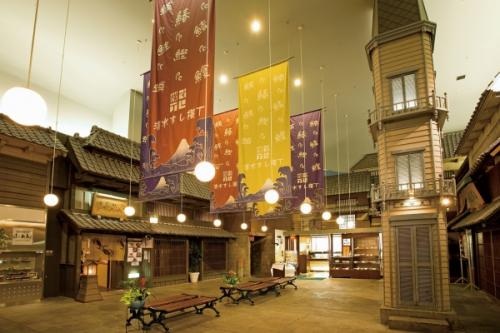
Shimizu Sushi Museum
The "Shimizu Sushi Museum" was established as Japan's first sushi theme park. It is divided into two areas: "Shimizu Sushi Yokocho," which offers free admission, and a paid zone centered around the "Sushi Gakudo" on the second floor. At "Shimizu Sushi Yokocho," you can enjoy a variety of delicious sushi.
- Shimizu and Miho
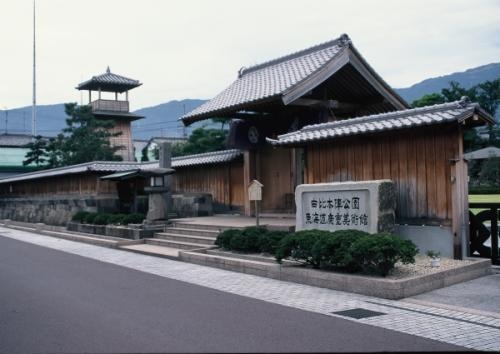
Yui Honjin Park
Honjin Park is located in the heart of Yui. It is said that during the Edo period, Yui-juku was a bustling hub, home to one honjin (an inn where feudal lords stayed), one waki-honjin, and 32 ryokan inns.The main gate, stone walls, wooden fences, and horse watering troughs evoke the atmosphere of that era, making the park a valuable experiential z…
- Shimizu and Miho
Shizutetsu Restaurant Gyokuro no Sato
At "Chanokatei," the dining venue in the home of Gyokuro tea, we offer the hospitality of Cha no Hana, where we prepare fresh, just-harvested ingredients with care and skill. Please enjoy the flavors of the season as a simple, warm atmosphere blossoms on your table. From "Hyogetsutei," you can gaze out at beautiful natural sce…
+ detail_195.html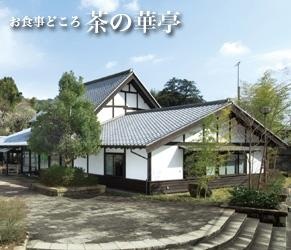
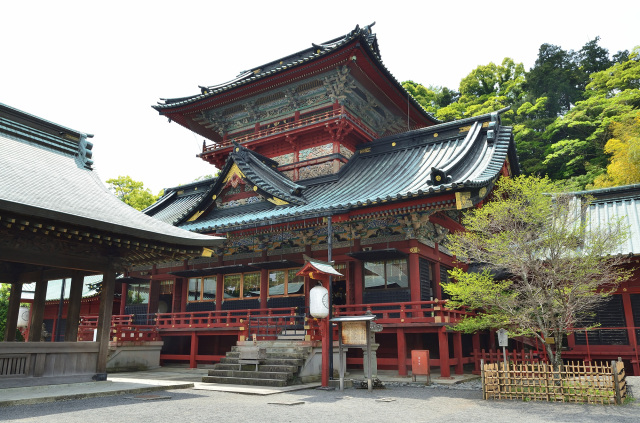
Shizuoka Sengen Shrine
The shrine complex of Suruga Province’s principal shrine, associated with Tokugawa Ieyasu and boasting a history of two thousand years
Affectionately known as “Osen-gen-sama,” Shizuoka Sengen Shrine is the place where Tokugawa Ieyasu held his coming-of-age ceremony while serving as a hostage to the Imagawa clan—a place that can be called the “origin of the ruler of the realm,” where he first harbored his grand ambitions.The shrine grounds are lined …
- Shizuoka City Center
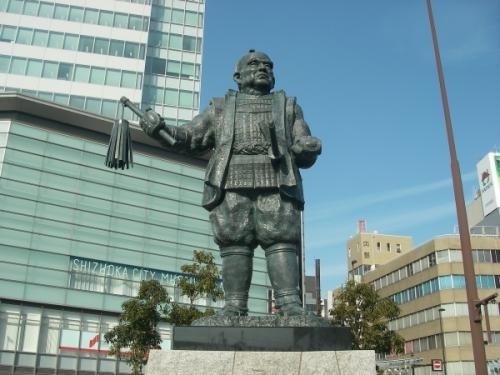
Statues of Tokugawa Ieyasu and Takachiyo
The statues of Lord Tokugawa Ieyasu and Takachiyo (Ieyasu’s childhood name) are located in the plaza at the north exit of JR Shizuoka Station.Lord Ieyasu spent his childhood as a hostage, the few years before moving to Edo, and his later years as the "Great Elder" at Sunpu Castle.The statue of Prince Takechiyo depicts Lord Ieyasu during…
- Shizuoka City Center
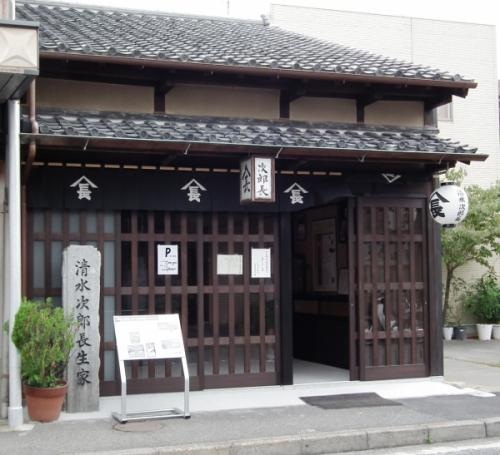
The Birthplace of Jirocho
Located in a shopping district called "Jirocho Street," the museum displays photographs of Shimizu Jirocho, Omasa, and Komasa, as well as tools and artifacts used by Jirocho. The living room and other areas have been preserved exactly as they were in those days. Jirocho's real name was Yamamoto Chogoro. He was the adopted son of Ya…
- Shimizu and Miho
Shizuoka City Tokaido Hiroshige Museum
This is Japan’s first museum dedicated to ukiyo-e that bears the name “Hiroshige.”The collection comprises approximately 1,400 works, focusing on masterpieces from his landscape print series, including his representative works *The Fifty-Three Stations of the Tōkaidō* (Hōeidō edition), *The Fifty-Three Stations of the Tōkaidō* (…
- Shimizu and Miho
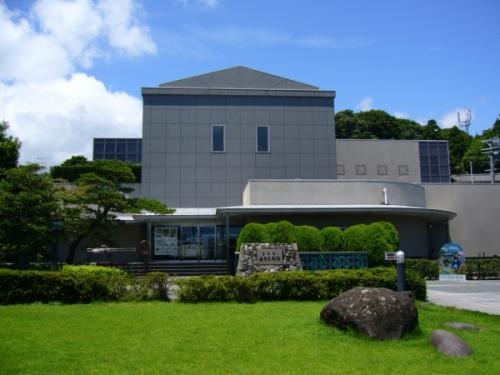
Kunozan Toshogu Museum
The Kunozan Toshogu Museum is a museum attached to Kunozan Toshogu Shrine, which enshrines Tokugawa Ieyasu.The museum houses the "Important Cultural Property: Hada Armor," the armor worn by Lord Tokugawa Ieyasu at the Battle of Sekigahara; the "National Treasure: Paulownia Crest Silk-Wrapped Tachi Mounting (National Treasure: Tachi…
- Nihondaira, Kunō, and Tōro
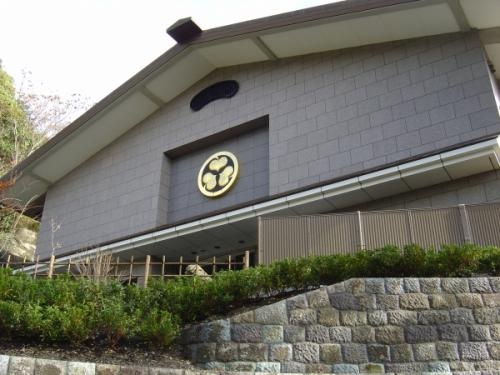
Toro Ruins / Shizuoka City Toro Museum
A familiar sight from textbooks! Experience ancient life in a Yayoi-period settlement
The Toro Ruins, which are even featured in textbooks, are the remains of a representative Yayoi-period settlement designated as a National Special Historic Site.With pit dwellings, raised-floor storehouses, and rice paddies stretching out before you, stepping inside allows you to experience firsthand what life was like 2,000 years ago.The adjacen…
- Nihondaira, Kunō, and Tōro
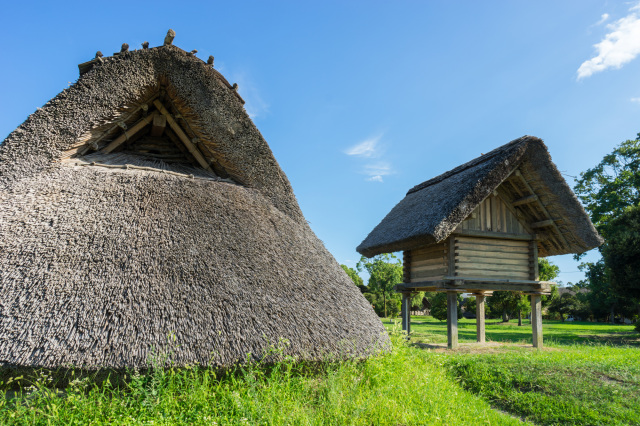
Site of Lord Tokugawa Yoshinobu's Residence · Fugetsuro
Kaiseki cuisine inspired by the 24 solar terms, served at the place where the last shogun spent his final years
This historic Japanese restaurant stands on the site of the former residence where Tokugawa Yoshinobu, the last shogun of the Edo shogunate, spent more than 20 years following the turbulent Bakumatsu period and the Restoration of Imperial Rule.Although located in the heart of the city, just a 3-minute walk from Shizuoka Station, once you step thr…
- Shizuoka City Center
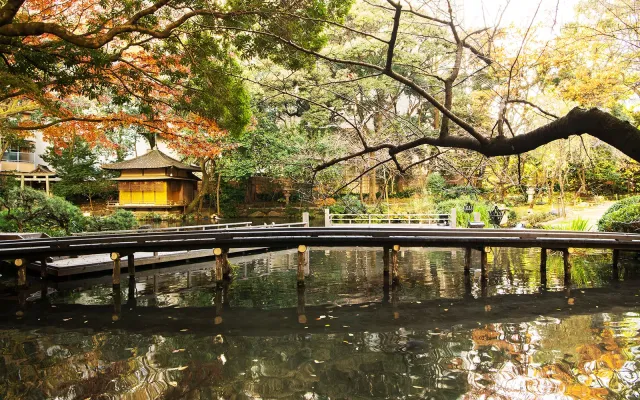
Shimizu Port Boat House Memorial Hall "Suehiro"
The Jirocho Boat House Memorial Museum, dedicated to Jirocho, who contributed greatly to the development of Shimizu Port
This memorial hall is a reconstruction of "Suehiro," the boat inn operated in his later years by Jirocho Shimizu—a legendary outlaw who was active from the late Edo period through the Meiji era—to promote the development of Shimizu Port.It preserves the story of his turbulent life, from his days as a young gang leader to his…
- Shimizu and Miho
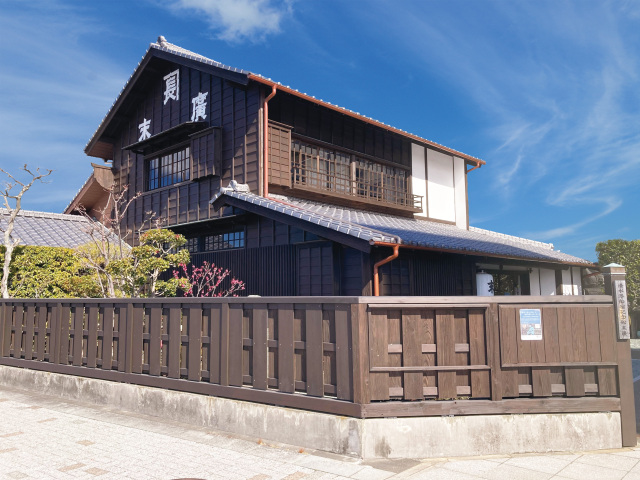
Mihoshi Shrine
This shrine, associated with the legend of the Feathered Robe, has watched over the Miho region since ancient times, and is said to house a fragment of the robe.It is also mentioned in the Engishiki, and was deeply revered by the imperial court of the time, as well as the military commanders of the Minamoto, Imagawa, Takeda, Toyotomi, and Tokugaw…
- Shimizu and Miho
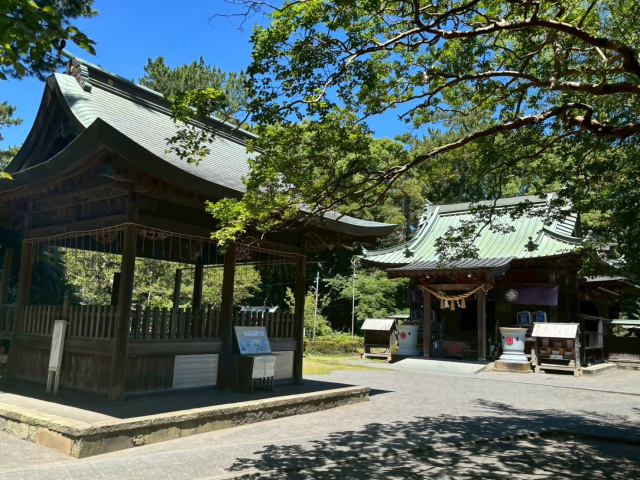
Shizuoka City Toro Museum
A museum integrated with the archaeological site located within the Tōro Ruins, a Special Historic Site. The permanent exhibition hall on the second floor displays valuable artifacts unearthed from the site, while the Yayoi Experience Exhibition Room on the first floor offers hands-on learning activities that allow visitors to experience the Yayo…
- Nihondaira, Kunō, and Tōro
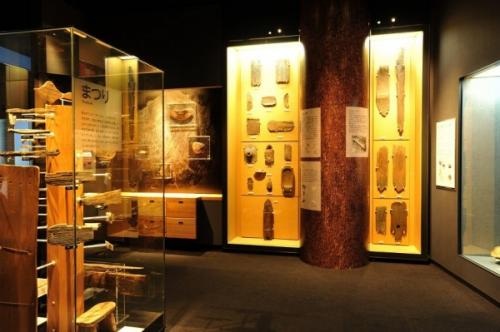
Shizuoka City Museum of History
From the Imagawa to Ieyasu: Experience the History of Sunpu Castle Town
A new hub of learning in Shizuoka City that blends historical exploration with hands-on experiences and cultural exchange.The permanent exhibition centers on Tokugawa Ieyasu, introducing the region’s rich historical narrative—from the splendid culture of the Imagawa clan, the Sengoku-period daimyo who raised Ieyasu, to the bustling li…
- Shizuoka City Center
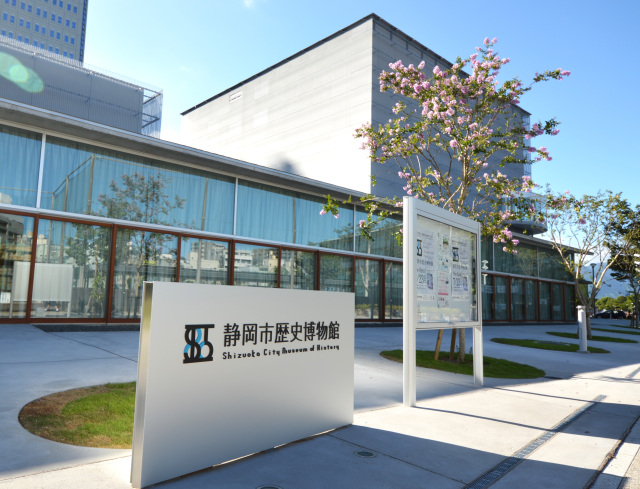
Baien Zen Temple
This ancient temple, founded during the Ashikaga period, belongs to the Myōshin-ji branch of the Rinzai school of Zen Buddhism. It houses the graves of Jirōchō, Ōmasa, and Komasa, and features a bronze statue of Jirōchō—the only one of its kind in Japan dedicated to a legendary outlaw.
- Shimizu and Miho
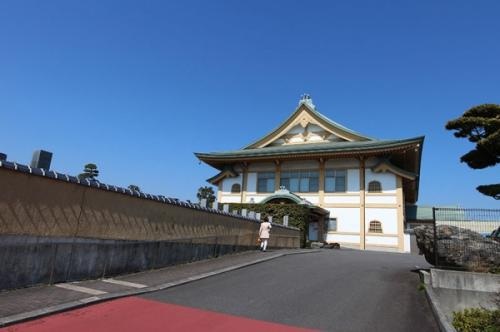
The Row of Houses in Utsunoya
Just before Utsunoya Pass, a quiet village stands with rows of houses that look just as they did in the Edo period. It was once a bustling hub for travelers. The shop signs hanging from the eaves of the houses and the cobblestone streets evoke the atmosphere of days gone by.
- Yōmune and Maruko
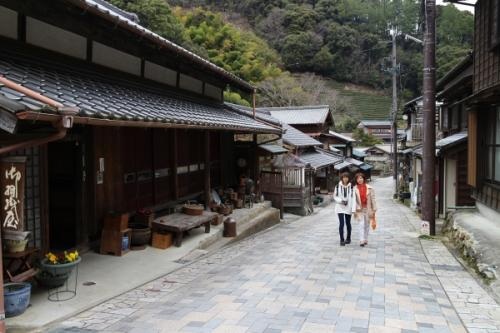
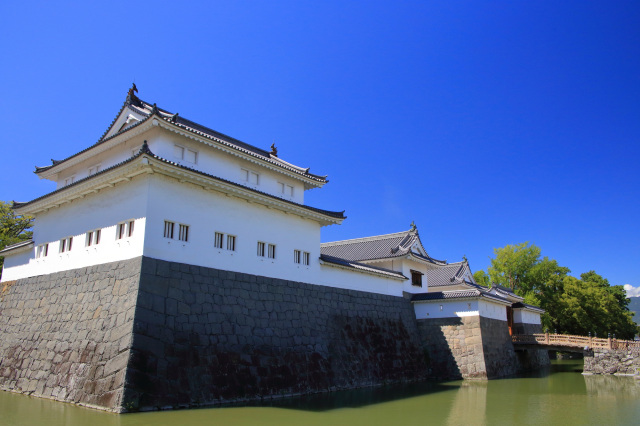
Sunpu Castle Park: Hitsujisaru Yagura
The Kon-yagura is a watchtower located in the southwest corner of the Second Bailey of Sunpu Castle. It was restored in 2014 using a traditional timber-framing techniqueusing a traditional timber-framing technique that does not employ nails in the structural framework, and was restored in 2014. By removing the floorboards and ceiling panels on ea…
- Shizuoka City Center
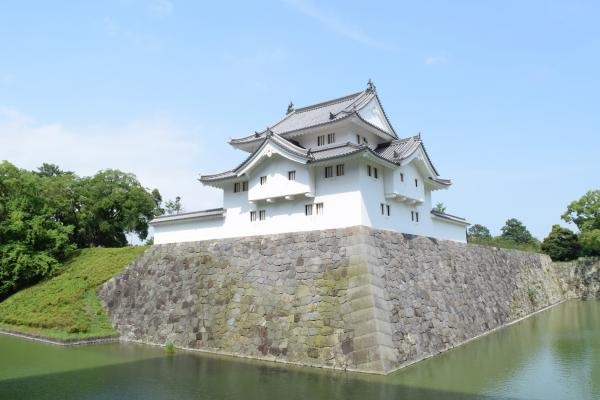
Togetsukō Shibayaji Temple
This temple is associated with Munenaga, a renga poet who served the Imagawa clan. Its borrowed-scenery garden, which skillfully incorporates views of Mount Tenchū and Maruko Fuji, has been designated a National Scenic Spot and Historic Site. The temple is also renowned for its exquisite moonlit scenery, with the moon rising above a bamboo grove …
- Yōmune and Maruko
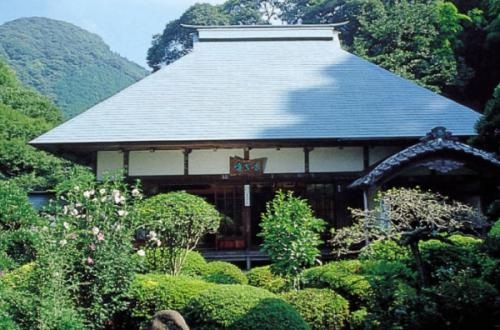
Rinzai-ji Temple
A temple linking the two distinguished families of the Imagawa and Tokugawa
This is the family temple of the Imagawa clan and a prestigious Zen temple where Tokugawa Ieyasu (then known as Takechiyo) was entrusted as a hostage during his childhood and devoted himself to his studies and martial arts.It is said that Taigen Sessai, the renowned military strategist of the Imagawa clan, recognized Ieyasu’s talent at an early a…
- Shizuoka City Center
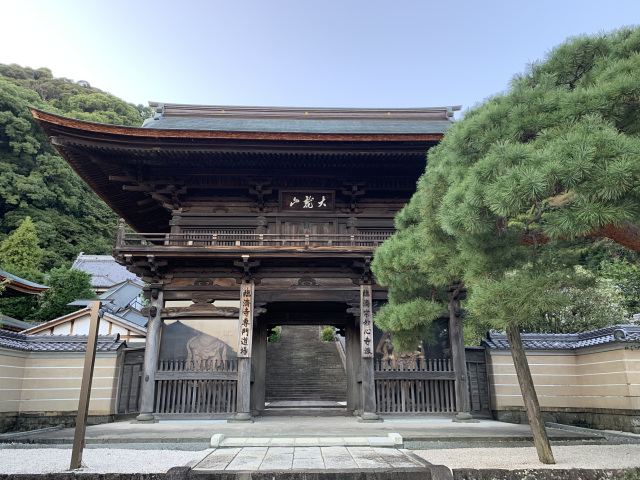
Maruko Castle Ruins
Maruko Castle was built during the Ōei era (1394–1428) by Saito Yasumoto, a vassal of the Imagawa clan, the shugo (provincial governors) of Suruga Province. It subsequently served as a castle guarding the western entrance to Suruga Fuchu, the Imagawa clan’s stronghold. After the Takeda clan invaded Suruga, it was used, along with Tanaka Castle, a…
- Yōmune and Maruko
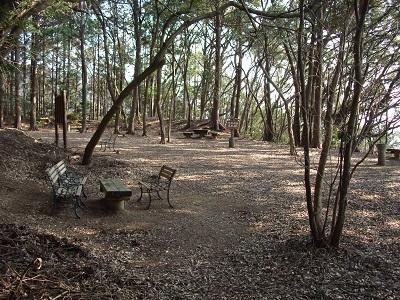
Site of the Sumpu Castle Keep
To gather academic data on the size, location, and state of preservation of the castle keep foundations, we conducted excavation surveys over a six-year period from fiscal year 2016 to fiscal year 2021. The surveys revealed castle keep foundations dating from two distinct periods—the late Sengoku period and the Edo period—as well as a…
- Shizuoka City Center
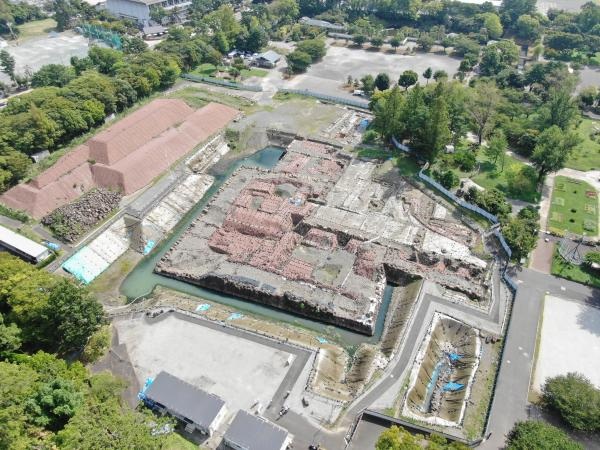
The Ocean Princess Sailing Ship
The "Ocean Princess" was built in Poland in 1974 and made a name for itself in the glamorous social scene of the Mediterranean, Aegean, and Caribbean as the "Lady of the Mediterranean." In addition to private charters for weddings, receptions, and birthday parties, the ship is also available for corporate social gatherings and…
- Shimizu and Miho
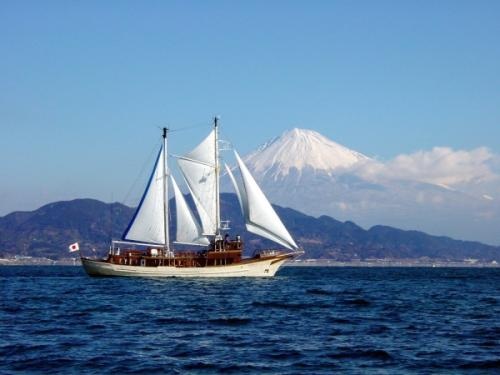
Ryukaji Temple
This temple was founded in 1660 (the early Edo period) by the High Priest Nikin and belongs to the Nichiren sect. Renowned as one of the most famous temples in the Tokai region, it is beloved by many for its magnificent views of the Kan-to area, and is the final resting place of the literary giant Takayama Chugyu, known as “Takiguchi Nyudo.…
- Nihondaira, Kunō, and Tōro
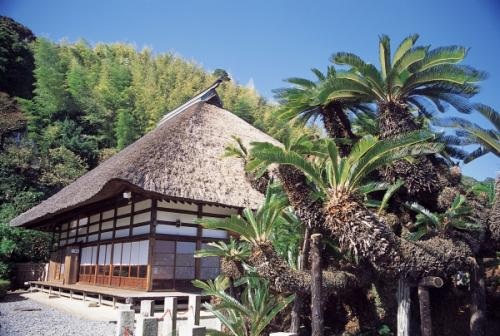
Zoshin-ji Temple
Located in Jihi, Aoi Ward, Shizuoka City, Zōzen-ji is an ancient Sōtō Zen temple known as the family temple of Lord Imagawa Ujichika, with Jizō Bosatsu as its principal object of worship. It is a pilgrimage site on the Suruga Seven Kannon and Suruga Thirty-Three Kannon pilgrimage routes, and was formerly the site of Jihi-ji, a Shingon temple.Zosh…
- Okuzizu
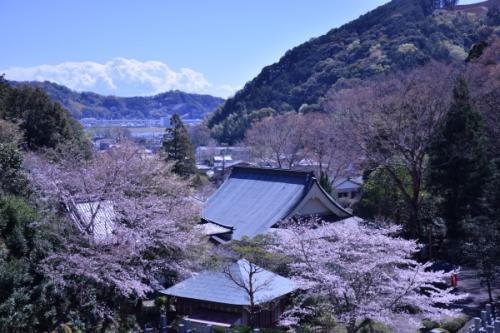
The House with the Sea Cucumber Walls
Houses with "sea cucumber walls" are a style commonly seen from the Meiji era through the early Shōwa era.The name comes from the fact that the walls, covered with flat roof tiles and filled with fish-shaped plaster in the gaps, resemble a sea cucumber.Within the Kamabara district, this style can be seen at two homes: the Sato and Yoshi…
- Shimizu and Miho
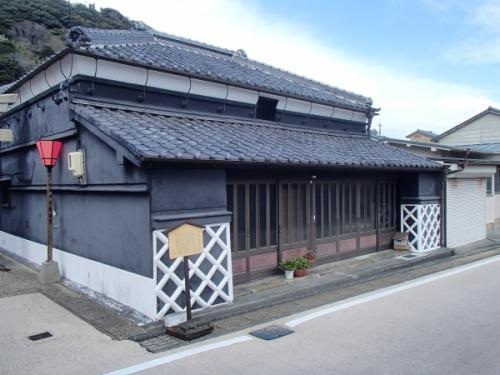
Former McKenzie Residence
Affectionately known as the former McKenzie Residence, this beautiful Western-style mansion with white walls stands along the coast. Completed in 1940, it served as the former home of the late Duncan J. McKenzie and the late Emily M. McKenzie and is registered as a National Tangible Cultural Property.The husband was a tea merchant and the wife a …
- Nihondaira, Kunō, and Tōro
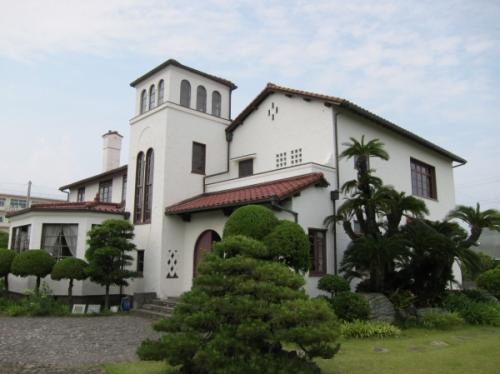
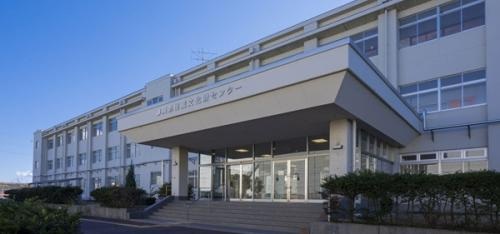
Shizuoka City Center for Buried Cultural Properties
The Shizuoka City Center for Buried Cultural Properties was built on the site of “Chōjasō,” the former villa of Kaoru Inoue, a statesman of the Meiji era, with the aim of organizing, preserving, and utilizing buried cultural properties. It opened in 2004. The Center conducts cataloging of artifacts unearthed during archaeological exc…
- Shimizu and Miho
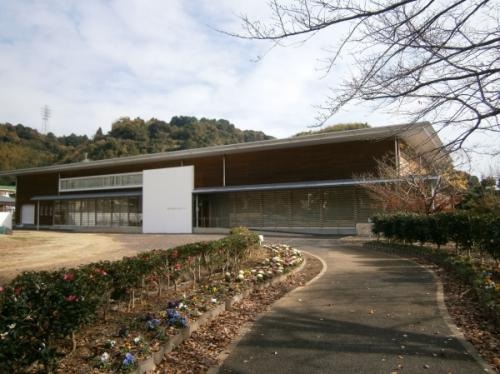
Tetsushuji Temple
This temple is one of the Suruga Seven Kannon (Abe Seven Kannon), and it is said that the renowned monk Gyoki enshrined a statue of the Thousand-Armed Kannon here during the Heian period. Originally located at the summit of Mount Kunō—where Kunōzan Tōshō-gū now stands—it was known as “Kunō-ji.” However, it was relocated to its current site by Tak…
- Nihondaira, Kunō, and Tōro
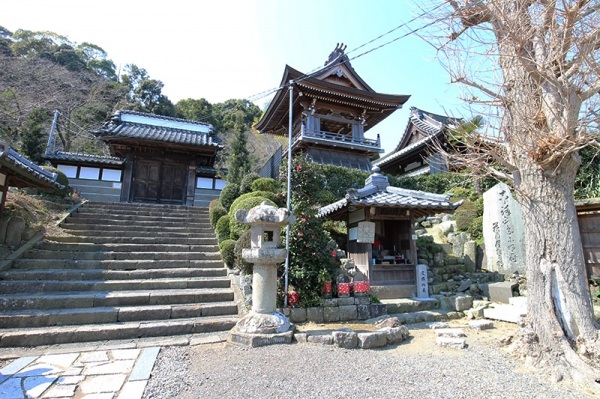
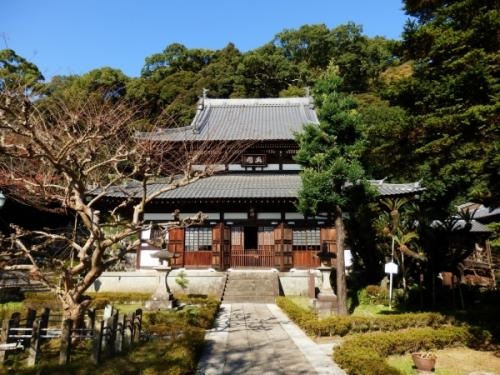
Seimiji Temple
Founded during the Nara period, this temple is one of the most renowned along the Tōkaidō. In addition to its garden, designated as a National Scenic Spot, and the "Reclining Dragon Plum" tree—said to have been grafted by Tokugawa Ieyasu—the temple houses numerous designated cultural properties, including a temple bell, the …
- Shimizu and Miho
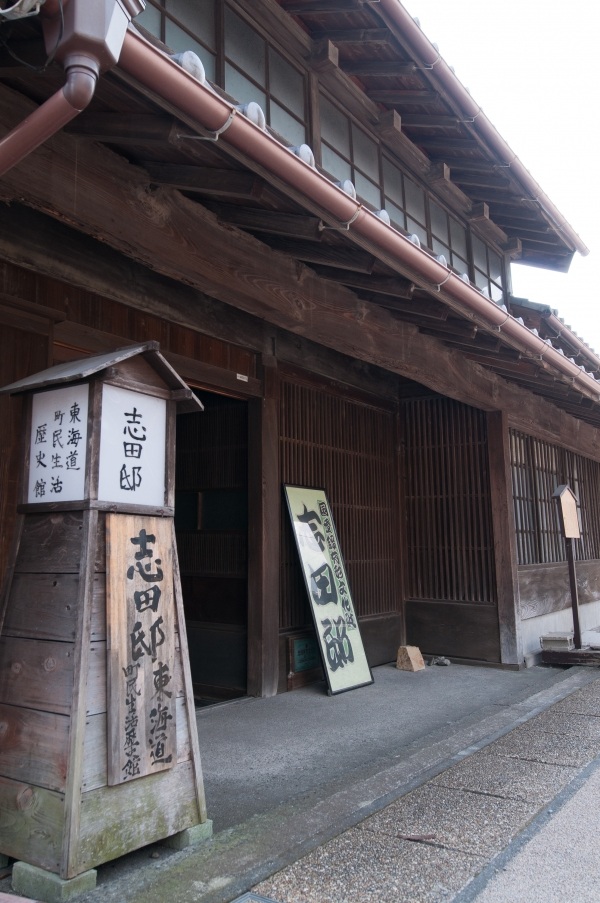
The Shida Residence
The Shida Residence is a traditional townhouse built around 1855, the year following the Great Ansei Earthquake, and is one of the oldest buildings in Kamabara.The exterior features a gabled roof with a flat gable end and tile roofing; traces of a large door can be seen at the entrance to the earthen-floored area. Furthermore, the shop room facin…
- Shimizu and Miho
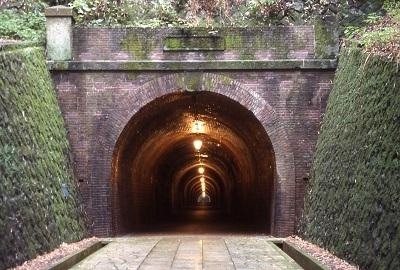
The Meiji Tunnel
The Meiji Tunnel, located on the Utsunoya Pass connecting Shizuoka City and Okabe-cho in Fujieda City, opened in 1876 (Meiji 9). Recognized as a valuable cultural heritage site from the Meiji era, it became the first active tunnel to be designated as a National Registered Tangible Cultural Property in 1997 (Heisei 9), under the name “Meiji Utsuno…
- Yōmune and Maruko
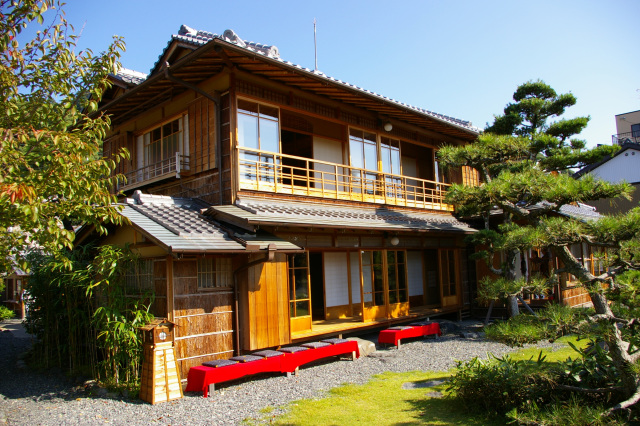
Okitsu Zagyosho Memorial Hall
The hideaway of the last member of the Genrō, which served as the setting for "Okitsu Mairi"
Prince Kinmochi Saionji, the last of the Genrō, supported the nation during the turbulent period from the Meiji to the Shōwa eras.This villa, "Zagyosō," was built for him to spend his later years, embodying his wish to "sit back, relax, and spend his days fishing."However, contrary to its name, political figures, including pri…
- Shimizu and Miho
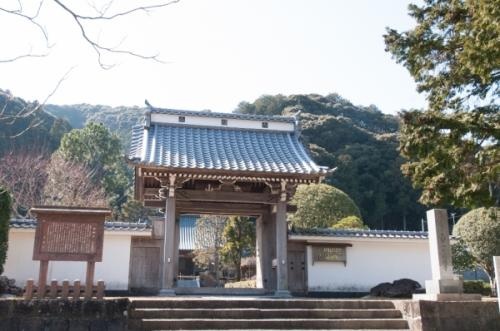
Seigan-ji Temple
Founded by Minamoto no Yoritomo, this temple was destroyed by fire during a war and later rebuilt by Takeda Shingen. It houses the grave of Katagiri Katsumoto, a retainer of the Toyotomi clan who defended the family to Tokugawa Ieyasu regarding the incident that sparked the Winter Campaign of Osaka. From May to July, visitors can observe the bree…
- Yōmune and Maruko
Rest Area (Hatago Izumiya)
The Rest House (Hatago Izumiya) was a place where travelers on the Tōkaidō Road stayed during the Edo period.When it was the Izumiya Inn, it was a single building. However, today the four-ken section on the left serves as a private residence, while the section on the right, just under two ken, is open to the public as a rest area.The building was…
- Shimizu and Miho
Shizuoka Prefectural Center for Buried Cultural Properties
The Shizuoka Prefectural Center for Buried Cultural Properties conducts archaeological excavations as a last resort to protect archaeological sites that cannot be preserved due to public works projects undertaken by the national government, the prefecture, and other entities. The Center also conveys the importance of cultural property preservatio…
- Shimizu and Miho